

Four Years, Same Winner
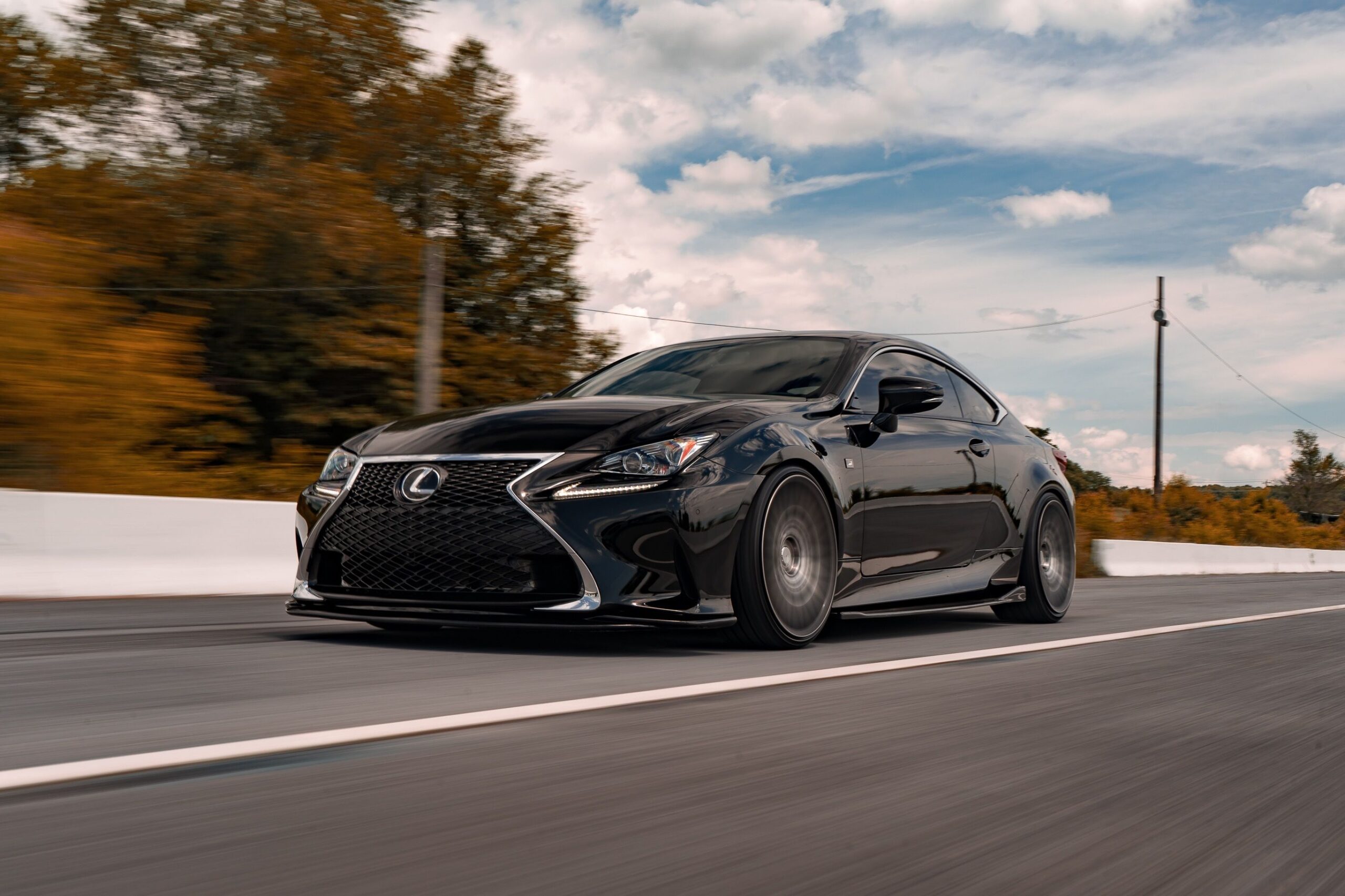
Lexus owners reported fewer problems than owners of any other premium brand for the fourth consecutive year, according to J.D. Power’s 2026 U.S. Vehicle Dependability Study. The brand posted a score of 151 problems per 100 vehicles (PP100) — lower is better in this study — putting real distance between itself and the next-closest premium competitor. On the mass-market side, Buick took the top spot for the second straight year at 160 PP100, edging out MINI (168) and Chevrolet (178). Meanwhile the industry as a whole got slightly worse: the average across all brands climbed to 204 PP100, up two points from 2025 and the highest problem count recorded since the study was redesigned in 2022. If you’re shopping for a vehicle you plan to keep past the warranty period, this is exactly the kind of study worth paying attention to.
What “Dependability” Actually Measures
Unlike a quality study that captures glitches in a car’s first 90 days, the Vehicle Dependability Study surveys owners of three-year-old vehicles — specifically 2023 model-year cars and trucks — after they’ve lived with the vehicle long enough for real mechanical, electrical, and build-quality issues to surface. J.D. Power collected responses from 33,268 original owners between December 2024 and November 2025, covering nine major problem categories and 184 specific issues, in the study’s 37th year. That long track record and large sample size is a big part of why the VDS carries weight with shoppers hunting for a used vehicle that won’t turn into a money pit three years in.
The Full Premium Podium
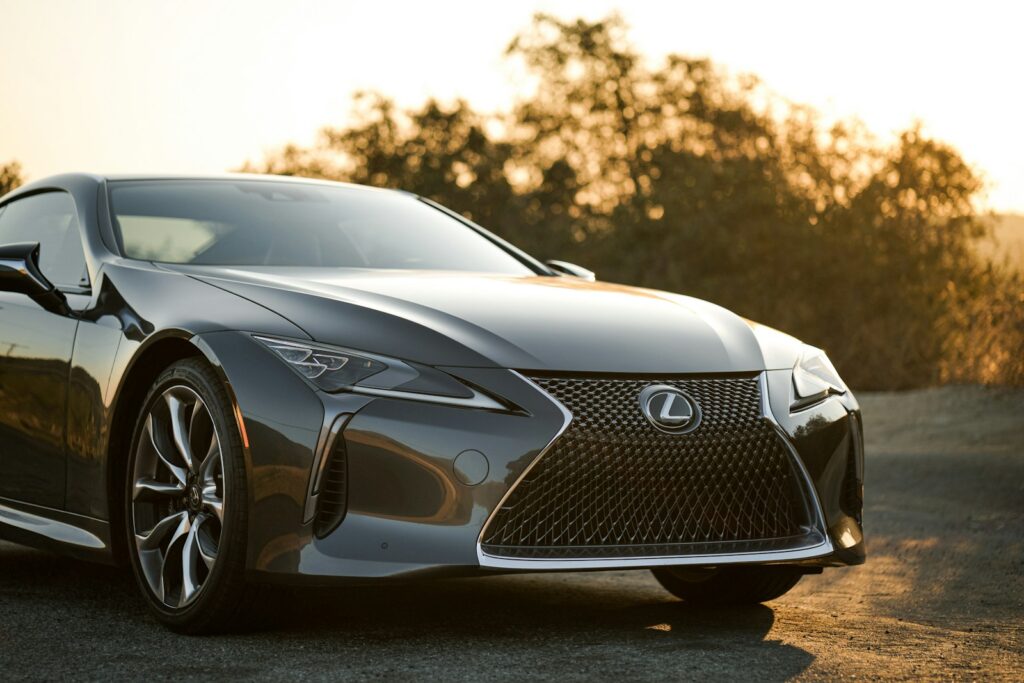
Lexus’s 151 PP100 wasn’t just a narrow win. Behind it in the 2026 VDS premium rankings:
- Lexus — 151 PP100 (1st, 4th straight year)
- Cadillac — 175 PP100
- Porsche — 182 PP100
That’s a 24-point gap between Lexus and second-place Cadillac — a meaningful spread in a metric where a few points can separate an entire brand ranking.
The Mass-Market Field
Buick’s repeat win came in tighter than Lexus’s, but it still held the top spot over a deep field of competitors. The mass-market podium from the 2026 study:
- Buick — 160 PP100 (1st, 2nd straight year)
- MINI — 168 PP100
- Chevrolet — 178 PP100
Buick beating out MINI and Chevrolet for a second year running is worth noting for anyone who assumes “dependable” and “domestic mass-market brand” don’t belong in the same sentence — the data says otherwise, at least for this particular brand.
Why the Industry Average Went the Wrong Way
The headline number that should give shoppers pause is the industry-wide average climbing to 204 PP100, the worst mark since J.D. Power overhauled the study’s methodology in 2022. That’s not necessarily a sign that cars are being built worse than they were three years ago — it partly reflects a survey that has widened what it counts as a “problem,” folding in more software, driver-assistance, and infotainment complaints that didn’t used to register as mechanical dependability issues. Still, a rising average means the gap between winners like Lexus and Buick and the rest of the pack is becoming more meaningful, not less, for anyone comparing brands before a purchase.
Who Else Stood Out
Beyond the top-line brand winners, J.D. Power’s release credited Toyota Motor Corporation with the most model-level dependability awards this year, at eight, with General Motors picking up four. That’s a useful reminder that brand-level averages can mask real variation between individual models — a brand’s overall PP100 score is a good starting signal, but it’s still worth checking how a specific model you’re considering performed if that level of detail is available.
What This Means If You’re Shopping Used
The practical takeaway is straightforward. If you’re buying a three-year-old vehicle and want the best odds of avoiding repeat trips to the shop, the VDS data points toward Lexus in the premium segment and Buick among mass-market brands as the safer statistical bets right now. That doesn’t guarantee any individual car will be trouble-free, and it doesn’t mean every brand near the bottom of the list is a bad choice. But when a brand wins this study four years running, it’s not noise — it’s a pattern backed by tens of thousands of real owners reporting on cars they’ve actually lived with.
The Bigger Question for New-Car Shoppers
There’s also a forward-looking angle here. A three-year-old dependability score reflects engineering and build decisions a brand made years before those cars ever reached a driveway, so today’s winners were shaped by choices made well before the current model lineup existed. If a brand has stacked up multiple consecutive VDS wins, as Lexus and now Buick both have, it suggests the consistency runs deeper than one strong model year — which matters if you’re weighing a brand-new purchase against how it’s likely to hold up once the factory warranty runs out.