
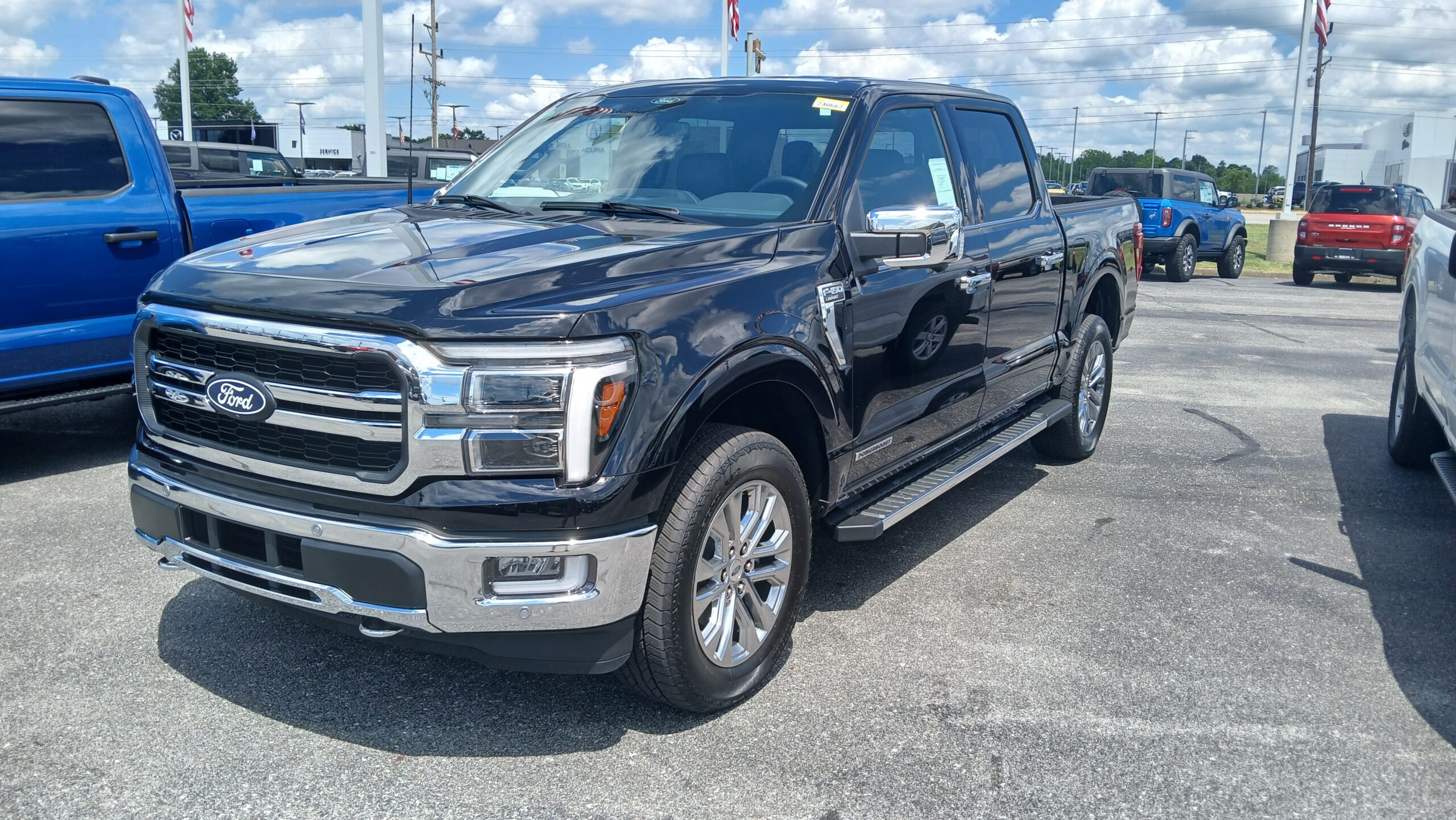

Ford Tops the Mainstream Field
Ford finished as the highest-ranked mass-market brand in J.D. Power’s 2026 U.S. Initial Quality Study, posting a score of 152 problems per 100 vehicles (PP100) — the lowest, and therefore best, mark of any non-premium automaker. Nissan came in second at 156 PP100, with Buick close behind at 162. But the bigger story in this year’s study isn’t any single brand’s ranking — it’s what happened industry-wide. The average new vehicle across every brand posted 175 PP100 in 2026, down from 192 the year before, which J.D. Power called the best year-over-year quality improvement the industry has posted since 1997, and the fourth-best result in the study’s 40-year history. That’s not a marginal blip. It’s the clearest signal in nearly three decades that new-car quality across the board is getting meaningfully better, not worse.
What “Initial Quality” Actually Tracks
The IQS is a different measurement than a long-term dependability study — it captures problems owners experience in their first 90 days with a brand-new vehicle, not issues that surface years down the road. This year’s edition surveyed 78,514 owners of new 2026 model-year vehicles, and for the first time layered in repair data from hundreds of thousands of real-world service visits alongside the traditional owner survey. The study asks 227 Voice of the Customer questions spanning 10 categories, including infotainment, exterior, driving assistance, interior, seats, powertrain, driving experience, climate, features/controls/displays, and unspecified repairs. That breadth is why IQS results tend to move the needle on which brands automotive shoppers trust straight out of the dealership lot.
The Mass-Market Podium
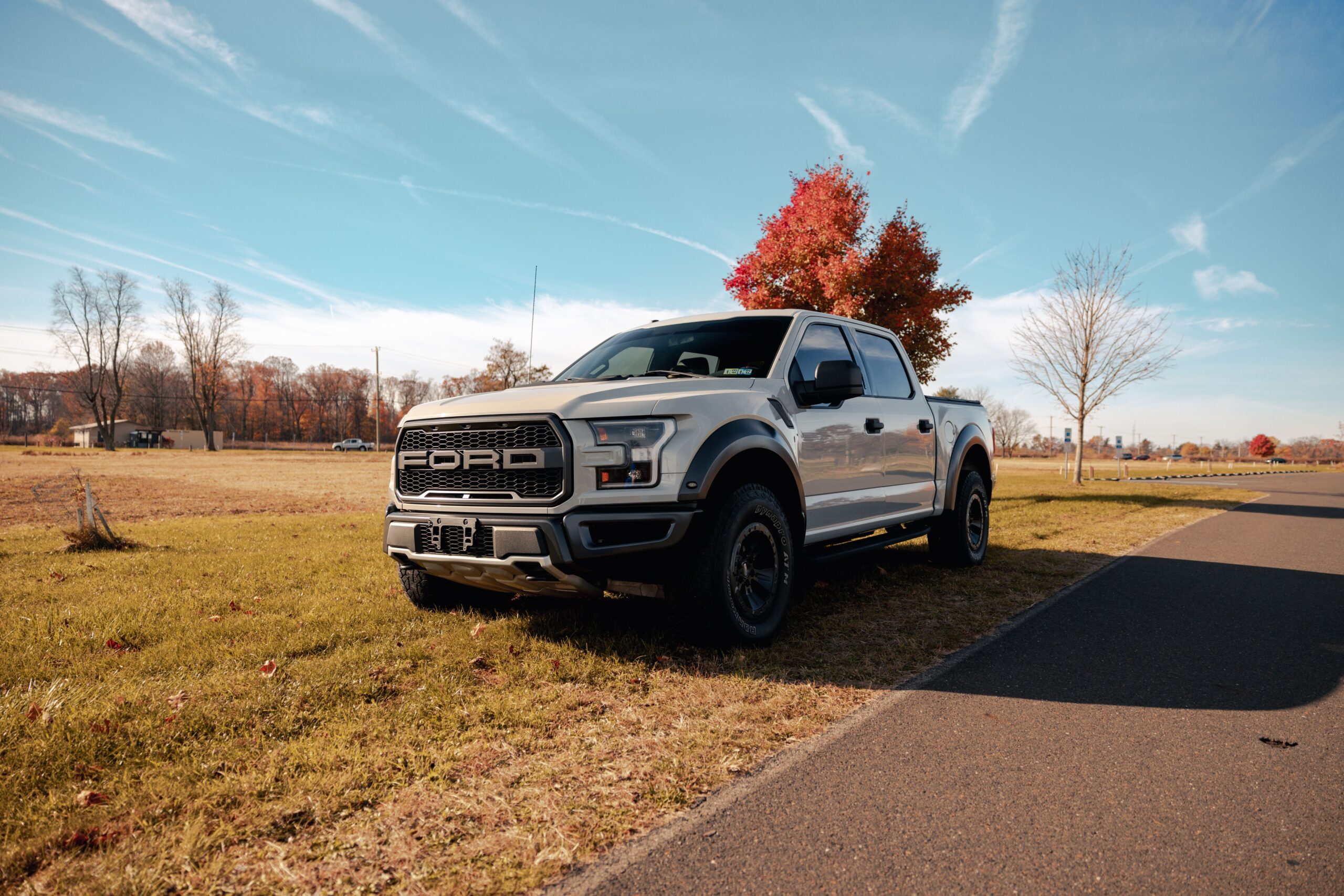
Ford’s win over a competitive mainstream field, per the 2026 study:
- Ford — 152 PP100 (1st among mass-market brands)
- Nissan — 156 PP100
- Buick — 162 PP100
A 10-point spread between first and third place is tight by IQS standards, which makes Ford’s win a genuinely competitive result rather than a runaway.
Premium Brands Played by Their Own Rules
On the premium side, Porsche led all brands in the entire study — mass-market or premium — with a score of 138 PP100, and the 2026 IQS named the Porsche 911 the single best-scoring model overall at 110 PP100. Premium brands as a group averaged 169 PP100 versus 177 PP100 for mass-market brands — a real gap, but a narrower one than in past years, another sign the industry-wide improvement wasn’t confined to any one price tier.
Where the Improvement Came From — and Where It Didn’t
Automakers didn’t get better at everything equally. According to the study, infotainment problems actually increased year-over-year, and the primary driver was connectivity issues with Android Auto and Apple CarPlay — the kind of frustration that has nothing to do with engines or transmissions and everything to do with a car’s software stack talking to your phone. That’s a useful nuance for shoppers: the industry’s big quality jump is real, but it’s concentrated more in mechanical and build-quality categories than in the infotainment systems that tend to generate the loudest day-one complaints.
Why This Matters If You’re Buying New
A 17-point drop in industry average PP100 in a single year is a big deal in an industry where quality scores usually crawl in either direction by a point or two annually. If you’re cross-shopping mass-market trucks or sedans, Ford’s IQS win is a legitimate data point in its favor — it means owners of Ford’s newest vehicles are reporting fewer problems in the critical first 90 days than owners of almost any other mainstream brand. But the more important headline may be the industry-wide trend underneath it: whatever automakers did differently this year, from tighter manufacturing tolerances to the added visibility from real-world repair data, it’s translating into fewer problems for buyers across nearly every brand on the list, not just the ones at the top.
How to Actually Use a Study Like This
Initial quality scores are most useful as a comparison tool, not a verdict on any single vehicle. A 152 PP100 score means Ford owners reported roughly 1.5 problems per vehicle on average in the first 90 days, which sounds abstract until you compare it against a brand posting 190 or 200 — at that point the gap represents a real, measurable difference in how often owners are noticing something wrong right out of the gate. If you’re deciding between two or three mass-market brands that are otherwise close on price and features, initial quality is a legitimate tiebreaker, especially paired with a brand’s longer-term dependability track record from separate studies covering vehicles further into ownership.
The Takeaway for This Model Year
Put the two headline numbers side by side and the story of the 2026 model year comes into focus: Ford earned bragging rights as the best mass-market brand for initial quality, while the industry as a whole delivered its best quality gain in almost 30 years. Individually, either fact would be a solid data point for a car shopper. Together, they suggest 2026 is a genuinely strong year to be buying new, regardless of which specific brand ends up in your driveway.