
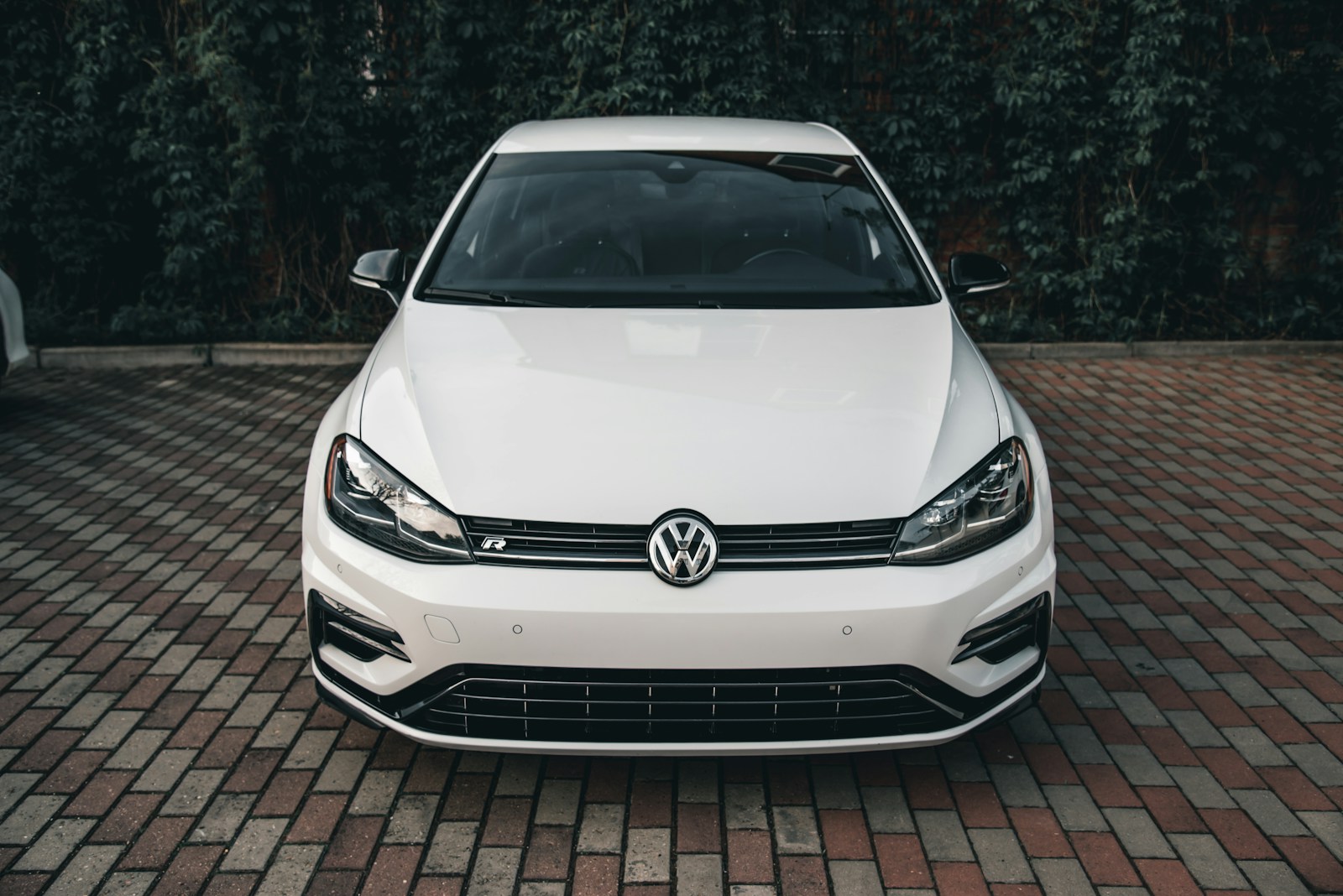

The Hot Hatch Everyone Wrote Off Is Having a Moment
78% of the people currently shopping for a Volkswagen Golf GTI VR6 are under 50 years old, and that single stat says more about where this market is headed than any price chart could. The 1995-1998 Golf GTI VR6, the third-generation GTI, just landed on Hagerty’s 2026 Bull Market List with a condition #2 value of $20,000, and the buyer data behind it is what makes this one worth paying attention to. Hagerty’s own numbers show “the 50-and-under crowd represents a whopping 78% of interested buyers,” according to the 2026 Bull Market List. That’s not a car being chased by nostalgic Boomers reliving 1997. That’s a younger buyer base actively deciding this specific GTI is the one worth owning, ahead of newer, more common generations that are objectively easier to find parts for.
What Made the VR6 Different
The headline feature of this generation was the engine, not the badge. Where earlier GTIs and most of the hot hatches competing with them relied on four-cylinders, Volkswagen dropped a 2.8-liter, 12-valve six-cylinder into the third-generation GTI, according to the Bull Market List’s description of the car. That VR6 layout, a narrow-angle six that let VW cram a genuine six-cylinder into an engine bay designed for a four, gave this GTI a sound and a mid-range pull that none of its four-cylinder rivals could match at the time. It’s the kind of engineering party trick that reads as a footnote today and read as genuinely clever in the mid-1990s, and it’s a huge part of why this specific generation has a fan base that four-cylinder Mk3 GTIs and even later, faster GTIs simply don’t inspire in the same way.
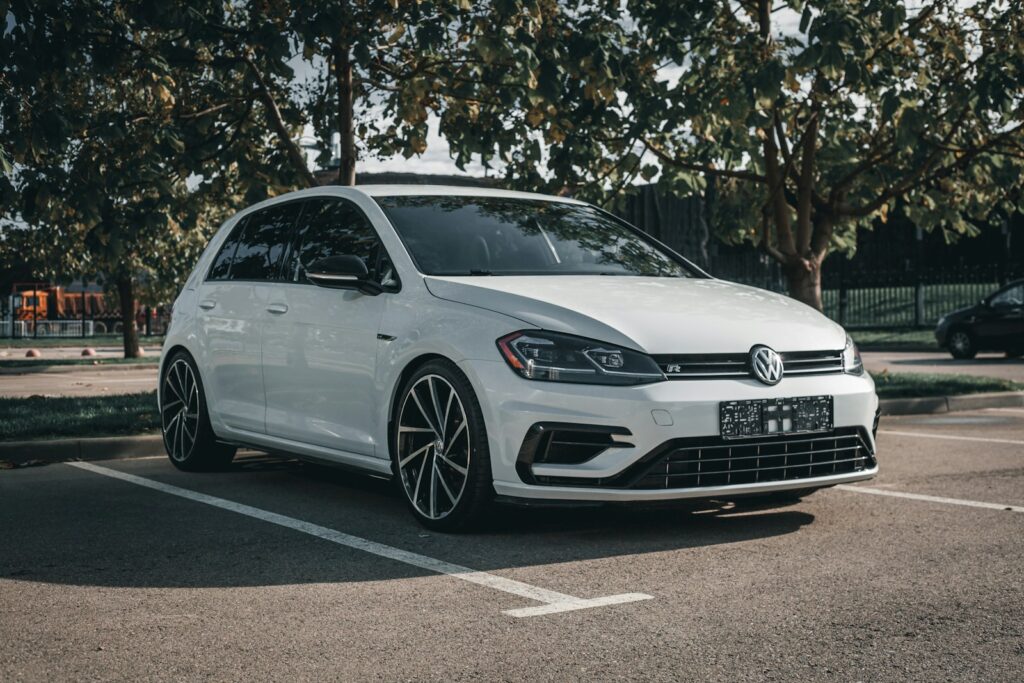
Why This Generation, Specifically
Here’s the part that matters if you’re cross-shopping generations: this era of GTI has spent years being the unloved middle child of the lineup. The Mk1 gets the credit for inventing the hot-hatch formula, and later generations get credit for being faster, more refined, and easier to live with. The Mk3 VR6 got stuck in between, dismissed by enthusiasts who preferred the raw simplicity of the original and by anyone chasing outright pace who moved on to newer turbocharged GTIs instead. Hagerty’s own reviewers have made a version of this argument before, revisiting the Mk3-era GTI and concluding it deserves to be judged “for what it is, not what it *was*,” per Hagerty’s own reassessment of the car. That’s exactly the kind of reputation rehabilitation that tends to precede a values run, and the Bull Market List suggests it’s already underway.
Cheaper Than a Mk1 or Mk2, and That’s the Opportunity
Part of what’s pulling younger buyers toward this specific GTI is straightforward: it’s still the value play in its own family tree. Earlier Mk1 and Mk2 GTIs, celebrated as the originators of the formula, have been appreciating for years and increasingly command prices that put them out of reach for a first-time collector car buyer. The Mk3 VR6, sitting at a $20,000 condition #2 valuation on the 2026 Bull Market List, offers a genuinely different driving experience from either of its more famous predecessors thanks to that six-cylinder engine, without demanding Mk1 or Mk2 money to get into one. For a younger enthusiast who grew up hearing about the GTI legend but couldn’t afford the cars that built it, the VR6 is the version that’s actually attainable right now.
The Window Before It Closes
None of this happens in a vacuum. Every car on Hagerty’s 2026 Bull Market List was chosen because Hagerty’s Automotive Intelligence team, drawing on public and private sale results alongside its own insurance data, expects it to appreciate over the next year. A buyer base that skews 78% under 50 isn’t a market segment that’s about to lose interest. It’s one that’s just getting started, still in its prime earning years, and increasingly willing to spend real money on the cars it grew up wanting. If you’ve been holding out for a clean, unmolested VR6 because you assumed it was still a cheap used car rather than an appreciating one, this is your signal that the assumption is running out of runway. Fewer good ones get built with every passing year of daily-driver duty, salt-belt winters, and teenage owners who bought them cheap and drove them hard. The clean ones left aren’t getting any more common, and buyers who’ve noticed that aren’t waiting around.