
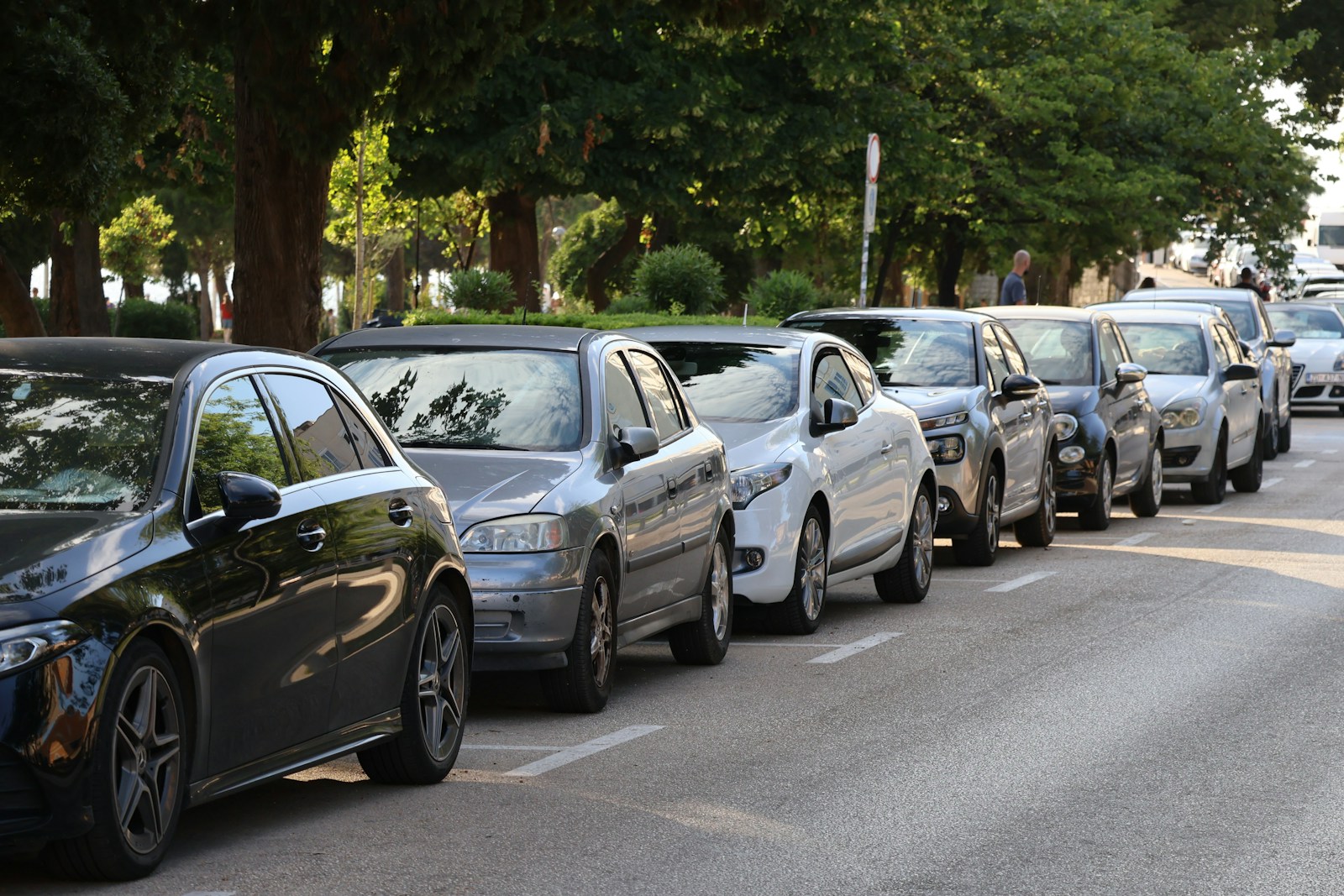

Forty-five vehicles earned a 2026 Top Safety Pick+ award from the Insurance Institute for Highway Safety, the group’s highest crash-protection designation, and more than a dozen of them start under $30,000. The cheapest of the bunch is the Kia K4, a compact sedan that starts at $22,290 and still clears every one of IIHS’s toughest crash and crash-avoidance tests. Sixty-three vehicles earned some form of award this year, up from 48 the year before, and the institute tightened its criteria rather than loosening them to hit that number. So the old assumption that real crash protection lives only in loaded luxury trims doesn’t hold up against the actual data. If you’re cross-shopping on a budget, the list of what qualified is worth knowing before you set foot on a lot.
What It Actually Takes to Earn a Top Safety Pick+ in 2026
IIHS didn’t just hand out more awards this year — it raised the floor. For 2026, both Top Safety Pick and Top Safety Pick+ now require a good rating in the moderate overlap front crash test, a standard that used to apply only to the higher tier. To land the Plus designation specifically, a vehicle still needs a good rating in the small overlap front test on both the driver and passenger sides, good side-crash protection, and acceptable or good headlights across every trim, not just the top one. On top of that, IIHS added a tougher vehicle-to-vehicle front crash prevention evaluation and now requires good-rated pedestrian crash prevention, with the qualifying systems built in as standard equipment rather than sold as an option package. That last point matters most for anyone shopping by price: a vehicle only earns credit for safety tech that comes on every version of the car, not the one you’d have to pay extra to get.
The Sub-$30K Cars That Actually Made the List
Here’s where the math gets interesting for anyone working with a real budget. Several mainstream sedans and small SUVs cleared the bar alongside far pricier metal:
- Kia K4 — $22,290, the least expensive Top Safety Pick+ winner overall
- Nissan Sentra — $22,600, per Nissan’s own 2026 pricing announcement
- Mazda3 sedan — $24,650, per Mazda’s official pricing release
- Hyundai Kona — $25,500, the small SUV entry on IIHS’s list
- Honda HR-V — $26,200, per Honda’s own pricing and EPA release
Why Minivans and Small Trucks Got Shut Out Entirely
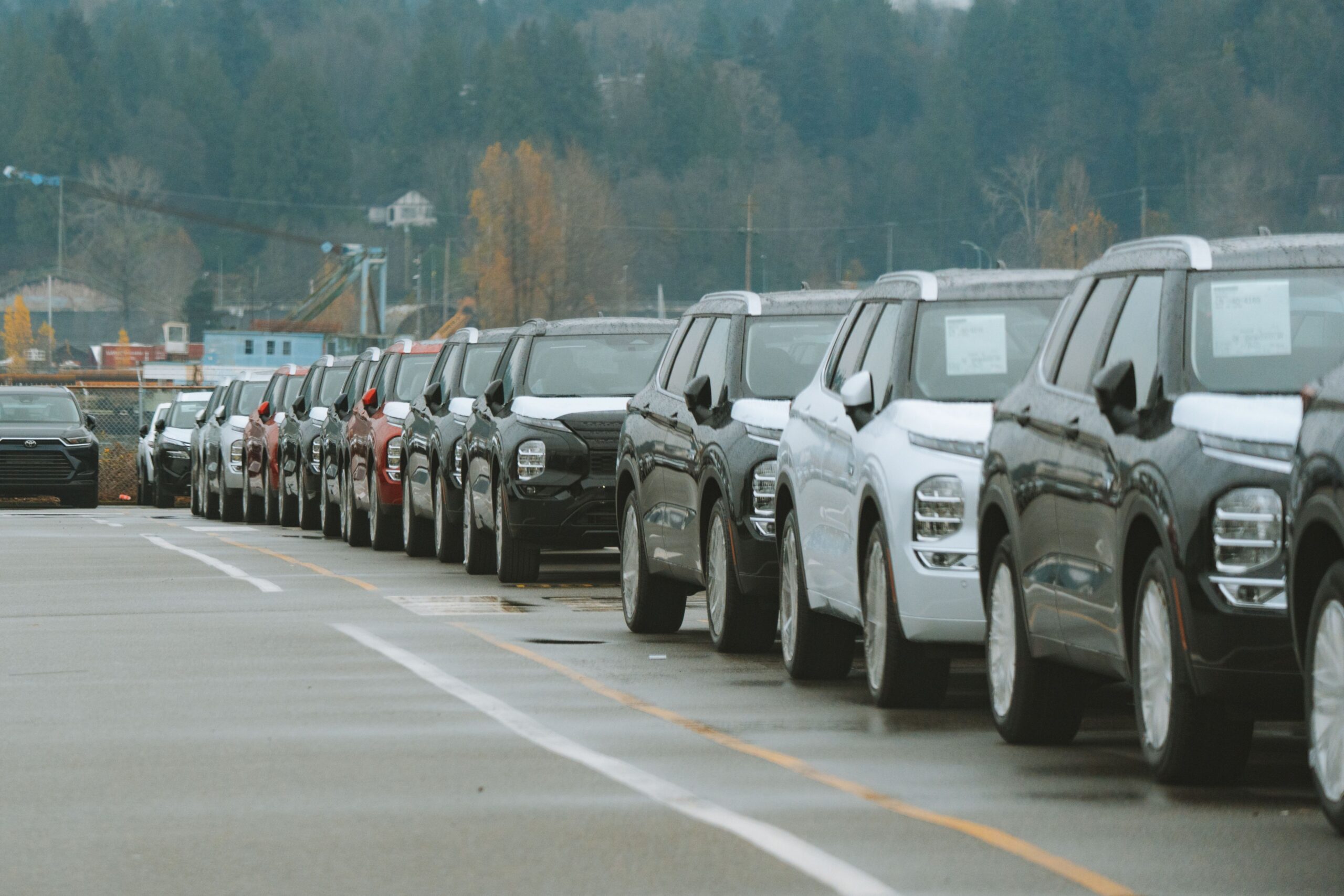
The flip side of a tougher rulebook is a shorter list in certain segments. Minicars, minivans, and small pickup trucks earned zero awards of either tier this year. Only two full-size pickups qualified for Top Safety Pick+ at all: the Tesla Cybertruck and the Toyota Tundra crew cab. IIHS president David Harkey was blunt about where the gap sits, saying the group is “asking automakers to make excellent protection for back seat passengers the norm” and calling it “disappointing that minivans continue to struggle to provide the best protection for back passengers,” in the institute’s own 2026 awards release. If you’re shopping in either of those body styles specifically for the safety badge, this year’s list simply won’t have an entry for you.
What This Means If You’re Actually Shopping
The takeaway isn’t that every cheap car is safe — it’s that safety and price aren’t linked the way they used to be, provided you check the specific trim. IIHS testing and award status apply to the exact configuration tested, and a Top Safety Pick+ badge only holds if the crash-avoidance tech that earned it — standard automatic emergency braking, standard pedestrian detection — actually comes on the trim you’re about to sign for. It’s worth pulling up the full current winners list before you negotiate, because trim-level equipment can quietly knock a car off the list even when the nameplate itself made the cut. IIHS also notes that heavier vehicles generally offer more crash protection than lighter ones in a mismatched collision, so the award doesn’t erase physics — it just tells you which lighter, cheaper vehicles are doing the most with what they’ve got. For a shopper trying to balance a real budget against real crash protection, that’s a more useful signal than trim badges or sticker price alone.
How to Use This List Before You Buy
Treat the award as a starting filter, not a final answer. Pull the specific trim you’re considering and check it against IIHS’s own database rather than assuming the base model and the loaded model tested identically — automakers sometimes submit a mid-tier trim for testing and then sell a stripped-down base version with different headlights or without the standard front crash prevention that earned the badge in the first place. It’s also worth checking whether the price you’re quoted matches the manufacturer’s national MSRP, since destination fees, regional pricing, and dealer add-ons can push a $22,290 car well past $25,000 before you’ve added a single option. None of that changes the core finding: a dozen-plus mainstream, sub-$30,000 vehicles now carry the same crash-protection credentials as cars costing twice as much, and for the first time in years, price and safety rating aren’t pulling in opposite directions.