
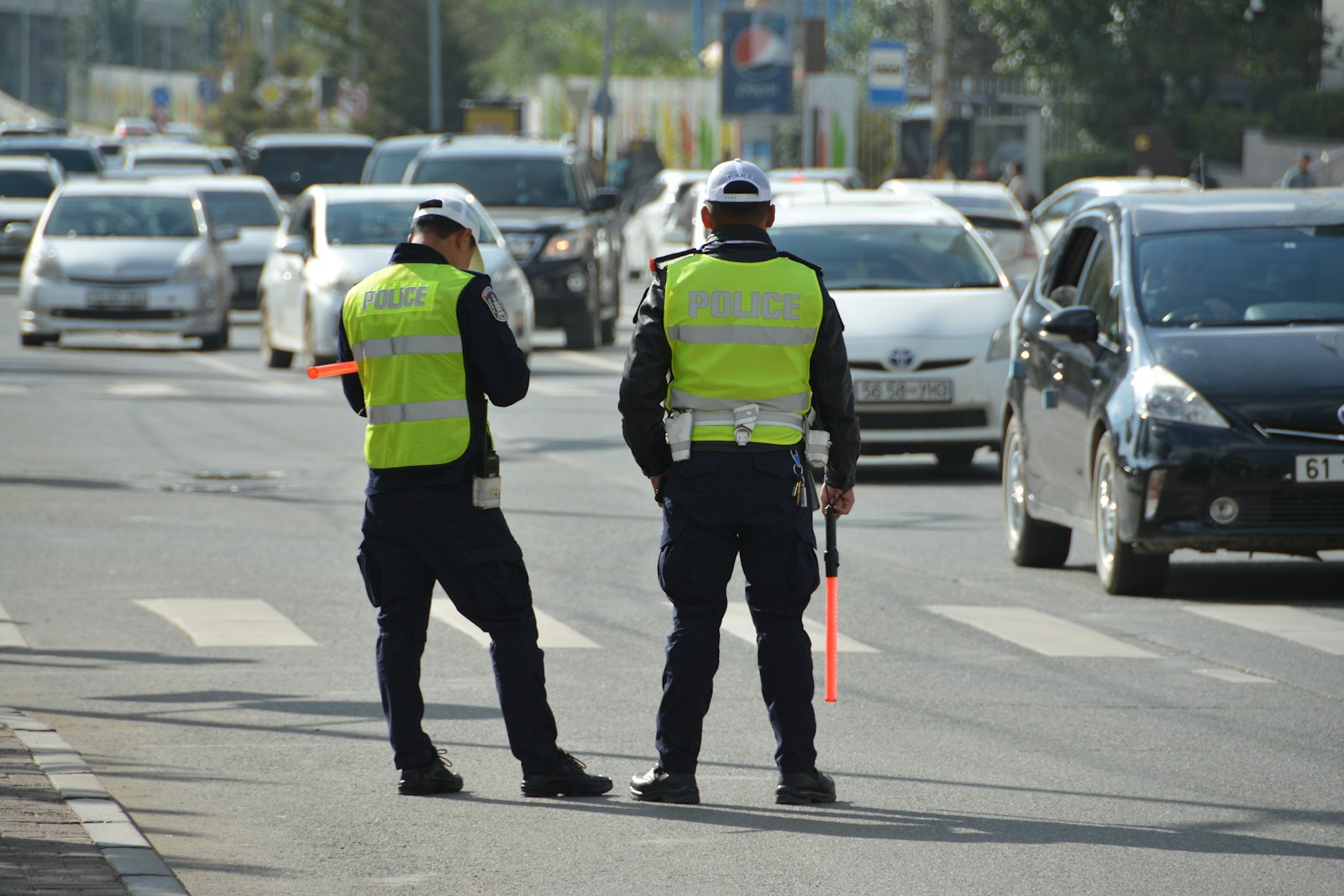

Three documents. That’s the entire list of what a police officer can legally require you to hand over during a routine traffic stop, according to the American Civil Liberties Union’s own know-your-rights guidance: your driver’s license, your registration, and proof of insurance. Everything past those three items, including consenting to a search of your car, answering questions about where you’re headed or where you’ve been, or letting an officer look through your glovebox, is something you’re legally allowed to decline, regardless of how the request is worded. That gap between what’s required and what’s simply asked for is where most confusion during a stop actually lives. The ACLU’s guidance walks through both sides of that line, along with the safety steps it recommends for the stop itself. None of this is legal advice for any specific encounter — it’s the organization’s general explanation of rights that apply broadly, and any real situation can turn on facts a general guide can’t account for.
What You’re Actually Required to Provide
The ACLU’s guidance is direct on this point: when an officer asks, you’re required to produce your driver’s license, registration, and proof of insurance. That’s the full extent of the legal obligation on documents. The organization also notes that both drivers and passengers retain the right to remain silent beyond that, meaning you don’t have to answer questions about your travel, your immigration status, or anything else an officer might ask conversationally during the stop. Declining to answer isn’t the same as being uncooperative in a legal sense, even if it can feel that way in the moment; the ACLU’s own know-your-rights page frames staying calm and stating your intentions clearly — “I am going to remain silent” — as the recommended way to exercise that right without escalating the encounter.
What You Can Say No To
Vehicle searches are where the ACLU’s guidance draws its clearest distinction between what an officer can request and what you’re obligated to allow. Per the organization’s own guidance, “if an officer or immigration agent asks to look inside your car, you can refuse to consent to the search.” That said, the same guidance is clear about the limit on that right: “if police believe your car contains evidence of a crime, your car can be searched without your consent.” In other words, declining consent doesn’t guarantee a search won’t happen; it just means you haven’t agreed to it, which matters for how the stop can be handled afterward. The guidance treats this as a calm, factual statement rather than a confrontation: you can say you don’t consent to a search while still complying with the officer’s other instructions.

Passengers Have Their Own Rights, Separate From the Driver’s
The ACLU’s guidance is specific that a traffic stop isn’t just about the person behind the wheel. “Both drivers and passengers have the right to remain silent,” according to the organization’s own materials, and passengers specifically retain the right to ask whether they’re free to leave the scene. That question matters because the answer determines what happens next: if an officer confirms a passenger isn’t being detained, that passenger is free to exit the situation. The same guidance applies regardless of how many people are in the vehicle: each person retains their own individual rights during the stop, independent of what the driver says or does.
How the ACLU Recommends Handling the Stop Itself
Beyond the legal questions, the ACLU’s guidance includes specific, practical steps for the moment a stop begins. Its recommendation: stop the car in a safe location as quickly as possible, turn off the engine, turn on the interior light if it’s dark, roll the window down partway, and keep your hands visible on the steering wheel. The organization frames this as reducing ambiguity for everyone involved during an encounter that can escalate quickly regardless of intent on either side. Its broader guidance is also blunt that de-escalation isn’t solely the driver’s job — the organization states plainly that “the burden of de-escalation does not fall on private citizens — it falls on police officers” — while still acknowledging that staying calm and cooperative on procedural matters, like handing over the three required documents, tends to keep an already tense situation from getting worse.
A General Guide, Not Advice for Your Specific Situation
All of this reflects the ACLU’s own general explanation of rights that apply broadly to traffic stops, not legal advice tailored to any individual’s circumstances. Real encounters involve variables — state-specific laws, an officer’s stated reason for the stop, what’s visible in plain view — that a general guide can’t weigh for you in the moment. If you’re facing a specific legal question arising from an actual stop, the appropriate next step is talking to an attorney who can look at the particular facts, not relying on a general rights summary to predict how any one encounter should or will unfold.