
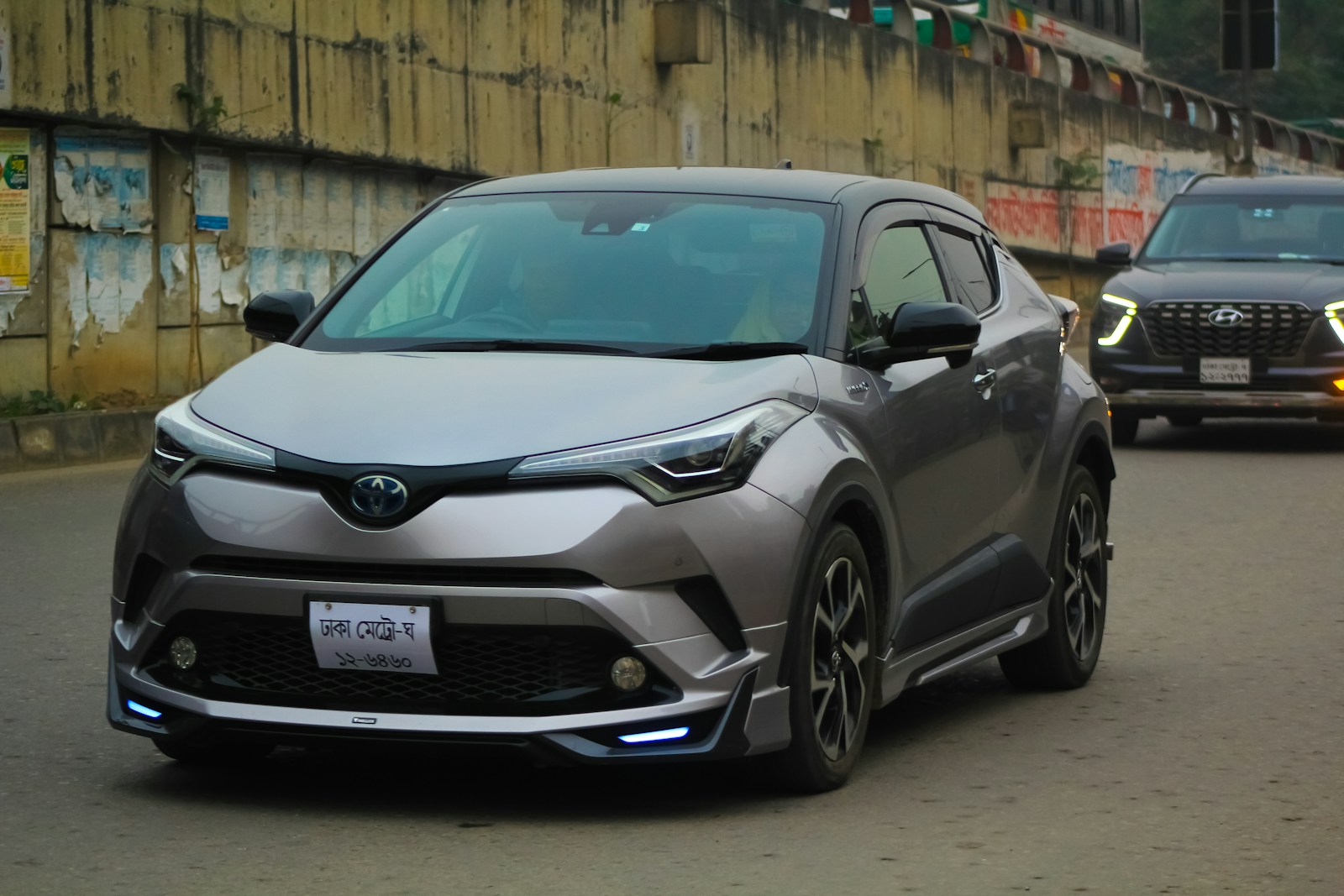

Toyota has turned the C-HR into a dedicated battery-electric SUV for the 2027 model year, and the numbers are a sharp break from the gas-only compact crossover that carried the name here since 2018. The new C-HR EV posts a manufacturer-estimated 4.9-second 0-60 mph time, runs on a 74.7-kWh battery, and starts at $37,080, according to Toyota’s own press materials. It’s arriving at dealerships this September.
Key Points
- 338 total system horsepower, split between front and rear electric motors producing 198 lb-ft and 125 lb-ft of torque respectively
- SE grade estimated at 287 miles of range; XSE grade estimated at 273 miles
- 74.7-kWh battery with a NACS charging port and an 11-kW onboard AC charger
- DC fast charging from 10% to 80% in roughly 30 minutes under ideal conditions
- Starting price of $37,080 for the SE grade
- Standard electronic all-wheel drive across the lineup
- On sale at Toyota dealers starting this September
The power split alone tells you Toyota built this as an AWD-first EV rather than bolting a second motor onto a front-driver as an afterthought. Both the SE and XSE grades get electric motors housed in front and rear eAxles, which is how Toyota is delivering standard all-wheel drive without a driveshaft running the length of the car. That’s a meaningful shift for a nameplate that started life as a front-drive-only economy crossover.
The range spread between trims is worth pausing on. The SE’s 287-mile estimate beats the sportier XSE’s 273 miles by 14 miles, almost certainly the tax for the XSE’s larger wheels and more aggressive aero. Either number puts the C-HR EV in range-anxiety-proof territory for most commutes — 287 miles is enough to drive from Los Angeles to Las Vegas without stopping, then still have juice left for the strip. And when you do need to charge, a 30-minute DC fast-charging stop covering 10% to 80% means you’re looking at a coffee break, not a lunch layover, to get back to nearly full.
At $37,080 to start, the C-HR EV lands well below the price of most three-row electric SUVs and squarely in line with gas-powered compact crossovers, which is clearly the point. Toyota is betting that shoppers who’ve been cross-shopping a RAV4 or a Corolla Cross will look at a sub-$38,000 EV with a 4.9-second sprint time and 287 miles of range and stop asking whether they’re ready to go electric.
The 338-horsepower figure is the number that will get repeated the most, and it should — it’s more power than a base Ford Mustang. For a compact crossover with a name that used to be synonymous with “entry-level,” that’s a genuine identity shift. The C-HR nameplate spent its first American generation as a slightly quirky, affordable coupe-crossover; this next chapter is a quick, all-wheel-drive EV wearing the same three letters. Toyota clearly thinks the name still has recognition value worth keeping, even as everything underneath it changes.