
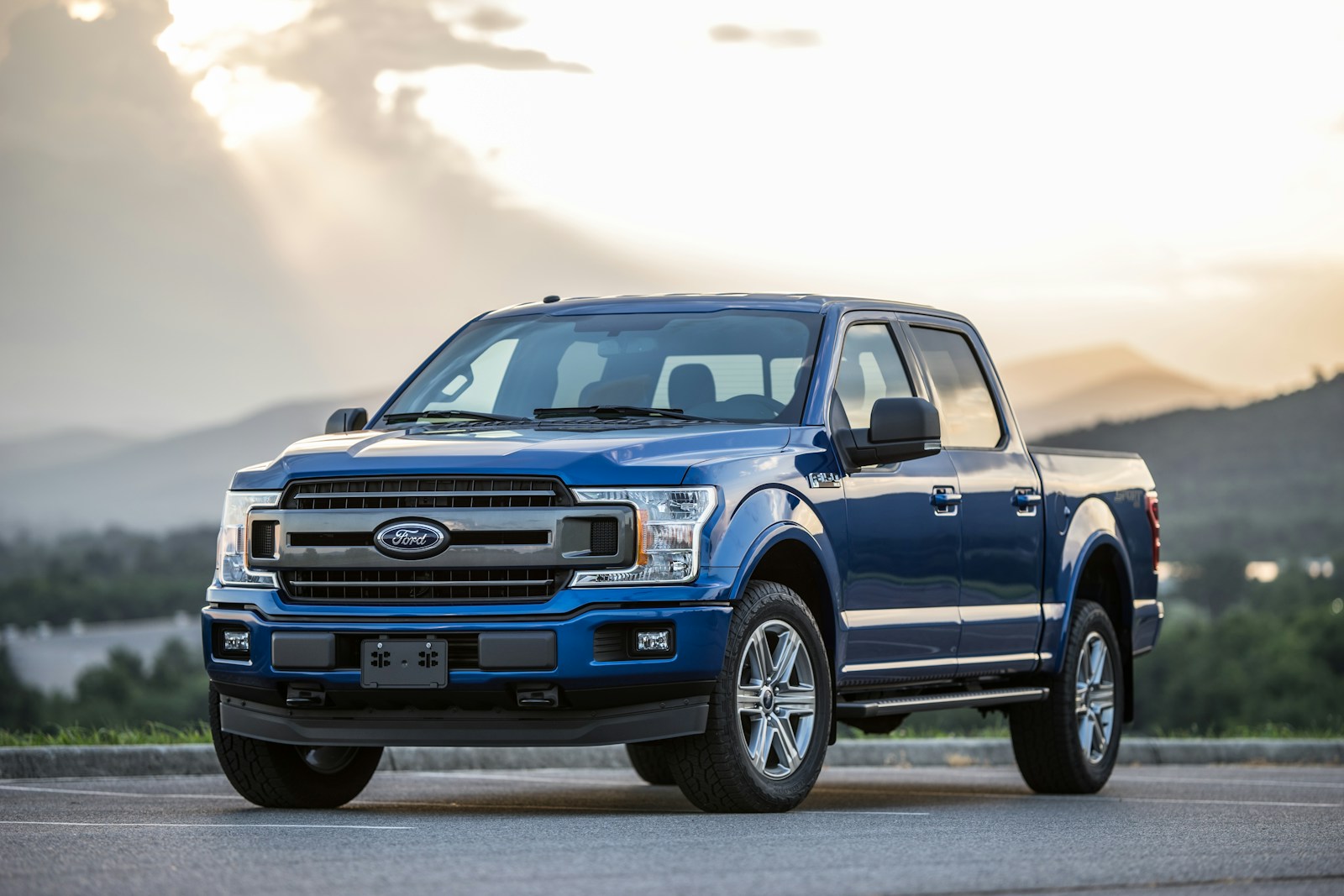

Six vehicles. That’s the entire population of a Ford recall traced to a crankshaft flaw so precisely dated that engineers pinned it to a single roughly-30-minute stretch on one production line at the Dearborn Engine Plant.
Ford’s defect report, filed with the National Highway Traffic Safety Administration as campaign 26V532, covers a handful of 2026 Explorer SUVs built with the 2.3-liter EcoBoost turbo four-cylinder. The issue: connecting rod bearings that can seize, triggering engine failure and a possible loss of drive power while the vehicle is moving.
Key Points
- Just 6 vehicles are covered by the recall — an unusually narrow population for an NHTSA campaign
- Root cause traced to crankshafts machined in a specific window right after a factory tooling change
- Bearing seizure can lead to engine failure and, in a worse case, an oil leak and fire risk if the block is breached
- Ford will replace the entire engine long block at no cost
What makes this one worth a second look isn’t the size — six cars is about as small as a safety recall gets — it’s the precision of the diagnosis. Crankshafts assembled at the plant showed a measurable shift in the Crank Pin #2 dimension, but only for the roughly 30 minutes immediately following a routine swap of a polishing shoe, the tool that finishes the crankshaft’s bearing surfaces. Outside that narrow window, the part measured normally. Ford’s own filing with NHTSA states plainly that the “root cause of the mean-shift has not been determined to date” — the company found the exact moment the defect occurred before it fully explained why.
What’s Affected
- 2026 Ford Explorer equipped with the 2.3L EcoBoost engine
- Only units built during the identified crankshaft production window are included — 6 total
Warranty data backs up how narrow the pattern is: as of August 11, Ford had logged 11 warranty claims tied to the issue, with the first surfacing in late March, and had already replaced 10 engines under warranty before the recall was even filed on August 13. That’s a company catching a defect through its own claims data rather than waiting on field complaints to pile up, and it’s the kind of traceability that only shows up when a manufacturer can match a failed part back to the exact minute it rolled off the line.
What Owners Should Do
- Listen for knocking noises from the engine, which the filing notes as a warning sign preceding failure
- Owner notification letters are expected to be mailed by August 24, 2026
- VINs became searchable in NHTSA’s recall lookup tool starting August 18
- The remedy is a full engine long-block replacement, done free of charge at a Ford dealer
For the six owners involved, the fix is total — a brand-new long block, not a patched bearing. For everyone else driving a 2.3L EcoBoost Explorer, the recall is a reminder of how tight modern engine tolerances actually are: half an hour on an assembly line, one tool change, and a bearing surface measured in fractions of a millimeter was enough to separate a normal engine from one that needed replacing under federal recall.