
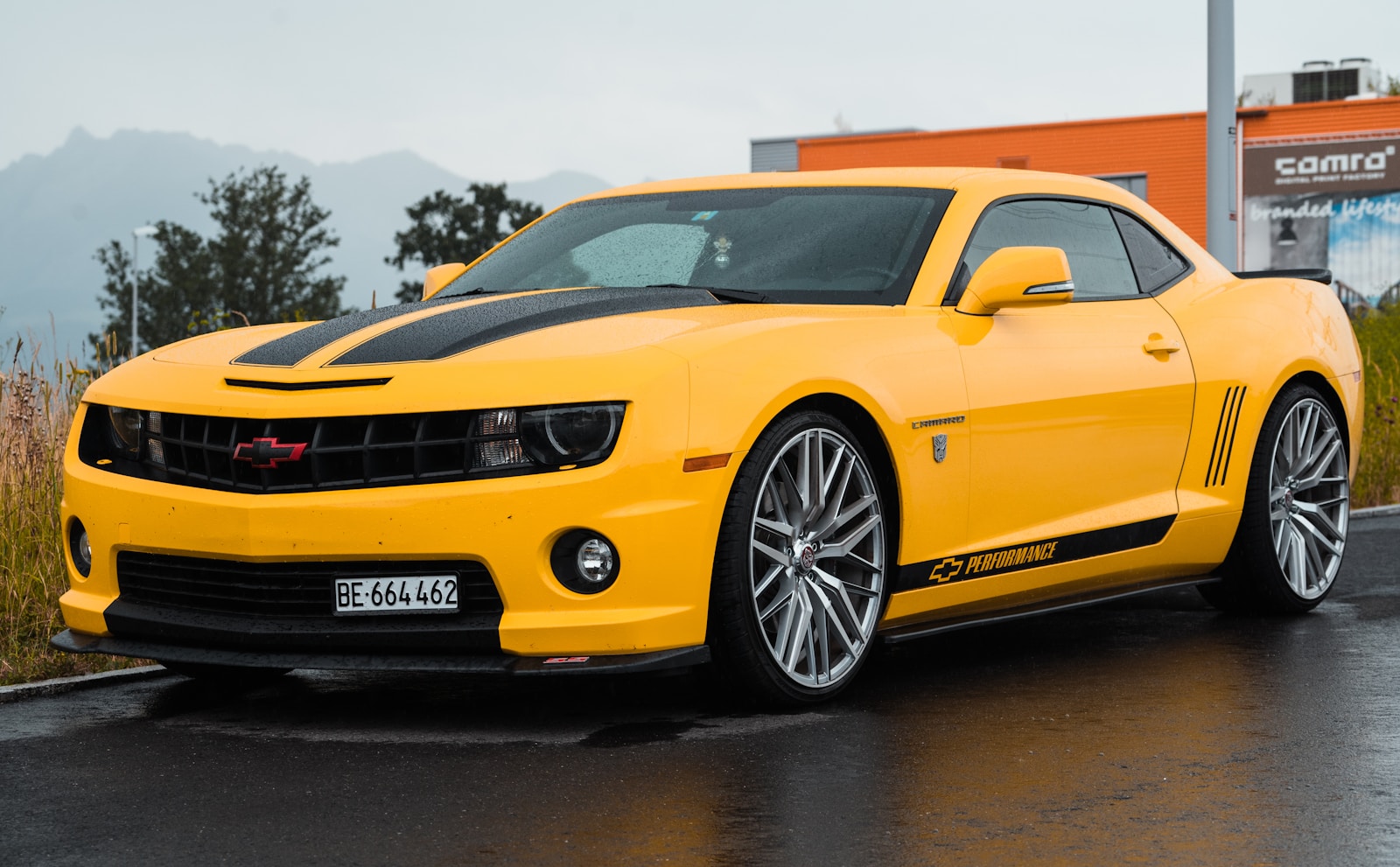

The Ford Mustang coupe now retains 77.9% of its value after five years — beating the Chevrolet Camaro’s 72.0% and blowing past the Dodge Challenger’s 60.5%, according to depreciation data from iSeeCars. That’s the twist nobody expected: with the Camaro and Challenger both out of production, conventional wisdom said scarcity would send their used prices climbing while the survivor got taken for granted. Instead, the data shows the opposite pattern playing out, and the reasons say more about how these three cars are actually driven and bought than about supply and demand.
Key Points
- Ford Mustang coupe: 77.9% residual value at 5 years (22.1% depreciation), per iSeeCars — beating the overall sports car category average of 72.7%.
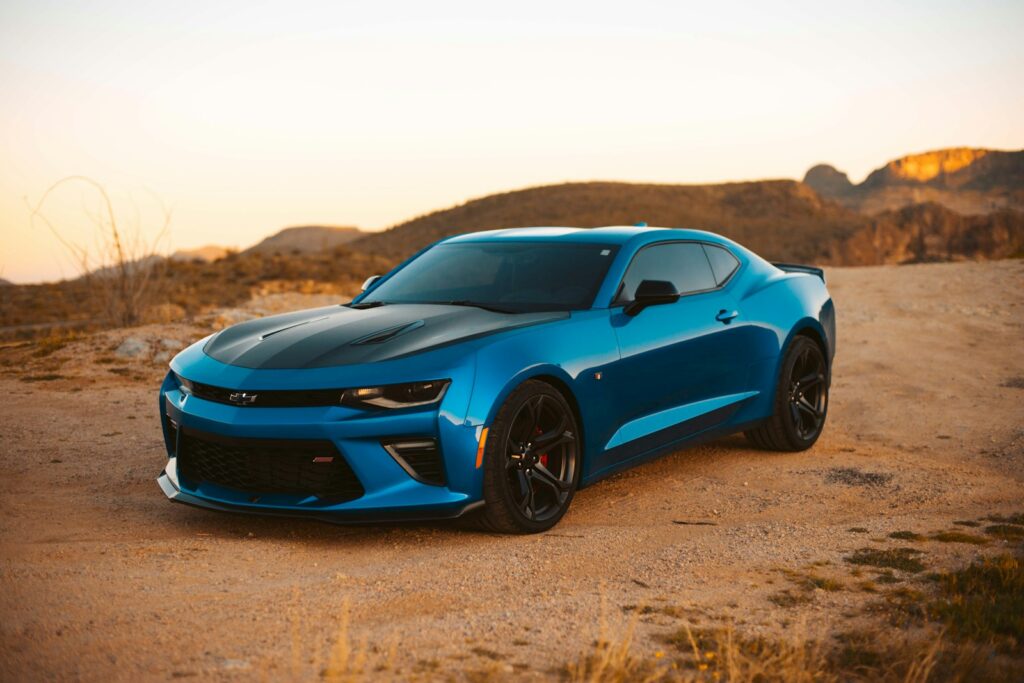
- Chevrolet Camaro coupe: 72.0% residual value, ranked #3 among sports cars in iSeeCars’ resale study.
- Dodge Challenger: 60.5% residual value, the weakest of the three by a wide margin.
- Camaro production ended in January 2024 with no confirmed successor; gas-powered Challenger production ended by December 31, 2023.
Start with what actually happened to the other two. Chevrolet built its last current-generation Camaro in January 2024, and while Global Chevrolet VP Scott Bell said at the time that “this is not the end of Camaro’s story,” no successor has been confirmed since. Dodge wound down gas-powered Challenger and Charger production by the end of 2023 under its “Last Call” send-off, shifting the Charger nameplate to a new electric and inline-six platform that dropped the Challenger body style entirely. Both moves left the Mustang as the only pony car still built the way it’s always been built — V8 available, coupe or convertible, no asterisks.
Why scarcity didn’t pump up the discontinued cars
The instinct is that a discontinued model should hold value better, not worse — fewer will ever exist, so demand per unit should climb. That’s the pattern with genuinely limited runs: a low-production special edition or a halo trim. But the Camaro and Challenger weren’t limited runs; both sold in the tens of thousands annually right up until the end, which means dealer lots and private-party listings are still full of them. A five-year-old Challenger competing against a flood of recently-discontinued Challengers doesn’t behave like a rare classic — it behaves like any other car with a shrinking, aging fanbase and a manufacturer that’s moved on to building something else entirely.
The Mustang’s advantage is continuity, not nostalgia
Every Mustang sold today still has a direct successor coming next year, which matters more to resale math than most buyers realize. iSeeCars’ broader sports car study, which pulled from over 3 million vehicle transactions, put the Camaro at #3 among sports cars for value retention and the Challenger at #12 — both still respectable, but both trailing the Mustang’s 77.9% residual by 5.9 and 17.4 percentage points, respectively. A car with a known future model still coming down the pipeline keeps parts, service networks, and enthusiast demand intact in a way an orphaned nameplate can’t match, no matter how beloved it was.
The convertible is the exception that proves the rule
Not every Mustang is cashing in on this advantage. The convertible variant depreciates at 43.3% over five years — a 56.7% residual value, worse than both the Camaro and the Challenger coupe. That’s roughly a car payment’s worth of extra value lost compared to the hardtop, and it lines up with a broader trend in the data: convertibles across the entire market depreciate faster (38% on average) than coupes (23%). The Mustang’s resale strength is really a coupe story; drop the top and you’re back to fighting the same soft demand that’s dragging on the rest of the segment.
What it means for a used pony car shopper right now
For someone cross-shopping all three nameplates used, the practical read is straightforward: a five-year-old Mustang coupe holds roughly $25,431 of its original sticker on average, per iSeeCars, while comparably aged Camaros and Challengers give up a noticeably larger share of theirs. That gap should keep widening for the Challenger and Camaro as fewer buyers see them as a car with a future and more as a car whose story already ended — while the Mustang keeps riding the fact that, for now, it’s the last one still being built.