


A numbers-matching 1971 Hemi ‘Cuda convertible sold for $3.3 million in January 2026 — a price that would have bought a decent vintage Ferrari a decade ago. Meanwhile, a genuine 1970 Pontiac GTO Judge from the exact same muscle car window trades hands for something closer to $71,372, based on 40 verified auction sales tracked over the past year. Both cars get called “muscle cars” in the same breath. The money says they’re not remotely in the same category anymore. Insurance valuation data and real sold-auction results draw a much more useful map than nostalgia does — one built on engine codes, build numbers, and options sheets instead of which car shows up most in magazine spreads.
Plymouth Hemi ‘Cuda (1970-71) — the outlier at the top
Only 780 Hemi ‘Cudas were built across the 1970 and 1971 model years, and that scarcity shows in the numbers. Average sale price across recent transactions sits at $412,244, with a documented range running from $116,000 for a project-grade coupe up to that $3.3 million convertible. Convertibles are the real anomaly here — Classic.com’s benchmark for Hemi ‘Cuda convertibles runs north of $2.8 million against roughly $284,000 for coupes, a gap almost entirely explained by how few drop-tops Chrysler actually built.
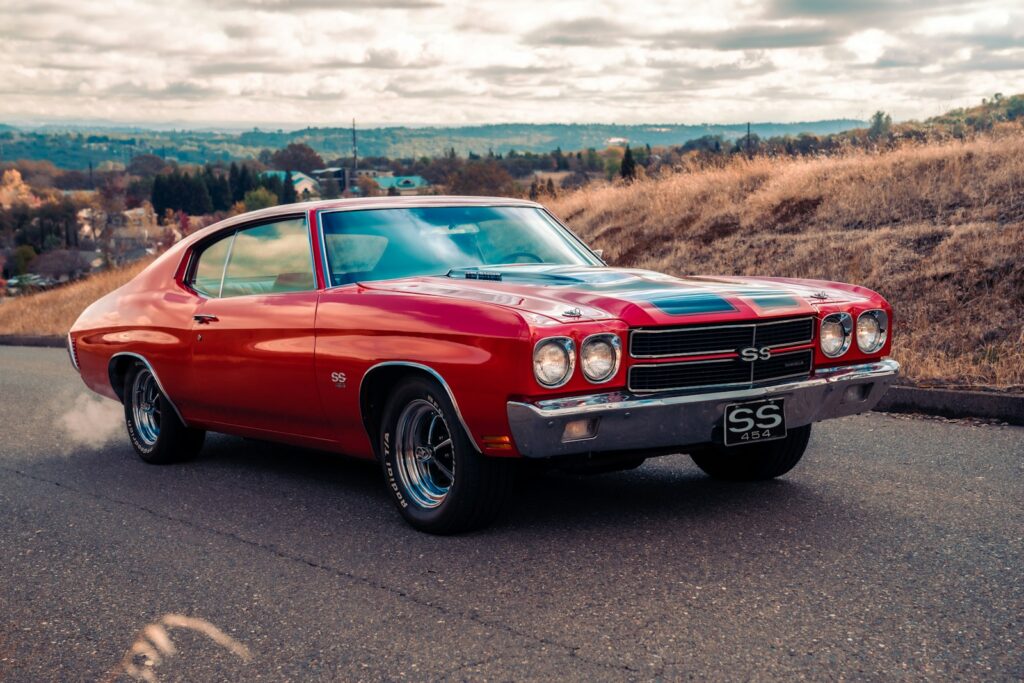
Chevrolet Chevelle SS 454 (1970) — LS6 changes everything
Fewer than 9,000 SS 454s were built for 1970, and within that number the engine option is what decides the price. Hagerty’s own data puts LS5-equipped cars in excellent condition at roughly $50,100 to $112,000 depending on originality, while LS6 cars run “about double” that — and a documented LS6 convertible has traded for $373,000. A four-speed manual adds another 15 percent on top. That’s a wider spread inside one single model year than most entire brands see across a decade.
Dodge Charger R/T (1968-70) — the one Hagerty is telling people to buy now
Hagerty put the 1968-70 Charger R/T on its 2026 Bull Market List of cars it expects to keep climbing, pegging the current average condition-#2 value at $91,450. About 40,000 Chargers were built in R/T trim, with the 426 Hemi as the rare, expensive option most buyers skipped when the cars were new — which is exactly why the Hemi cars command a real premium today.
Pontiac GTO Judge (1970) — a genuine icon, cooling off
The Judge is arguably the most recognizable muscle car nameplate outside the Mopar world, yet its current market value of $71,372 is actually down 5 percent over the past 12 months, with a median sale price of $88,550 across tracked transactions and a range from $39,000 up to $1.1 million for the rarest documented example. It’s a reminder that even a legendary name doesn’t guarantee upward momentum — supply, condition, and buyer demographics still do the deciding.
Pontiac Trans Am (1970) — the underrated middle of the pack
Recent sold results for 1970 Trans Ams cluster between $60,500 and $120,000, with one well-optioned example reaching $107,800 at a recent Mecum auction. It’s the first true Trans Am — Pontiac only built roughly 3,200 of them for the model year — but it still trades at a discount to Charger R/T and Chevelle SS territory, largely because it hasn’t attracted the same collector mythology.
Plymouth Road Runner (1970) — muscle for the price of a used sedan
The Road Runner was built as Plymouth’s budget muscle car in period, and it still trades that way. Recent sold prices range from $44,000 to $92,500, with a Bring a Trailer sale landing at the top of that range earlier this year. Asking prices on current listings run as low as $35,500. Among genuine 1970 muscle cars with a real factory performance pedigree, it remains the most accessible entry point by a wide margin.
Line all six up and the pattern isn’t subtle: rarity and factory drivetrain documentation move these numbers far more than brand recognition does. A GTO Judge is arguably more culturally famous than a Hemi ‘Cuda, and it still sells for roughly a sixth of the price. The cars quietly building equity right now aren’t the ones with the biggest reputations — they’re the ones with the lowest production numbers and the most complete paperwork.