
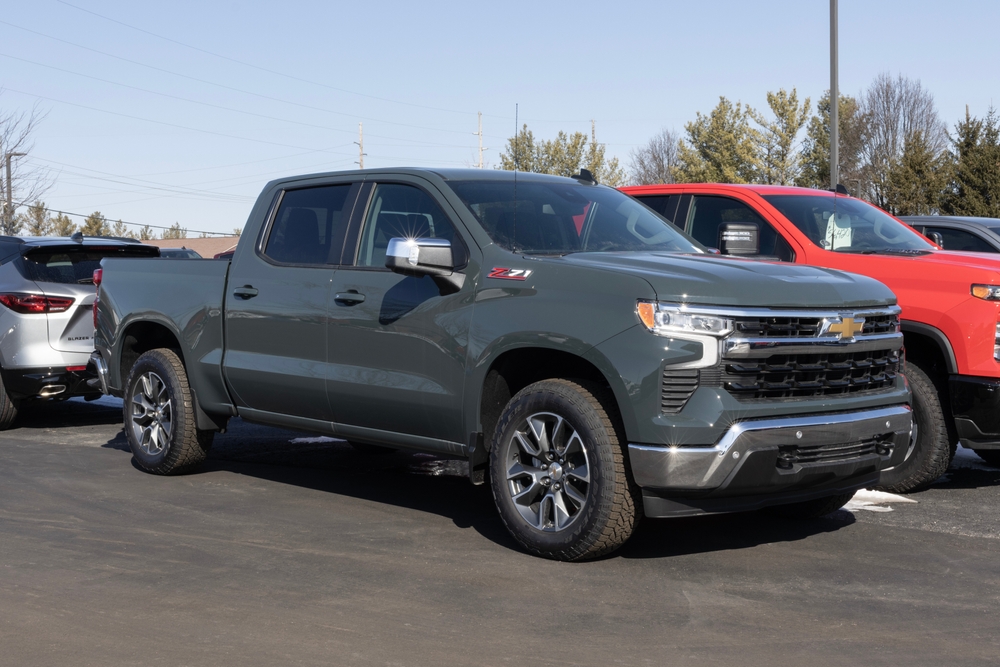

NHTSA has widened its probe into GM’s 6.2L L87 V8 into a full Engineering Analysis covering 997,743 trucks and SUVs, after the agency kept getting failure reports from owners whose engines had already gone through GM’s April 2025 recall repair. The new investigation, opened August 20 as case EA26005, jumps the scope from roughly 598,000 vehicles to nearly a million, now covering engines built years after the original fix was supposed to solve the problem.
A Fix That Didn’t Fix It
The original recall, 25V-274, addressed L87 engines built between March 1, 2021 and May 31, 2024 that were prone to connecting-rod bearing damage and premature failure. GM’s remedy was two-step: inspect the engine, then either switch it to higher-viscosity oil or replace it outright if damage was already present.
That remedy is now under its own investigation. NHTSA’s Office of Defects Investigation has logged 499 complaints of engines failing again after the repair, 473 from trucks that got the oil-viscosity fix and 26 that got a full engine swap. Another 191 failure reports came in on engines built after May 2024, outside the original recall window, which is why the population more than doubled.

GM told ODI it has fielded 6,953 complaints on the issue, 6,050 after dedup, and the agency has logged 690 through its own system, with one crash and one injury tied to post-remedy failures so far. That’s on top of the roughly 28,000 field complaints, including 12 crashes and 12 injuries, that NHTSA identified before the original recall was even issued.
What GM Says Is Actually Wrong
GM points to manufacturing and quality shortcomings at an engine components supplier: connecting rod bearings damaged by contamination, and crankshafts machined outside spec, defects severe enough to spin a bearing, seize the engine, and stall the truck at speed. GM says it corrected the supplier issue for engines built after June 1, 2024, but EA26005 exists because failures keep showing up outside that window.
GM corporate communications spokesman Bill Grotz said of the expanded probe: “The safety and satisfaction of our customers are the highest priorities for the entire GM team, and we continue to cooperate with NHTSA’s evaluation of this matter.”
What’s Affected
- 2021-2026 Chevrolet Silverado 1500, Tahoe, and Suburban
- 2021-2026 GMC Sierra 1500, Yukon, and Yukon XL
- 2021-2026 Cadillac Escalade and Escalade ESV
- All equipped with the 6.2L L87 gas V8
- 997,743 vehicles now under NHTSA’s engineering analysis
What Owners Should Do
- Check your VIN against GM’s recall lookup or NHTSA’s 25V-274 recall FAQ to confirm whether your truck already received the oil-viscosity or engine-replacement remedy
- Watch for warning signs GM has flagged: knocking or ticking from the engine, a check-engine light, oil pressure warnings, or a sudden loss of power
- If your engine was already “fixed” and symptoms return, get it inspected at a dealer and file a complaint with NHTSA, since that data is driving this investigation
- Keep your service records; remedy documentation matters if EA26005 leads to a second recall
An Engineering Analysis is the last procedural step before NHTSA can order a recall. Since this one exists purely because a prior fix reportedly isn’t holding, GM may be staring down a second campaign on the same engine family, covering nearly double the original population.