
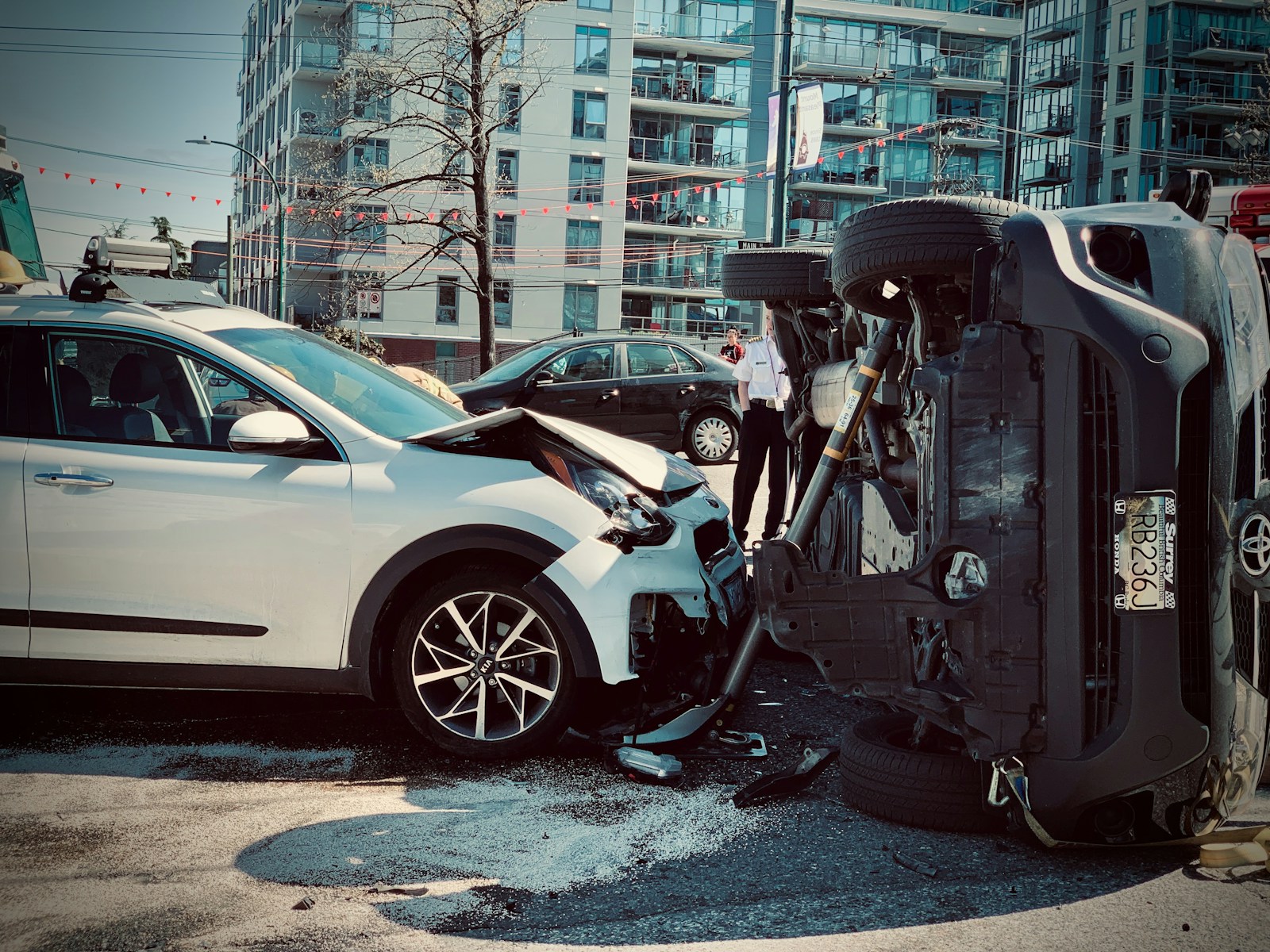

CNN has documented a spreading social media trend in which drivers deliberately travel the wrong way down highways and film themselves doing it, tying that content to a string of fatal crashes in Britain and Ireland since early August 2026. The CNN investigation, published August 24 and syndicated through nearly a dozen CNN-affiliated U.S. newsrooms, traces drivers turning dangerous maneuvers into short-form video chasing likes and followers.
The Crash That Forced the Issue
The incident anchoring CNN’s reporting happened on the A66 near Middlesbrough, England, the weekend of August 24. A Volkswagen Passat carrying five people, running on cloned plates that dodged automatic plate-recognition cameras, led Cleveland Police on a seven-minute pursuit before slamming head-on into a marked police vehicle, according to CNN and IBTimes UK’s reporting.
All seven people involved died: five Passat occupants, ages 17 to 23, and two officers, PC Matthew Blades, 37, and PC Tom Clough, 38. One occupant had reportedly posted footage of prior reckless driving to TikTok before the crash.
A Pattern, Not an Isolated Crash
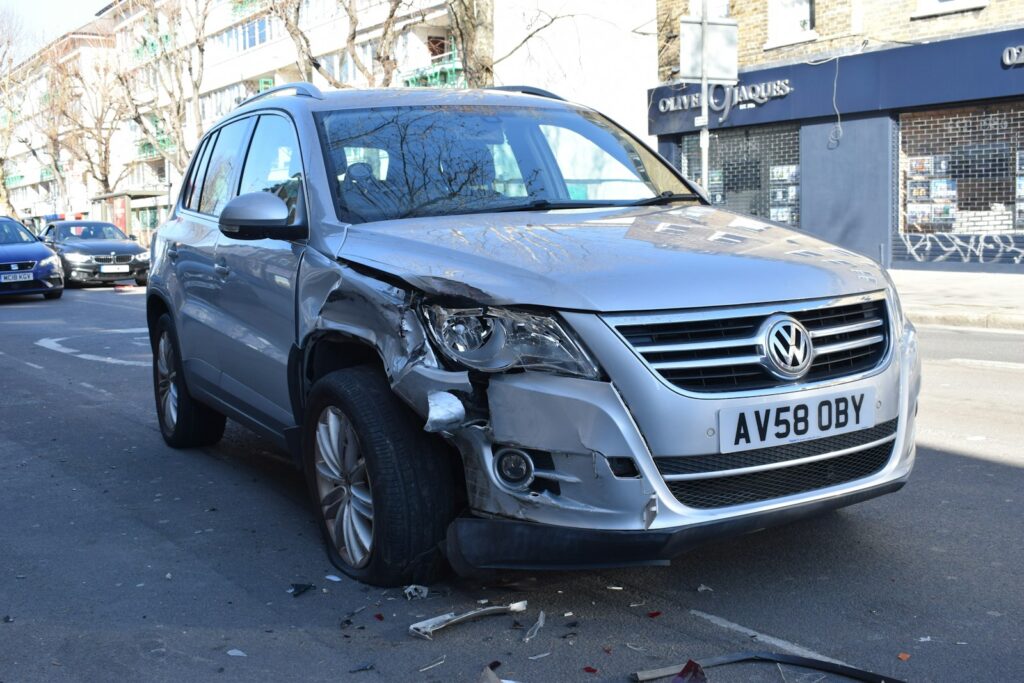
CNN’s reporting connects the A66 crash to a broader spike Irish police have already quantified. An Garda Síochána recorded 62 wrong-way motorway incidents in Ireland through 2026 year-to-date, a 32% jump over the same period in 2025, per IBTimes UK. Two separate wrong-way collisions in Ireland this August killed five teenagers and hospitalized several others, with an eight-occupant vehicle involved in a third near Dublin.
Garda Commissioner Justin Kelly called the behavior “irresponsible and dangerous.” UK Defence Minister Luke Pollard went further: “We’ve communicated to those social media platforms that have been hosting content that celebrates this type of dangerous behaviour on our roads to take down that content,” per the Irish Examiner.
Cars Already Solved This Problem, Just Not for This
Wrong-way detection isn’t new hardware, which makes the trend more frustrating from an engineering standpoint. Nissan built the first GPS-based wrong-way warning system into the Fuga sedan in 2010, cross-referencing position and heading against traffic-flow data to trigger an instrument-cluster alert. Toyota added similar navigation-linked warnings a year later, and Mercedes-Benz put the feature into the S-Class and E-Class by 2013, per documented industry records. None of that hardware stops a driver turning the wrong way on purpose for a camera; it was built to catch confused drivers exiting the wrong ramp, not someone deliberately aiming into oncoming lanes with a phone on the dash.
The crashes involve ordinary vehicles, a family-sized Passat rather than a stunt car, in conditions no chassis or crash structure is rated for. Head-on closing speeds on a divided highway routinely exceed 100 mph combined, past anything a five-star crash rating accounts for, and cloned plates erase the registration trail investigators use to trace a car’s real owner.
What Comes Next
TikTok has said it removed 99.1% of violent or criminal content proactively, before any user reported it, during the January-to-March 2026 period, a company-reported figure cited in CNN’s story. Whether that rate extends to wrong-way clips is unclear, and regulators in Britain and Ireland are now pressing platforms directly. Cleveland Police and Crime Commissioner Matt Storey called the behavior “absolutely idiotic” and “incredibly dangerous” — language that fits a trend built on real cars and roads never meant to be driven the wrong way.