
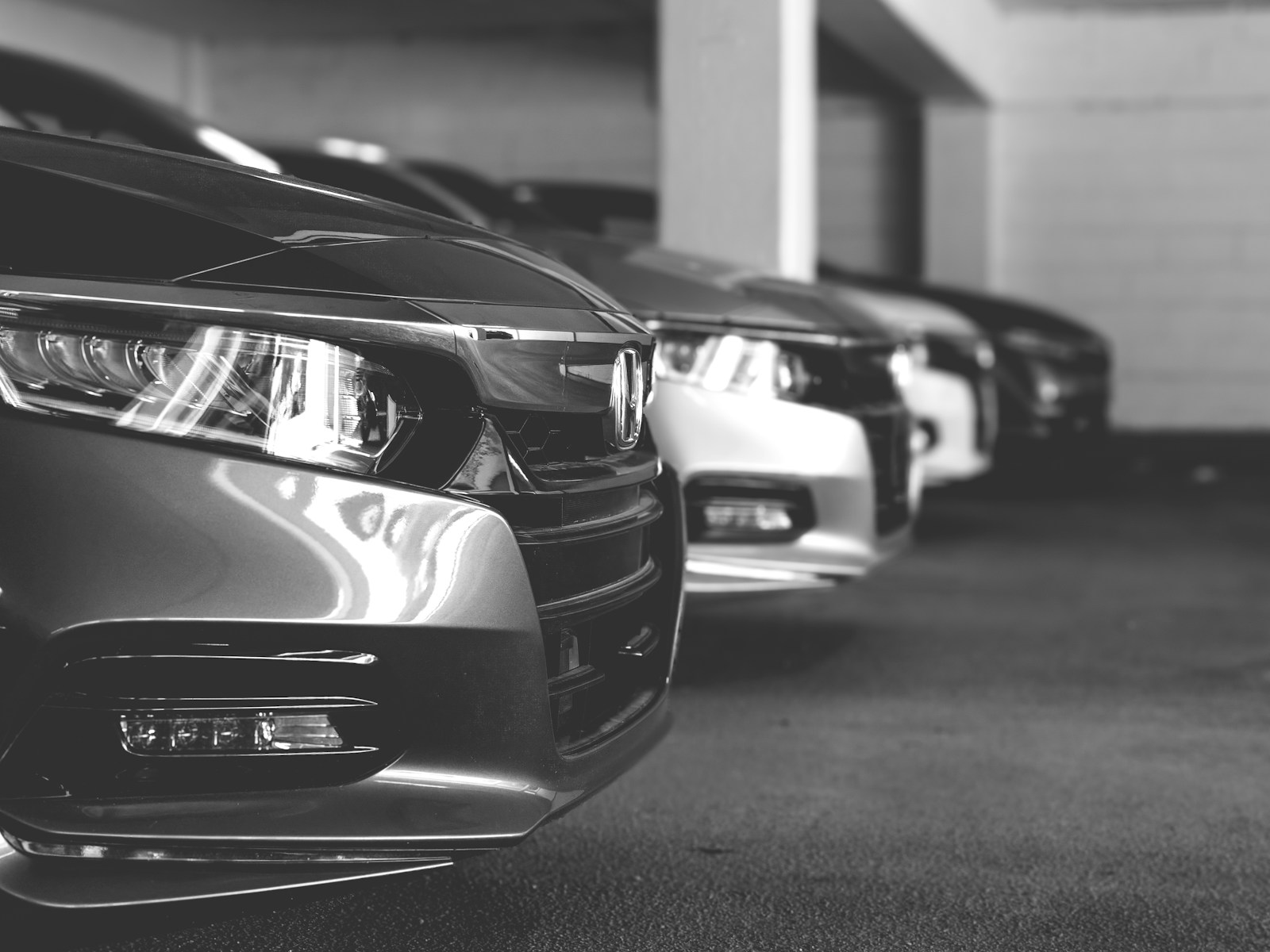

President Trump said on Aug. 24, 2026, that he plans to double the tariff on Canadian-built vehicles from 25% to 50%, starting Jan. 1, 2027, after trade talks between Washington and Ottawa broke down. The move covers cars, trucks, auto parts and steel, and could add thousands of dollars to the price of popular models built north of the border, according to CBS News.
What Trump actually said
In a post on his Truth Social platform, Trump wrote: “On January 1, 2027, tariffs on all cars, trucks, both large and small, automotive parts and steel will be increased to 50%. Build in the U.S. and there are zero tariffs,” according to Yahoo Finance. Automakers building entirely in the US would face no tariff; those still assembling in Canada would eat the full 50% rate.
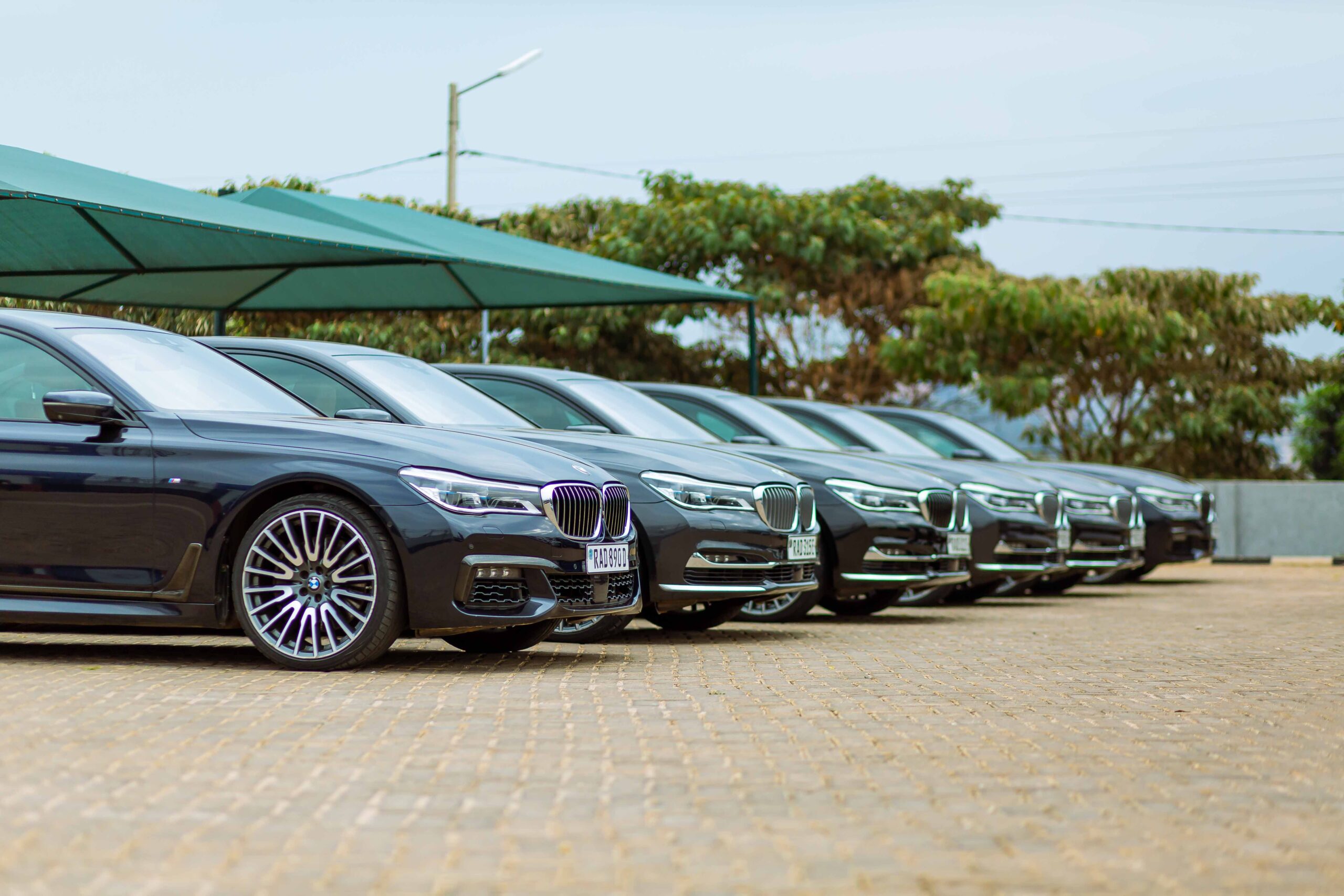
The threat follows a collapse of US-Canada trade negotiations and a 50% tariff the US already applied to a batch of Canadian goods that weekend. Canadian Prime Minister Mark Carney rejected the US offer and said Canada would impose retaliatory tariffs starting Sept. 8, per CBS News. A White House fact sheet from July had already flagged a 22% drop in Canadian imports of American vehicles, accusing Canada of discriminatory trade practices.
Which vehicles are exposed
Several high-volume models sold in the US are still built at Canadian plants, including the Toyota RAV4 (Woodstock, Ontario), the Honda CR-V (Alliston, Ontario), the Chrysler Pacifica and Dodge Charger (Windsor, Ontario), the Lexus NX, and the Chevrolet Silverado HD built in Oshawa, Ontario, according to Newsweek. Those nameplates would carry the higher duty after Jan. 1 unless production shifts south or a new deal is reached first.
What it could mean for your car payment
Tariffs are paid by the US importer of record, not by Canada, and automakers typically pass at least part of that cost on to buyers. When the original 25% tariff on Canadian and Mexican vehicle content was layered onto a separate 10% tariff on Chinese-sourced parts, the Michigan-based Anderson Economic Group estimated per-vehicle price increases of roughly $4,000 to $10,200 depending on segment — $6,200 for a small car, $8,000 for a pickup, $9,000 for a full-size SUV and $12,200 for a battery-electric crossover — according to CBS News. “These are cost increases that cannot be hidden from the consumer,” AEG CEO Patrick Anderson said. Doubling the rate specifically on Canadian-built vehicles would push the Canadian-content share of that bill higher still, though AEG has not yet published an updated figure for the 50% scenario.
General Motors booked $3.1 billion in gross tariff costs in 2025 under the 25% rate, according to the Motley Fool, and Ford shares fell more than 3% the day the doubling was announced. Michigan State University supply chain professor Jason Miller said the tariffs could eventually drive up prices for shoppers, according to Yahoo Finance, though final rates often land below announced levels once carveouts play out.
The increase is a threat, not a rule in effect, with more than four months before the Jan. 1 deadline for talks to change course. Buyers cross-shopping a RAV4, CR-V, Pacifica or Silverado HD built in Canada have a window to lock in a purchase before any new tariff lands on the sticker.