
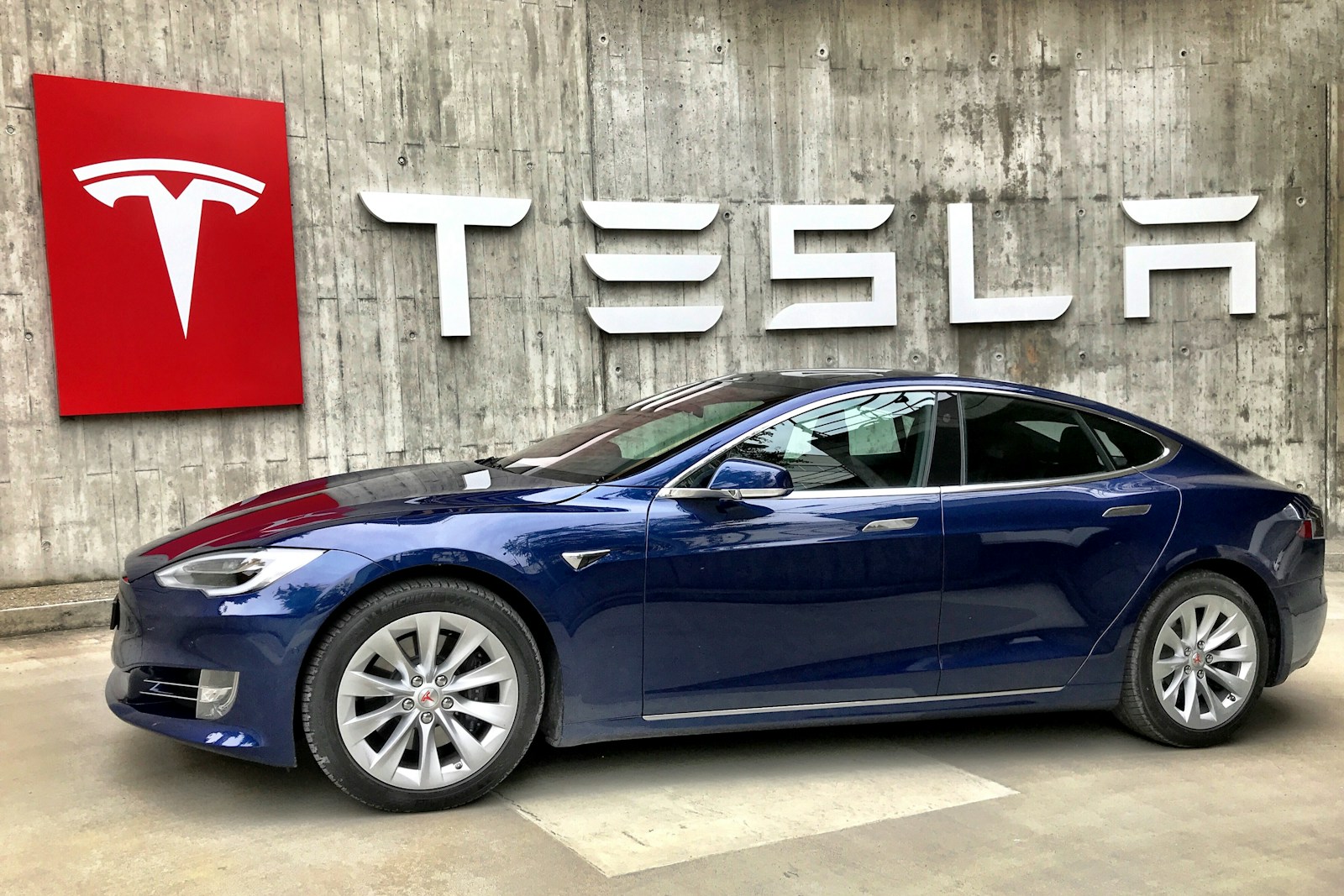

A number that stopped an investigator cold
One hundred fifty-six. That’s how many owners told the federal government their Tesla’s front suspension let go without warning, and it was enough to put 1,198,300 vehicles under formal review. On July 29, 2026, the National Highway Traffic Safety Administration opened a preliminary evaluation into the Model 3 and Model Y after a cluster of complaints described the front lower lateral link detaching while the car was being driven. That’s not a squeak or a rattle. It’s a core structural piece of the front suspension, and when it separates, NHTSA says the vehicle can lose steering control, become undrivable, and need to be towed from wherever it happened to fail.
No other single defect case has pulled in a comparable volume of owner complaints against one automaker’s lineup so far this year, which makes the Model 3 and Model Y the closest thing 2026 has to a definitive answer on which car has drawn the most NHTSA scrutiny built directly on driver-submitted reports.
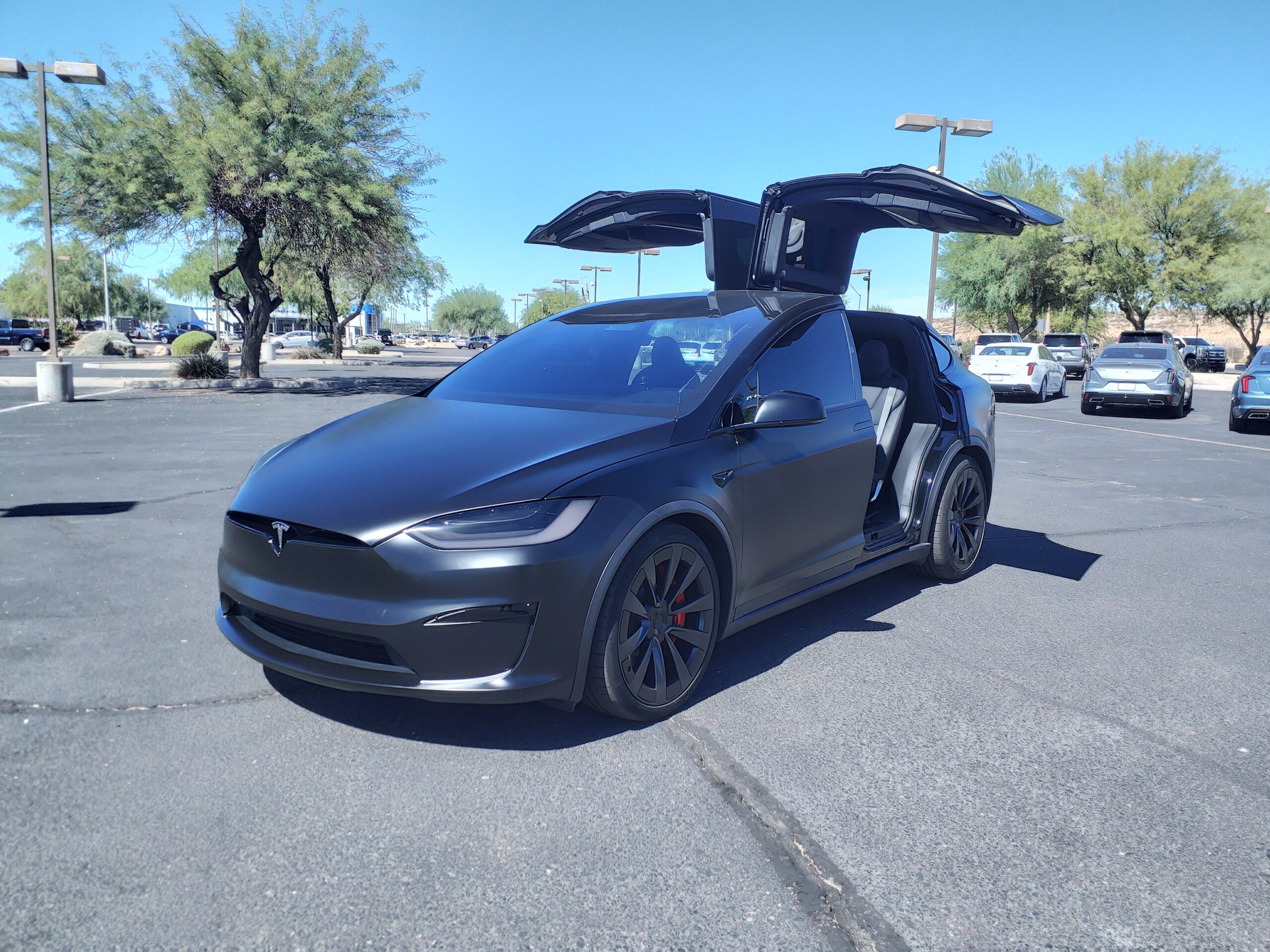
What the complaints actually describe
The investigation, designated PE26006, covers 2018 through 2020 and 2023 Model 3 sedans along with 2021 through 2023 Model Y crossovers. According to reporting from Repairer Driven News, which reviewed the agency’s opening notice, most owners said they had no advance warning before the link failed. A handful mentioned hearing noises beforehand, but plenty got nothing at all before the front end of the car gave way underneath them. Electrek’s coverage of the same filing quotes the safety implications directly: once the link separates, directional control can be compromised at speed, and the car isn’t drivable afterward.
What makes this case notable isn’t just the complaint count, it’s what NHTSA said about it in the same breath. The agency explicitly noted that these failures exceed the scope of two earlier Tesla recalls covering similar lateral link problems: campaign 21V-835, which addressed roughly 2,791 vehicles, and 23V-235, which covered about 422 vehicles. Both of those fixes were narrow. This complaint pattern is not. Autoevolution’s writeup of the opening documents notes the agency’s own language: the current failures “do not appear to be related to the production issue that prompted those recalls,” which is regulator-speak for a problem the company hasn’t actually solved yet.
Preliminary evaluation is the first of NHTSA’s investigative stages, well short of a mandated recall, and no crashes, fires, injuries, or deaths have been tied to the failures as of the opening notice.
Why Tesla keeps showing up at the top of these lists
This isn’t a one-off. A complaint-rate analysis compiled from NHTSA’s public database and published in April 2026 found that when complaints are normalized per 10,000 vehicles sold, to keep high-volume models from simply drowning out newer ones, the Model S topped the list at 177.6 complaints per 10,000 units, with the Model X close behind and the Model 3 also landing in the top ten. Hyundai’s Ioniq 5 and Kia’s EV6 rounded out a list that skewed heavily toward EVs, a pattern that tracks with how much software, battery, and drivetrain complexity those platforms carry compared to a decade-old gas powertrain. The methodology behind that data set, via Torque News’ review of the Vinitel figures, comes with the same caveat NHTSA itself attaches to every entry in the database: complaints are self-reported and the agency neither validates nor invalidates them before publishing.
That caveat matters here too. A complaint isn’t proof of a defect, and 156 filings out of nearly 1.2 million vehicles on the road is a small fraction of the fleet. But NHTSA doesn’t open preliminary evaluations lightly, and the volume was apparently distinct enough from ordinary wear-and-tear reports to warrant a formal look separate from recalls the company already issued.
What it means for anyone shopping a used Model 3 or Model Y
For owners of the affected model years, the practical advice hasn’t changed: any unusual noise or looseness from the front end warrants an immediate dealer inspection rather than a wait-and-see approach, especially given how little warning the complainants described getting. For shoppers eyeing a used Model 3 from 2018 through 2020 or a Model Y from 2021 through 2023, it’s worth checking whether a given VIN falls inside the investigation’s scope before signing anything, since a preliminary evaluation can, but doesn’t always, evolve into a mandatory recall with a repair timeline attached.
Whether PE26006 ends in a recall notice or a quiet closure, the count that opened it is the real story of 2026 so far: no other vehicle line has generated a comparable wave of NHTSA-logged owner complaints serious enough to trigger an active federal investigation into how the car is built.