
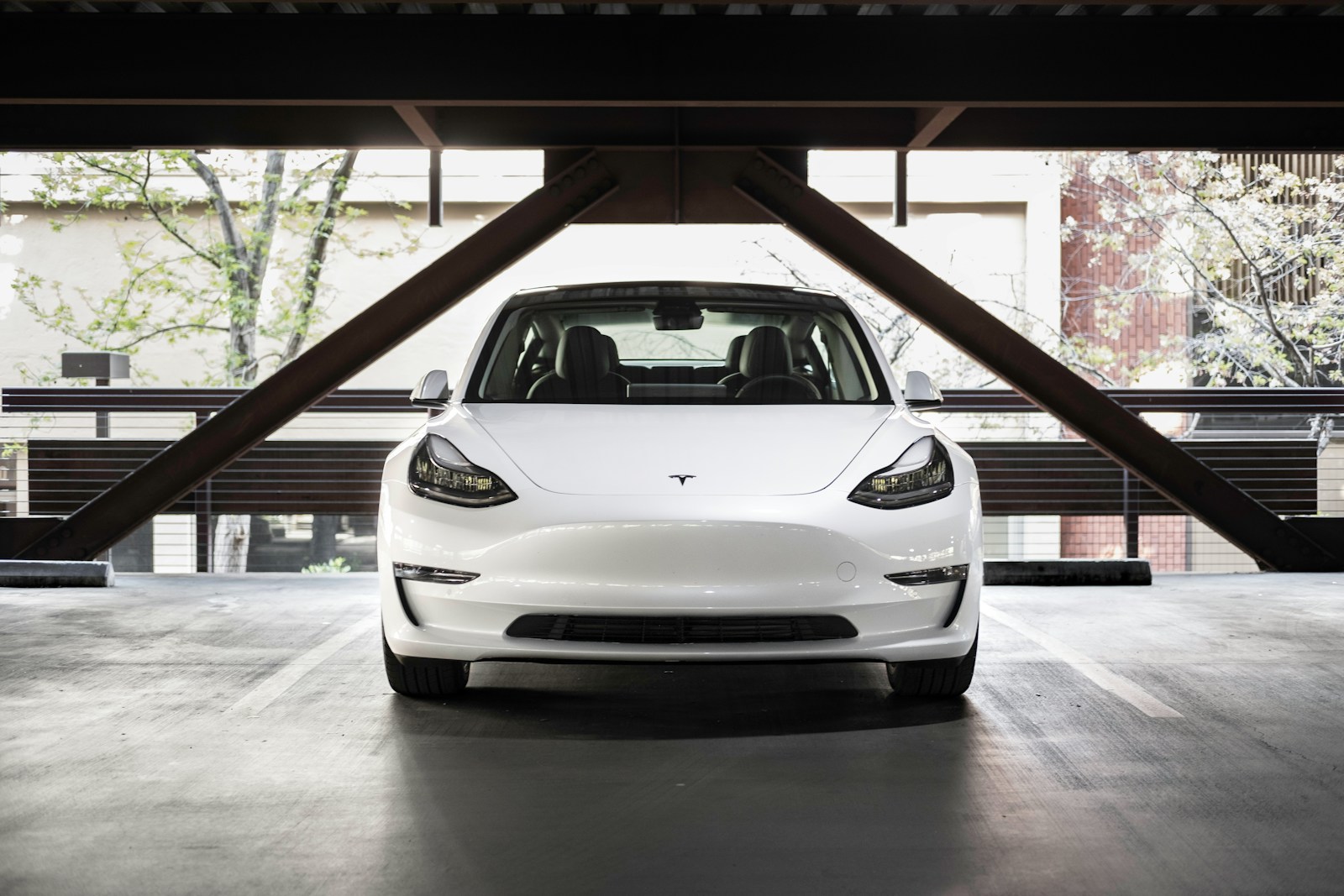

A record 23.1% of auto insurance claims in the first quarter of 2026 ended in a total loss, according to CCC Intelligent Solutions’ Crash Course 2026 report, up from roughly one in five just a few years earlier. That number alone tells you insurers are writing off cars faster than ever, but it doesn’t explain why a fender-bender that once meant a body shop visit now sometimes means a check and a salvage title. The answer sits in what claims adjusters call the repair-cost-to-value ratio, and a handful of vehicle categories are pushing that math past the breaking point after impacts that barely dent a bumper.
Why a Small Hit Can Trigger a Big Payout
Insurers total a car when estimated repair costs, plus salvage value, exceed a state-set percentage of the vehicle’s actual cash value, typically somewhere between 70% and 100% depending on the state. That threshold used to require serious structural damage. It doesn’t anymore. CCC’s report found that 28.3% of repairable estimates now require a sensor or camera calibration, a jump driven by the spread of advanced driver assistance systems across the mainstream fleet, and each calibration adds labor and parts cost on top of the physical repair itself.
AAA’s own repair-cost research put a number on that add-on. Advanced driver assistance components can account for as much as 37.6% of the total repair bill after a crash, and a rear-end collision that requires reprogramming a rear camera or radar module can push ADAS-related costs to 40.9% of the total estimate, according to AAA’s newsroom findings. A cracked windshield with an embedded camera can run $360 just for the sensor component before glass and calibration labor are added, and a single front radar sensor replacement can land between $500 and $1,300 on its own.
The Tesla Problem
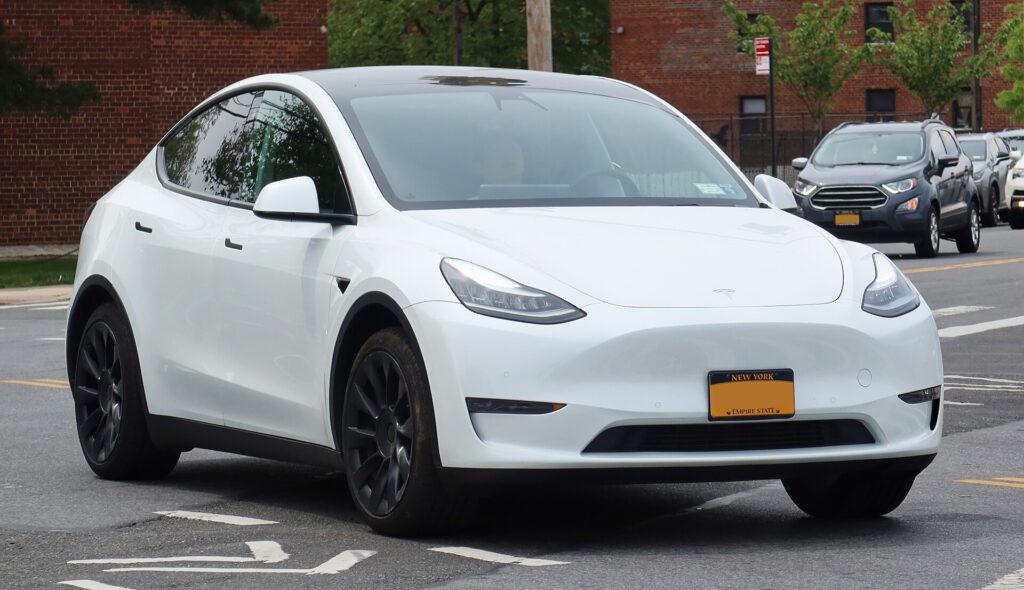
No vehicle illustrates the pattern better than the Tesla Model Y. Reuters reviewed salvage listings from Copart and IAA, two of the country’s largest auto auction marketplaces, and found more than 120 Model Ys totaled after collisions and put up for auction within a few weeks, the vast majority with fewer than 10,000 miles on the odometer, according to reporting cited by Kelley Blue Book. In one case, a Model Y worth roughly $61,000 at retail carried an estimated repair cost north of $50,000. In another, a $72,667 truck came back with a $43,814 estimate. Tesla’s structural battery pack, where the pack itself forms part of the vehicle’s floor and chassis rather than bolting on as a separate component, means even shallow damage near the pack can require full battery replacement rather than a targeted repair. Elon Musk has acknowledged the design tradeoff directly, telling investors that “it’s remarkable how small changes in the design of the bumper and providing spare parts needed for collision repair have an enormous effect on the repair cost,” and noting that “most accidents are actually small, a broken fender or scratched side of the car.”
That doesn’t mean every electric vehicle is a write-off risk. Mitchell’s own claims data found EVs from the 2020 model year and newer had a total loss rate of 7.25% through the first three quarters of 2023, actually lower than the 8.49% rate for all internal combustion vehicles and roughly in line with luxury ICE models at 7.47%, per Mitchell’s published report. What EVs do consistently cost more to fix: Mitchell separately found the average EV repair ran $6,066 versus $4,703 for a comparable gas vehicle, a roughly 30% gap driven partly by the scarcity of aftermarket EV parts, which pushed OEM-parts usage on repairable EVs to 88.85% compared with 67.48% for gas cars, according to Kelley Blue Book’s coverage of the same Mitchell data. That same KBB report noted insurers are more likely to write off Teslas specifically than other EV brands, tying the gap back to the structural battery architecture Musk himself has described.
Aluminum Trucks Carry Their Own Penalty
The problem isn’t limited to EVs or sensor-laden crossovers. When the Insurance Institute for Highway Safety ran identical low-speed bumper tests on steel and aluminum-body Ford F-150s, the aluminum truck came back with a repair bill 26% higher overall. A 10-mph rear-impact test alone showed a $1,463 gap, with aluminum parts costing 42% more than the steel equivalent, according to IIHS’s published test results. “From a simple bolt-on parts replacement to a more-involved removal and installation of entire body panels, fixing the aluminum F-150 is more expensive than repairing a steel-body F-150,” IIHS chief research officer David Zuby said of the findings. A follow-up analysis from the Highway Loss Data Institute found collision claim severity ran roughly 20% higher across vehicles with high aluminum content compared with steel-bodied counterparts industry-wide.
What It Means for Buyers
None of this means EVs, aluminum trucks, or ADAS-equipped cars are bad purchases. It means the math insurers run after a crash has shifted, and vehicles built around structural battery packs, aluminum panels, or dense sensor arrays sit closer to the total-loss line even when the visible damage looks minor. With total loss frequency now sitting above 23% industry-wide, that repair-cost-to-value calculation is worth a look before signing on a car whose bumper hides more electronics than sheet metal.