
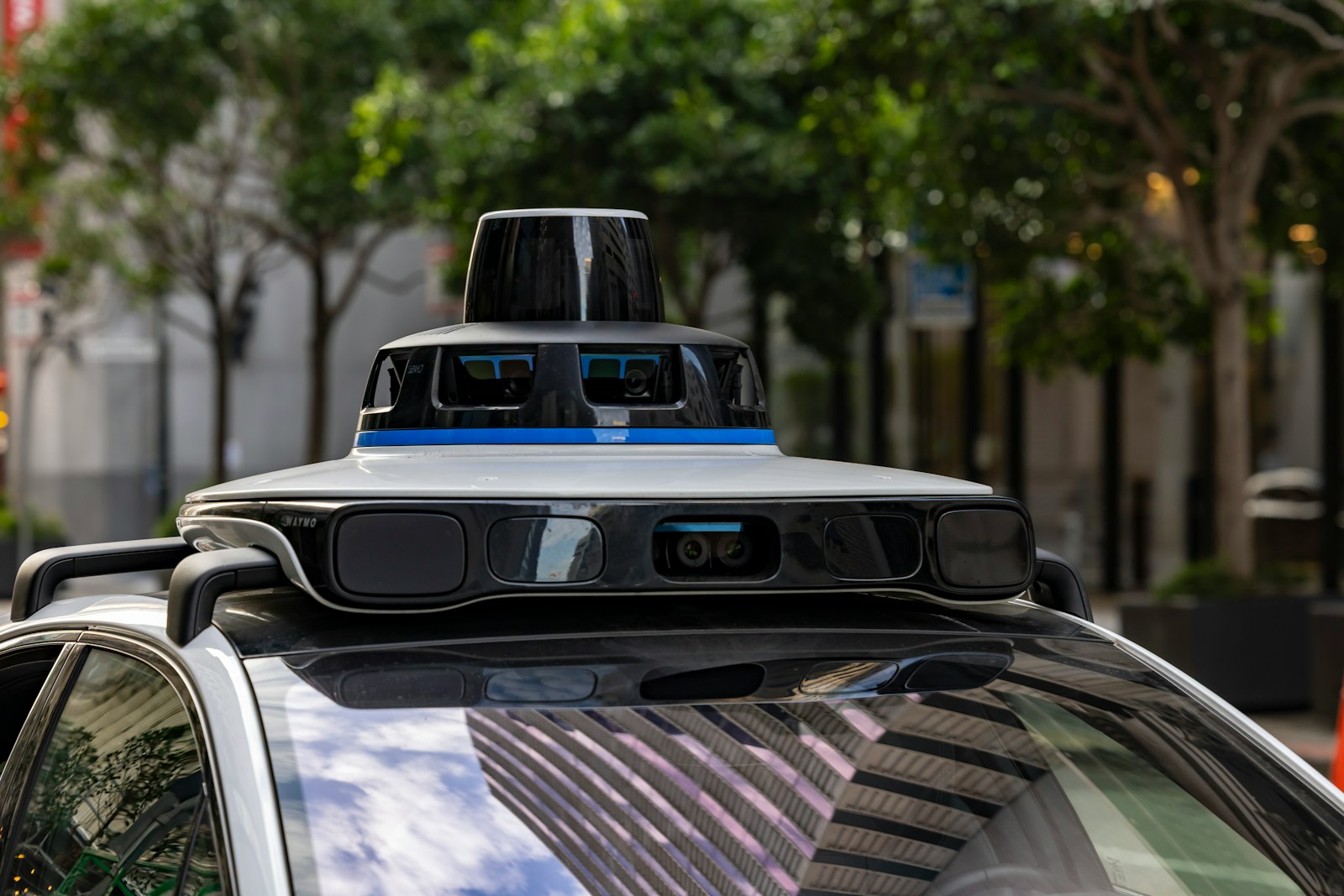

Every few weeks another Waymo clip rips through social media: a robotaxi nosing into a flooded street, one parked in front of a police cruiser like it’s waiting for a ticket, one sitting frozen in an intersection while a line of honking cars backs up behind it. The clips are entertaining. They’re also a bad way to actually understand whether a car with nobody behind the wheel is safe to share a road with. CNN spent months building an actual investigation to answer that question, and the results are messier than either the meme accounts or Waymo’s own marketing would suggest.
1. CNN’s investigation goes well beyond the viral clips
In a June 2026 investigation, CNN documented hundreds of real Waymo incidents pulled from public records and reporting, not just the ones that happened to get filmed and shared. The pattern CNN found included robotaxis entering active construction zones and flooded streets, failing to yield to pedestrians and cyclists, interfering with emergency responders, colliding with a bicyclist blocking a bike lane, and freezing en masse during a citywide power outage, stranding riders and blocking traffic. Source: CNN.
2. Waymo’s own response leans on scale, not denial
Waymo didn’t dispute that these incidents happened. Instead, per CNN’s reporting, the company said the documented incidents “represent a tiny fraction of its millions of rides” and that “the vast majority of trips are uneventful.” Waymo also told CNN it has cut emergency calls involving passengers by more than 50% and is actively working with cities and regulators on the issues that have surfaced. That’s a fair point statistically, and it’s also the exact argument every industry facing safety scrutiny makes before regulators force more transparency.
3. Federal regulators are now applying direct pressure
This isn’t just a media story anymore. NHTSA administrator Jonathan Morrison sent a formal letter to autonomous vehicle developers in July 2026 identifying what the agency called “a clear pattern of driverless AVs interfering with law enforcement and other first responders,” and gave the industry a deadline to propose solutions, according to TechCrunch’s reporting. The letter cited specific failure modes: autonomous vehicles blocking ambulances and fire trucks, driving into active crime scenes, and failing to recognize temporary safety signals like flares and traffic cones set up by responders on the ground. Waymo’s response to that pressure was measured, telling reporters it “supports efforts to standardize how AV developers engage with first responders” and would welcome industry-wide minimum guidelines rather than a patchwork of city rules.
4. Independent researchers see a pattern, not a fluke
CNN’s investigation quoted autonomous vehicle researcher Bryant Walker Smith making a point that cuts against both the doom narrative and the marketing spin: robotaxis aren’t eliminating transportation risk, they’re trading one set of problems for a different one. Human drivers run red lights, drive drunk, and get distracted by phones. Robotaxis apparently get confused by flooded roads, freeze during power outages, and don’t reliably recognize a police officer’s hand signals. Neither failure mode is acceptable, but they’re not the same failure mode, and comparing them honestly requires more than a viral clip in either direction.
5. There’s also a mundane, infrastructure-shaped problem here
Some of the most disruptive incidents CNN and other outlets have tracked this year weren’t dramatic crashes at all. A July 4 gridlock event and a separate December power outage each left dozens of Waymo vehicles stranded across intersections simultaneously, because the fleet’s dependency on connectivity and charging infrastructure creates a single point of failure that a human-driven fleet simply doesn’t have. A car with a dead battery and a driver just gets a jump or a tow. A fleet of robotaxis that all lose signal or power at once turns into an instant traffic event.
What this actually means if you’re sharing the road with one
The honest reading of the data sits between the two extremes people keep pushing online. Waymo’s vehicles aren’t secretly dangerous death machines, and they’re also not the flawless, always-safer-than-humans product the company’s safety marketing implies. They fail differently than human drivers do, in ways that are still being cataloged in real time by regulators and journalists rather than by the company itself. That’s worth remembering the next time a thirty-second clip tells you everything you supposedly need to know about how safe autonomous driving actually is.