
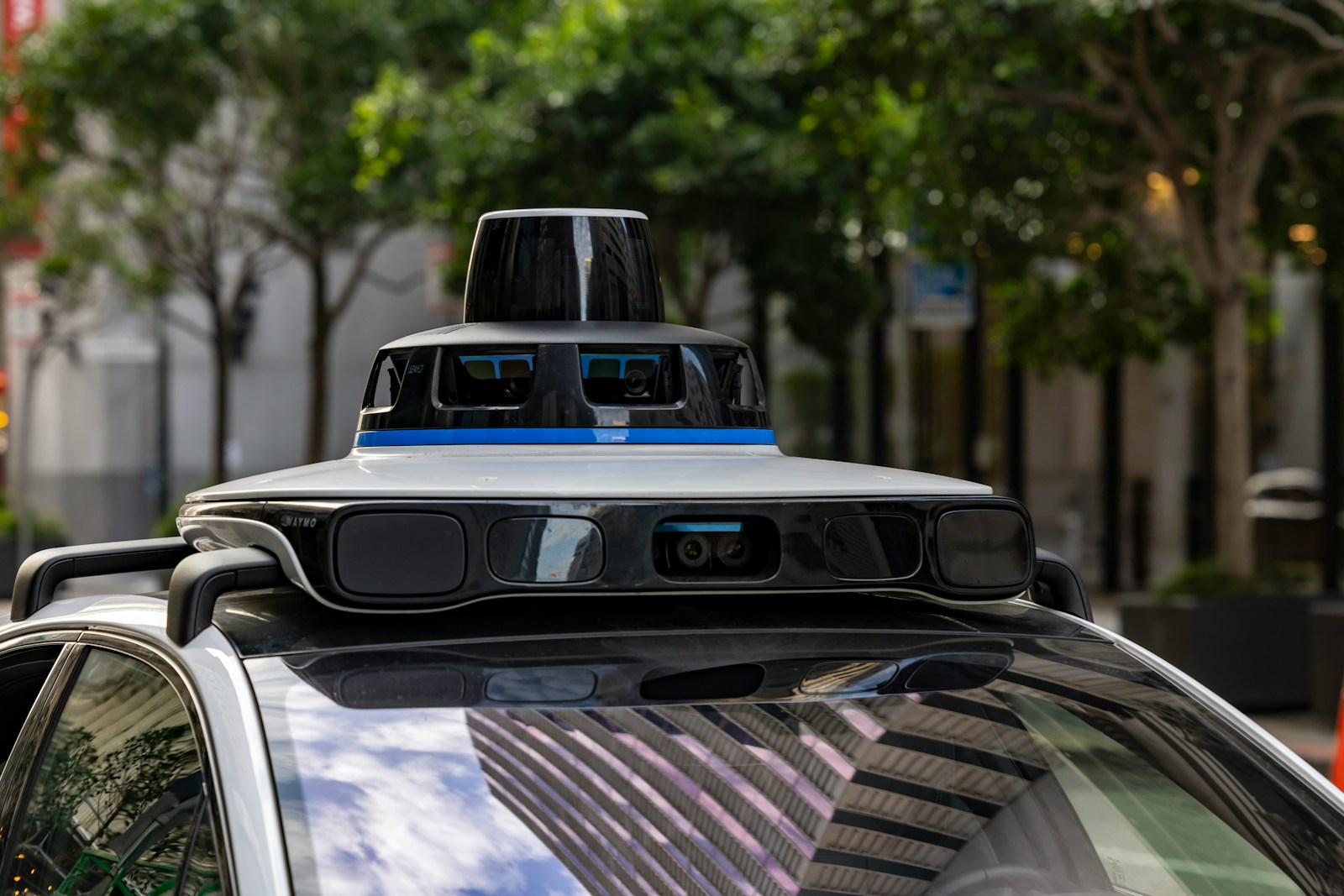

Nevada regulators unanimously approved permits allowing Tesla to run up to 5,000 robotaxis across Clark County, and Tesla stock climbed roughly 5% within days as the news landed alongside fresh momentum on the Semi truck program.
Key Points
- The Nevada Transportation Authority approved Tesla’s permit on August 20, 2026, according to TechCrunch’s reporting on the decision.
- Waymo and Uber received parallel approvals for 1,000 vehicles each in the same ruling, with Zoox separately permitted for 100 vehicles under an existing arrangement.
- Combined, the three approvals authorize up to 8,000 robotaxis operating in the Las Vegas area over the next 12 months.
- Tesla’s own chief engineer said the company realistically expects to deploy around 2,500 vehicles in year one, calling the 5,000 figure “a ceiling,” not a target.
The approval is a significant scale-up from where Tesla stood just weeks earlier. Nevada had granted the company a permit on July 27 covering just 10 fully autonomous vehicles, confined to a geofenced area with a 45 mph speed limit and no airport service. The August 20 decision replaces those tight limits with authorization for a fleet 500 times larger, though Tesla’s own engineering leadership has been candid that actual deployment will track well below the ceiling as the company scales its supervised and unsupervised autonomy stack in the real world.
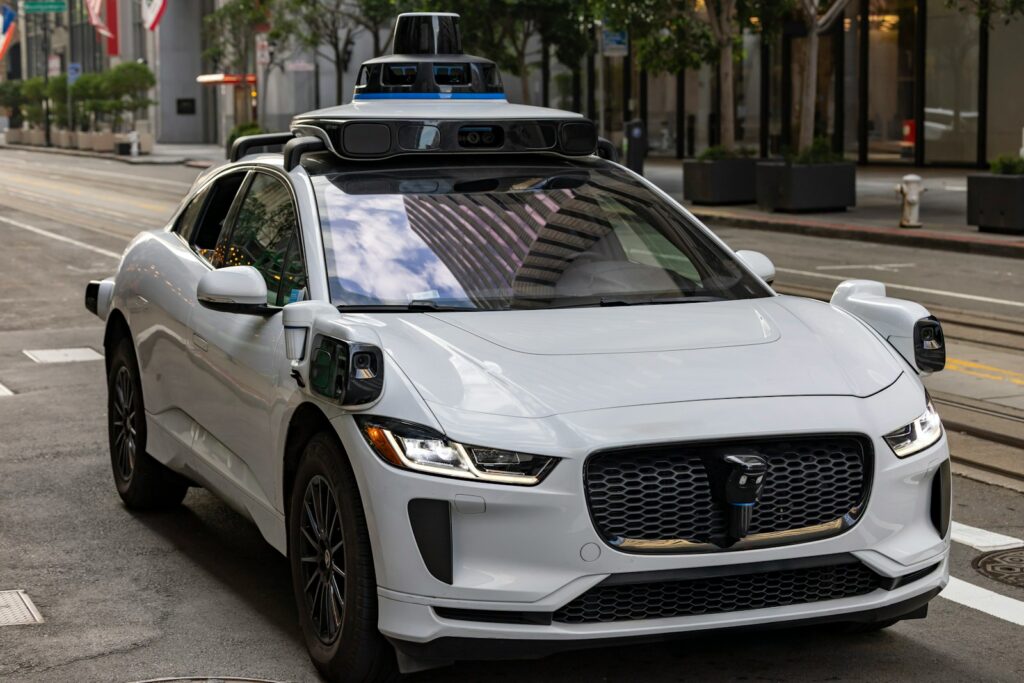
Tesla shares closed up nearly 5% on the week the robotaxi news broke, reaching roughly $362, according to Yahoo Finance, and the stock kept climbing through the following week as a second storyline developed: the Semi. Tesla is hosting an invite-only event on September 24 to mark the opening of a dedicated Semi factory, according to reporting from The Motley Fool, with factory tours and ride-alongs in an updated version of the electric truck planned for attendees.
The Semi’s production story has been slow-moving for years — Motley Fool’s reporting notes only a few hundred units had been delivered cumulatively before this year — but that changed meaningfully when logistics company Einride AB placed an order for 500 Semis, which by itself roughly triples the truck’s lifetime sales total. Tesla has since begun running Semis down a new high-volume production line, a shift from the effectively hand-built pace of earlier years.
Neither story fixes the Semi’s fundamental math problem on its own. The truck still carries a list price near $350,000 against roughly $165,000 for a comparable diesel semi, and fleet operators are still working through open questions on electricity costs at scale and driver familiarity with an electric heavy truck platform. What the market reaction suggests is that investors are pricing in the combination — a robotaxi fleet with real regulatory runway in a major market, paired with visible progress on a commercial vehicle program that had looked stalled.
For Las Vegas specifically, the practical result arrives faster than the market reaction did. With Tesla, Waymo, and Uber all cleared to operate in the same metro area, Clark County becomes one of the most competitive autonomous-ride markets in the country almost overnight, and the geofences, pricing, and vehicle counts each company actually rolls out over the next year will do more to settle the robotaxi question than any single regulatory approval could.