

Consumer Reports just published its 2026 Automotive Brand Report Card, built from survey data on hundreds of thousands of vehicles owned by its own members, and three brands sank far enough below the pack to reshape how you should shop this year. This isn’t a case of a couple of unlucky trim levels dragging down an otherwise solid lineup. Rivian, Ram, and Jeep separated themselves from the other 22 brands CR tracks by wide enough margins that the organization’s own engineers named the exact systems responsible instead of hiding behind vague “quality concerns” language. If you’re cross-shopping a full-size truck, an electric pickup, or a three-row SUV right now — or you already own one of these three brands — the specifics below are worth your time.
For contrast, Subaru topped the same report card for the second year in a row, and the gap between the top and bottom of the list is widening for a specific reason: Consumer Reports’ own analysis found that EVs and plug-in hybrids are now generating roughly 80 percent more reported problems than comparable gasoline-only vehicles. That single trend explains a lot about why two of the next three brands ended up where they did.
1. Rivian: battery and drive-unit failures the automaker still hasn’t solved
Rivian posted a reliability score of just 24 out of 100, the worst of any brand in this year’s report card, with the R1T pickup singled out as one of the least reliable vehicles CR tested at all. Consumer Reports’ own release ties the failure directly to “EV battery, charging, and drive systems” problems, the kind of failures that mean a dealer visit rather than a quick fix. What makes Rivian strange is the disconnect between that score and how owners feel about the trucks: repurchase intent sits at roughly 85 percent even as reported issues range from software glitches to owners needing entire battery and drive units replaced under warranty, according to reporting on the survey. Loyalty is covering for hardware that hasn’t matured.
2. Ram: an electrical system that keeps triggering recalls
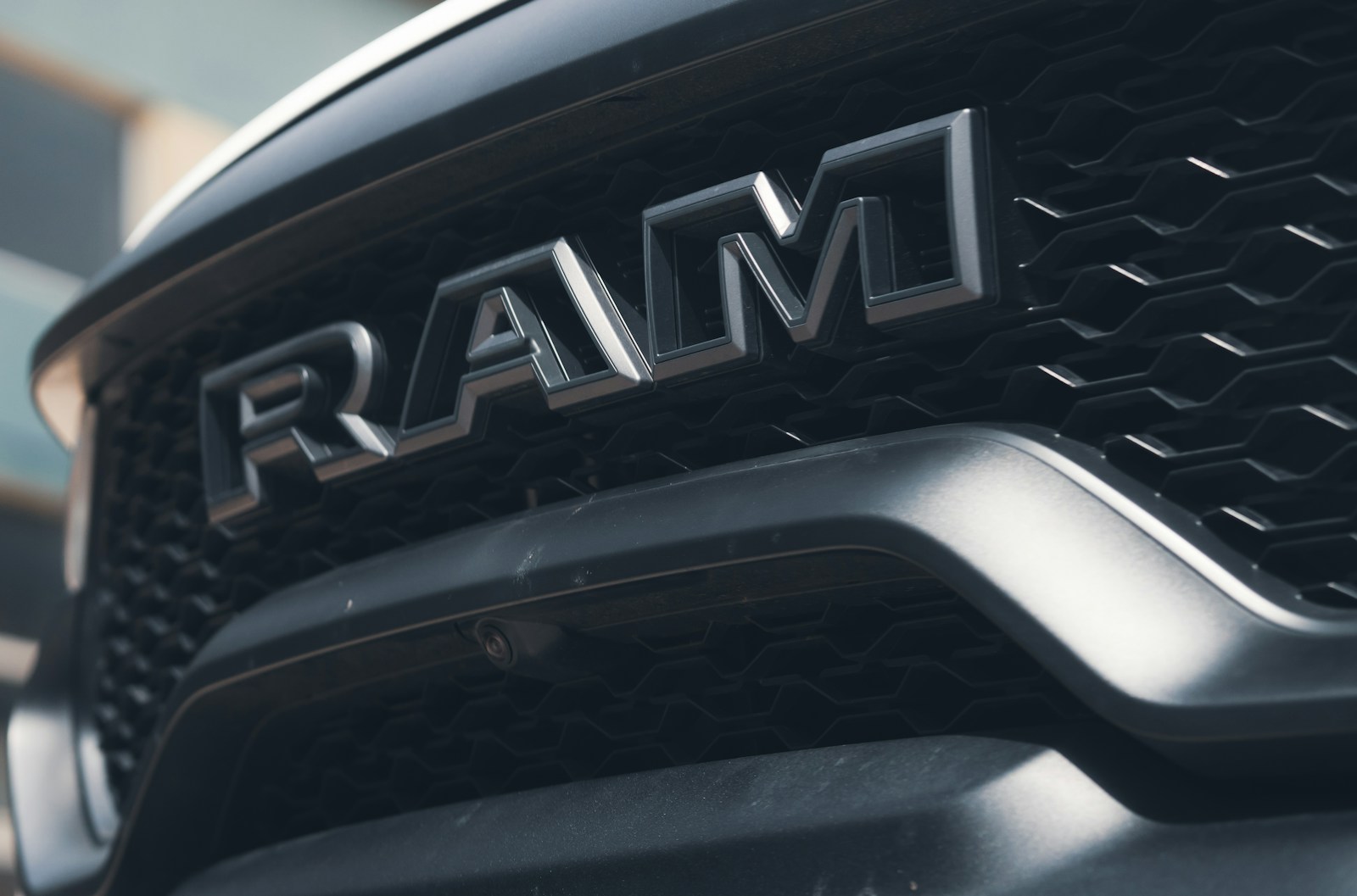
Ram landed at 26 out of 100, and Consumer Reports’ own reliability page for the 2026 Ram 1500 flags trouble across engine electrical components, transmission, drive system, and in-car electronics — not one weak spot but several compounding at once. That prediction lines up with what’s already showing up on the road: as of this past July, the 1500 was carrying five active recalls, including a software failure that can black out the instrument panel display, a trailer tow module malfunction, faulty headlight wiring affecting parking and daytime running lights, and a seat belt anchor issue. For a truck built to tow and haul daily, a dash that can go dark isn’t a nuisance-level complaint.
3. Jeep: dead last overall for the third year running
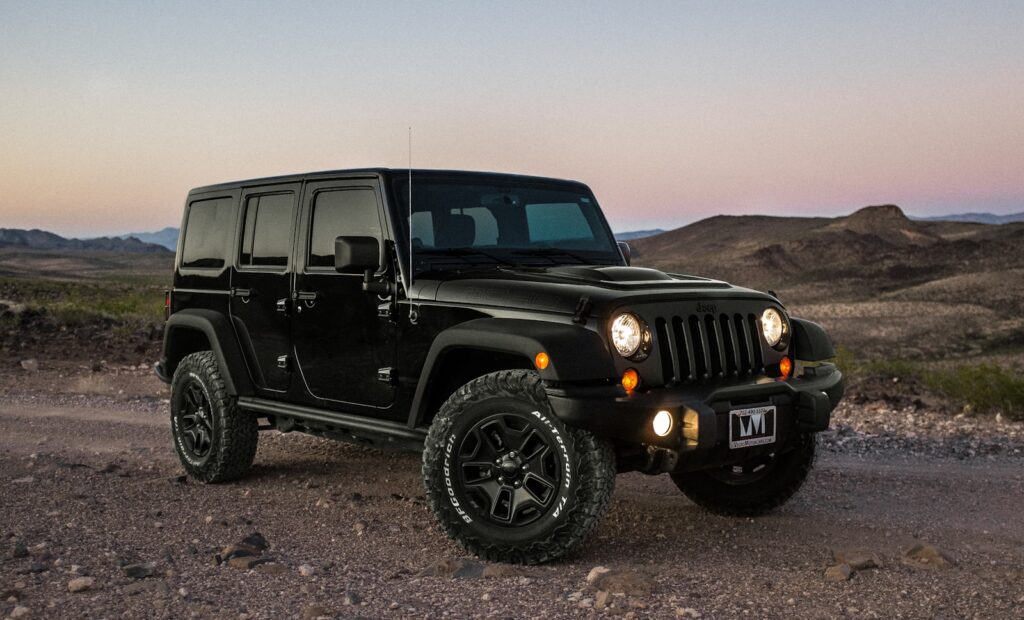
Jeep’s reliability score of 28 out of 100 is only part of the story. Consumer Reports put the brand in last place on its overall Brand Report Card — which blends reliability, road-test performance, and owner satisfaction — for the third consecutive year, stating plainly that Jeep is “dead last for the third year in a row due to below-average brand reliability, the lowest average road test score in CR’s testing, and the lowest scoring brand for owner satisfaction.” The Grand Cherokee 4xe plug-in hybrid is a big part of why: CR’s own model page notes a recall tied to a software error in the hybrid control processor that can cause a total loss of drive power, a fix that has touched roughly 91,787 vehicles. Losing propulsion on a plug-in hybrid isn’t a fringe complaint — it’s the powertrain failing at its one job.
Line up all three and a pattern falls out that has nothing to do with badge loyalty or brand history. Every one of these failures traces back to the newest, most software-dependent parts of the vehicle — battery packs, hybrid control units, drive-by-wire electronics, touchscreen-linked instrument clusters — rather than the traditional mechanical bits that used to be where reliability surveys found trouble. Buying a Hellcat or a base Wrangler with a stick and a solid axle used to mean you were opting out of that risk. In 2026, even the trucks and off-roaders you’d expect to be simple are carrying enough onboard computing that a bad software flash can park them just as fast as a blown head gasket used to. Subaru’s win, by contrast, came from doing the boring thing well — no unproven EV drivetrains, no hybrid control units still working out the bugs, just the same mechanical formula refined one more year.