
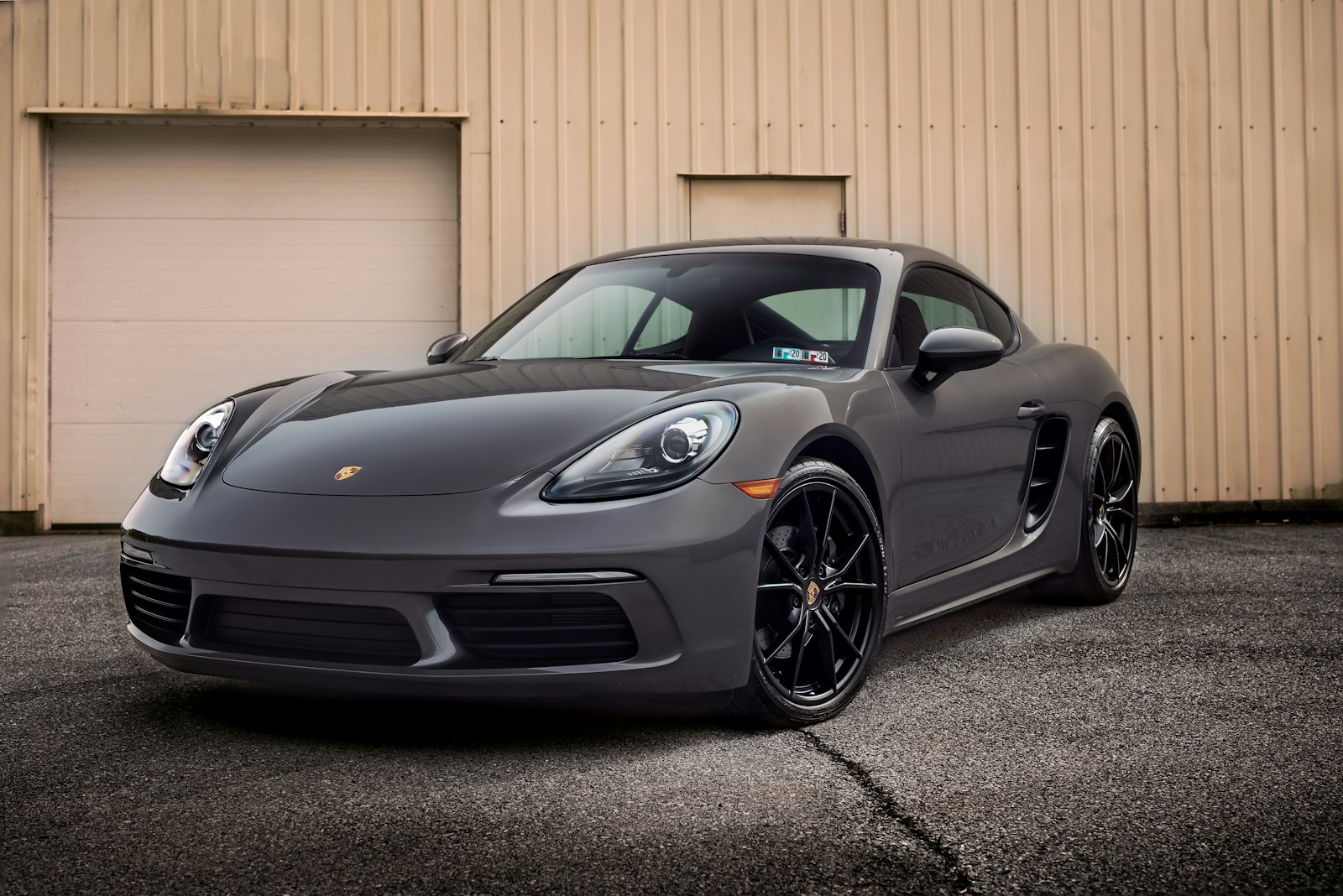

Dodge, Ford, and Chevy have spent decades selling the pony car as the attainable dream — a real V8 or a genuinely quick coupe that a twenty-something can actually afford and actually own, unlike a Corvette Z06 or a Porsche. That pitch works. It’s also colliding hard with what the Insurance Institute for Highway Safety’s own crash data shows about who ends up dying in these cars. IIHS just released fresh driver death rate research, and when you set it next to the organization’s long-running numbers on teen and young-adult drivers, the pony car segment looks like one of the worst possible matches between a vehicle’s capability and the experience level of the buyers it’s marketed toward.
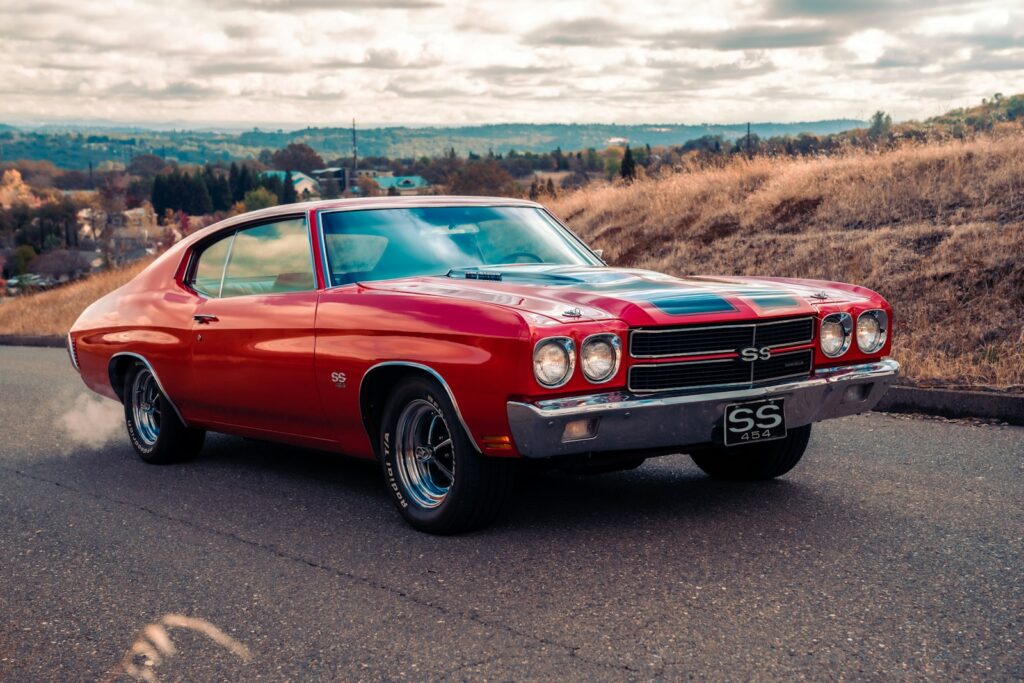
The models themselves already run hot
In its latest driver death rate report, IIHS found the Dodge Charger HEMI 2WD at 127 driver deaths per million registered vehicle years and the Dodge Challenger 2WD at 125 — both well above even the already-elevated category averages of 75 for large sports cars and 73 for midsize sports cars. The Chevrolet Camaro (88) and Corvette (82) also landed above their category norms, with the non-HEMI Charger 2WD close behind at 90. IIHS president David Harkey didn’t soften the explanation: “Powerful engines and marketing that attracts aggressive drivers is the issue for sports cars and muscle cars. They’re dangerous mainly because of how they’re driven,” he said, adding that while crashworthiness and avoidance tech matter, “a big part of how safe you are behind the wheel depends on how safely you drive.”
Now add drivers who are still learning where the limits are
Separately from the pony car numbers, IIHS’s own research on teen and young drivers shows the fatal crash rate per mile driven for 16-to-19-year-olds runs about three times the rate for drivers 20 and older; measured by police-reported crashes of all severities, the gap widens to more than four times. The same IIHS research counted 2,899 teenagers between 13 and 19 who died from crash injuries in the United States in 2024 alone — a baseline of risk that exists before you even factor in which specific car they’re driving. IIHS’s own research also credits graduated licensing programs with measurably lowering teen fatal crash rates in states that adopted stronger restrictions on nighttime driving and passenger limits, which reinforces how much of this risk comes down to seat time rather than the car alone. That teenagers research page states directly that insurance collision-claim analysis shows teen crash risk increases specifically “when teenagers drive sports cars or small vehicles” — which is exactly the category the highest-death-rate pony cars fall into. Put the two data sets together and the risk compounds rather than adds: a driver already carrying several times the baseline crash risk of an experienced adult, behind the wheel of the specific vehicles IIHS just flagged as running well above their own segment’s death rate.
Why the marketing and the physics work against young buyers specifically
Part of what makes a Challenger or Charger HEMI an appealing first serious car is exactly what makes it dangerous in inexperienced hands: a huge amount of torque available the instant you touch the throttle, in a chassis that’s heavy and long rather than nimble, riding on a suspension tuned more for straight-line composure than for bailing you out of a sudden correction. These are rear-wheel-drive cars with curb weights well north of two tons, which means the same power that feels exhilarating in a straight line can snap the rear end loose the moment a young driver panics mid-corner or hits the throttle too early coming out of a turn on a cold or wet road. A new driver hasn’t built the muscle memory to catch a slide or manage that much power modulating out of a wet on-ramp, and pony cars hand over more of that power, sooner, than almost anything else in reach of a first-job budget. That’s a different failure mode than a small economy car being unsafe because it’s light and offers less structure in a crash — IIHS’s own framing makes clear the muscle car problem is behavioral and power-driven, not a crashworthiness defect in the vehicles themselves.
None of this means a 22-year-old shouldn’t be allowed to buy a Mustang GT or a Challenger R/T. It means the same horsepower-per-dollar value that makes these cars attractive to a younger buyer is the variable IIHS’s own president just named as the actual danger — not the car’s structure, but how much power it hands to a driver who hasn’t yet had the years behind the wheel to know how to spend it.