
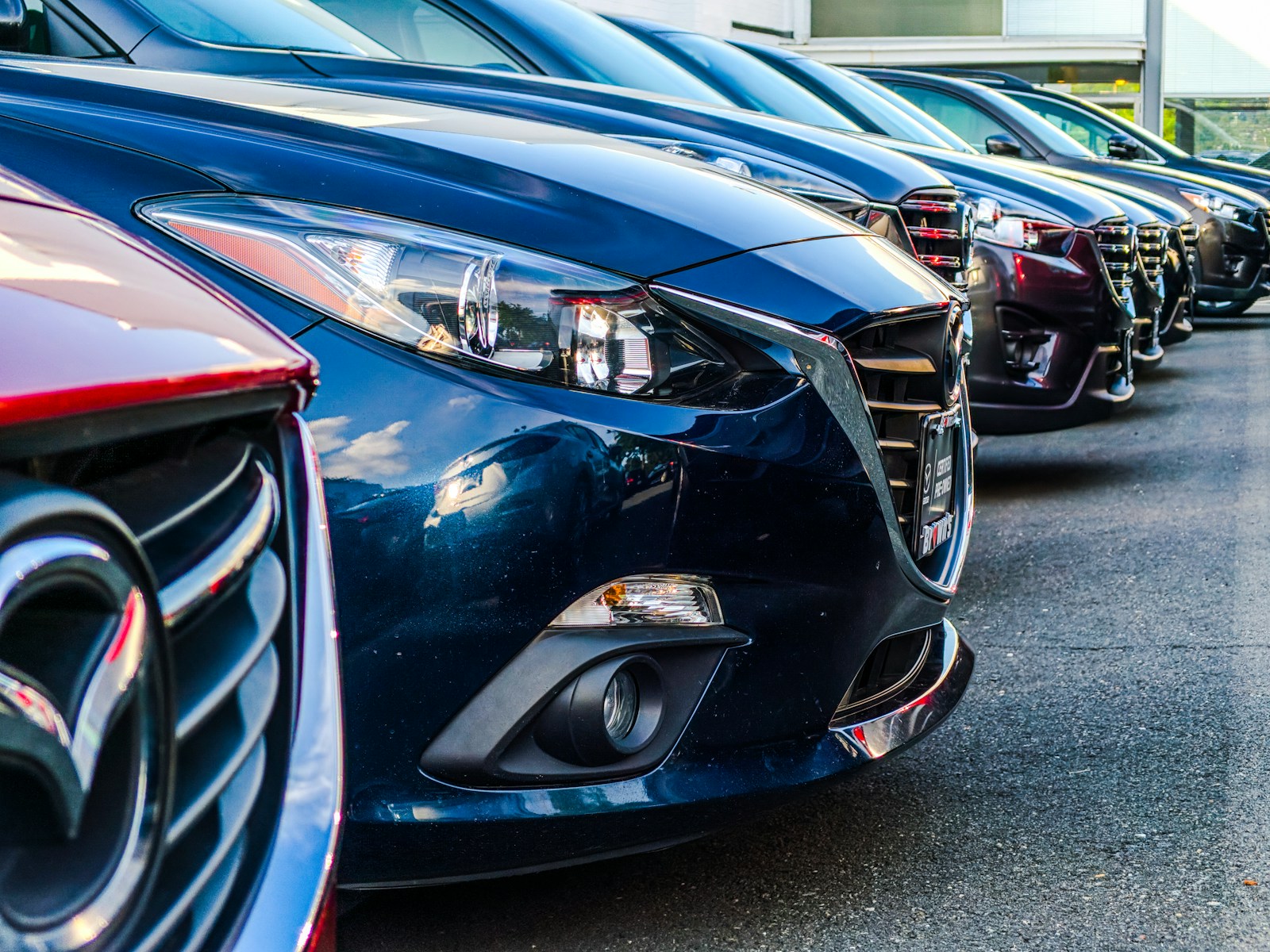

Look at any parking lot in America right now and you’re looking at a fleet that, on average, has been on the road for 12.8 years. That’s not a guess from a slow news week. It comes straight from S&P Global Mobility, the firm that tracks vehicle registrations for the entire industry, and it’s the latest mark in a climb that hasn’t stopped in years. Cars are lasting longer, new ones haven’t gotten any cheaper, and the ripple effects are touching everything from your local mechanic’s bay to the used sedan sitting on a dealer’s lot.
The Number Behind the Trend
S&P Global Mobility’s most recent published figure puts the average age of a light vehicle in operation on U.S. roads at 12.8 years, up from 12.6 years the year before and a new record. Break it down by vehicle type and the picture gets sharper: passenger cars now average 14.5 years old, while light trucks average 11.9 years, a gap that reflects how much longer sedans and coupes tend to stay registered once SUVs and trucks take over new-vehicle sales. The newest vehicle types on the road skew dramatically younger. Battery-electric vehicles average just 3.7 years old, plug-in hybrids average 4.9 years, and conventional hybrids average 6.4 years, simply because most of those vehicles haven’t existed long enough to age into the double digits yet.
New-vehicle registrations actually topped 16 million in 2024, the first time since 2019, yet the scrappage rate held flat at 4.5 percent. In plain terms, more new cars came onto the road at the same time old ones kept being kept, not junked, which is exactly how you get an average age that keeps climbing even in a year when sales rebounded.

Why Owners Are Holding On
The math driving this behavior isn’t complicated once you run it. A paid-off car with a few maintenance bills a year is, for most households, cheaper than taking on a new car loan at today’s interest rates, especially with vehicles built in the high-sales years of 2015 through 2019 now entering what the industry calls the prime maintenance-and-repair stage of their lives. That generation of vehicles was built in bigger volumes than almost any before it, and a large share of them are still on the road, still running, and still cheaper to fix than to replace.
What It’s Doing to the Repair Industry
Repair shops and parts suppliers are the clearest beneficiaries of a fleet that refuses to retire. S&P Global Mobility’s own analysis describes “a wave of service demand” hitting repair shops, parts suppliers, and service providers as millions of vehicles roll into the six-to-fourteen-year window where maintenance needs spike, from timing components to suspension work to the kind of electronics repairs that didn’t exist on cars built two decades ago. Research from CCC Intelligent Solutions, an insurance and collision-repair data firm, backs that up, pointing to “longer vehicle life; increasingly complex, costlier, and tech-driven repairs; more total losses, and cost inflation” as the fleet ages. Vehicles in that six-to-fourteen-year range are projected to make up roughly 70 percent of all vehicles in operation over the next five years, which is as close to a guarantee of sustained repair-shop demand as this industry gets.
The Used-Car Ripple Effect
An older fleet changes how used-vehicle pricing behaves, too. Cox Automotive’s Manheim Used Vehicle Value Index, the wholesale benchmark the industry watches most closely, showed values running about 2 percent higher in mid-July 2026 than the same point in 2025, even during the seasonal summer slowdown that usually drags prices down. Cox Automotive’s own chief economist, Jeremy Robb, noted that pricing patterns are showing “stronger pricing trends in older, more affordable units as strapped consumers look to offset higher prices” elsewhere in their budgets, meaning the oldest, cheapest vehicles on a used lot are holding value better than you’d expect precisely because more buyers can’t stretch to anything newer.
What This Means Going Forward
None of this is a temporary blip tied to one bad year of new-car prices. It’s a structural shift built on a decade of vehicles that were engineered to last longer, owned by households that increasingly can’t or won’t finance a replacement, and serviced by a repair industry that’s scaling up specifically to keep them running. The longer that 12.8-year average keeps climbing, the more the entire market around it reorganizes itself, from where automakers focus parts production to how dealers price trade-ins to how insurers model total-loss decisions. Hold onto your current car a while longer and you’re not an outlier bucking the market anymore. You’re the market.