
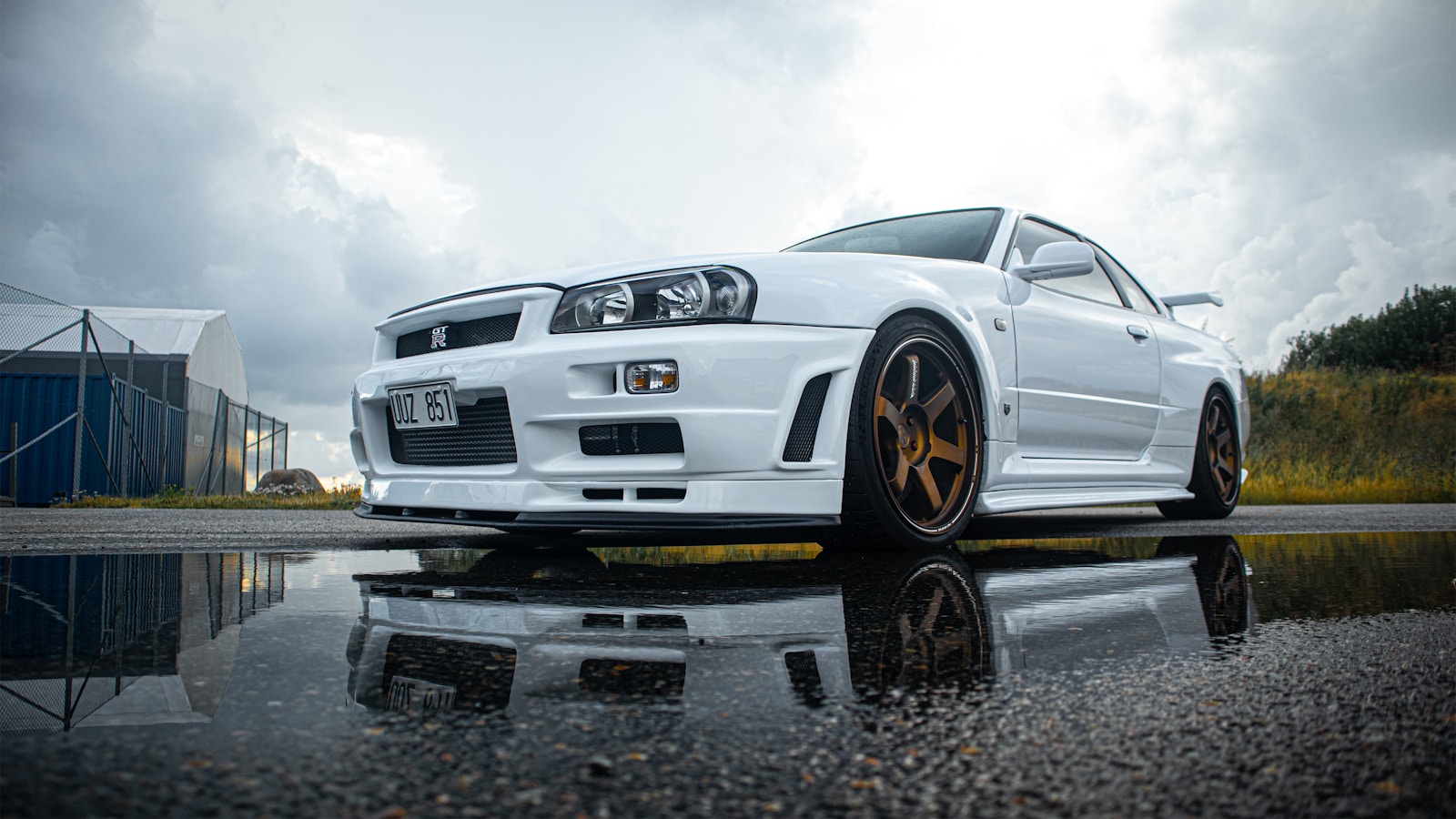

A clean 1995 Nissan Skyline GT-R now carries an average insured value north of $82,000, more than most buyers spend on a fully loaded new truck. A 1990 Chevrolet 454 SS pickup, the kind of thing that used to sit unloved at truck auctions, is averaging nearly $60,000. None of that made sense a decade ago, when these cars were the punchline at any serious classic car show. Hagerty, the company that insures more collector vehicles than anyone else in the country, has been tracking the shift for years, and its own data shows the so-called “Radwood” era of 1980s and 1990s cars isn’t a niche fad anymore. It’s become one of the more durable growth stories in the entire collector market.
The Dollar Figures Behind the Hype
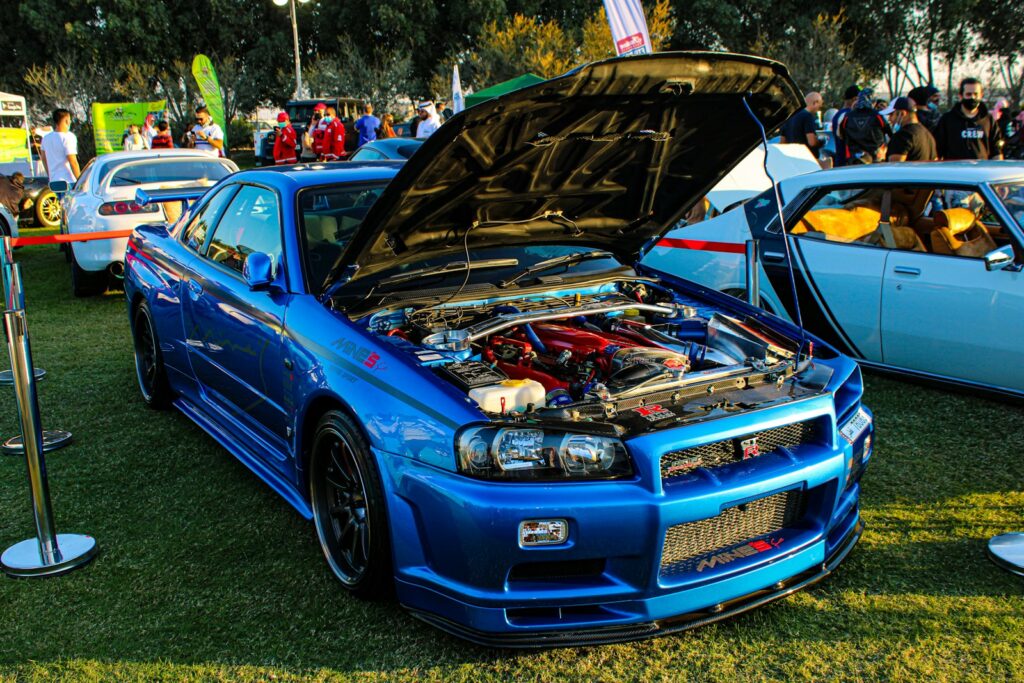
Hagerty’s 2026 Bull Market List, published in December 2025, put real numbers behind cars that used to get dismissed as junk-era relics. The 1990-1993 Chevrolet 454 SS now averages $59,800 in insured value, and Hagerty’s own data shows average insured values for the model climbing 57 percent since 2021 alone, a growth rate most blue-chip stocks would envy. The 1995-1998 Nissan Skyline GT-R averages $82,350, a figure that reflects both its cult status from Japanese car culture and the fact that federally legal, U.S.-titled examples remain genuinely scarce. Even the humbler entries are moving: the 1981-1993 Dodge Ramcharger now averages $25,300, the 1995-1998 Volkswagen Golf GTI VR6 sits at $20,000, and the 1999-2005 Mazda MX-5 Miata, hardly an exotic, still commands $16,600 on average. Larry Webster, Hagerty’s senior vice president of media, summed up the moment simply: “No matter your budget, it’s never been easier to get into an enthusiast car you truly love.”
The Index That Proves It’s Not a Fluke
A handful of headline sales could be explained away as one auction getting lucky. Hagerty’s RADindex, a tracking tool built specifically to measure the 1980s-and-1990s enthusiast segment, says otherwise. The index’s own data shows the average value of the vehicles it tracks at $72,876, up from $22,652 just five years earlier, a 70 percent increase that outpaced the S&P 500 over the same stretch. John Wiley, manager of valuation analytics at Hagerty, tied the trend to more than nostalgia: “Reliability, usability and performance make RAD-era cars appealing across demographics,” he said, noting these vehicles have “found their place even on the most respected show fields in the world, including Pebble Beach Concours d’Elegance,” a venue that spent decades reserved almost exclusively for pre-war classics and European exotics.
Who’s Actually Buying These Cars
The buyer data undercuts the easy assumption that this is all young collectors chasing childhood posters. Hagerty’s own research identifies Generation X, buyers roughly 45 to 61 years old today, as the fastest-growing segment in the collector market, a group now catching up to and in some categories surpassing baby boomers, who dominated collector-car buying for decades. Millennials remain a smaller slice of the market than you’d expect given how loudly online car culture skews young; Hagerty’s analysts note millennials “barely have a larger share than their grandparents.” The pattern by model tells its own story: millennials cluster around cars like the Nissan Skyline GT-R that defined their teenage years through video games and import culture, while baby boomers still gravitate toward 1980s and 1990s Porsche 911s, proving nostalgia isn’t generation-specific so much as tied to whatever a buyer was staring at when they were seventeen.
Why Radwood Culture Caught On
The term “Radwood” comes from a car show series built entirely around 1980s and 1990s vehicles, deliberately excluding the pre-war and muscle-car classics that used to define “collectible.” What started as a niche gathering for people who grew up with Fox Body Mustangs and boxy Japanese coupes turned into a genuine market signal once insurers and auction houses started seeing real transaction volume behind it. Buyers in their prime earning years, largely Gen X, are chasing cars that are simple enough to maintain without a specialist shop, cheap enough to actually drive rather than trailer, and rare enough now that clean examples keep shrinking in supply every year.
That combination is exactly what turns “unwanted used car” into “appreciating collectible,” and it’s why the numbers behind this shift look less like a fad and more like a market finally catching up to a generation of buyers who never stopped wanting these cars in the first place.