
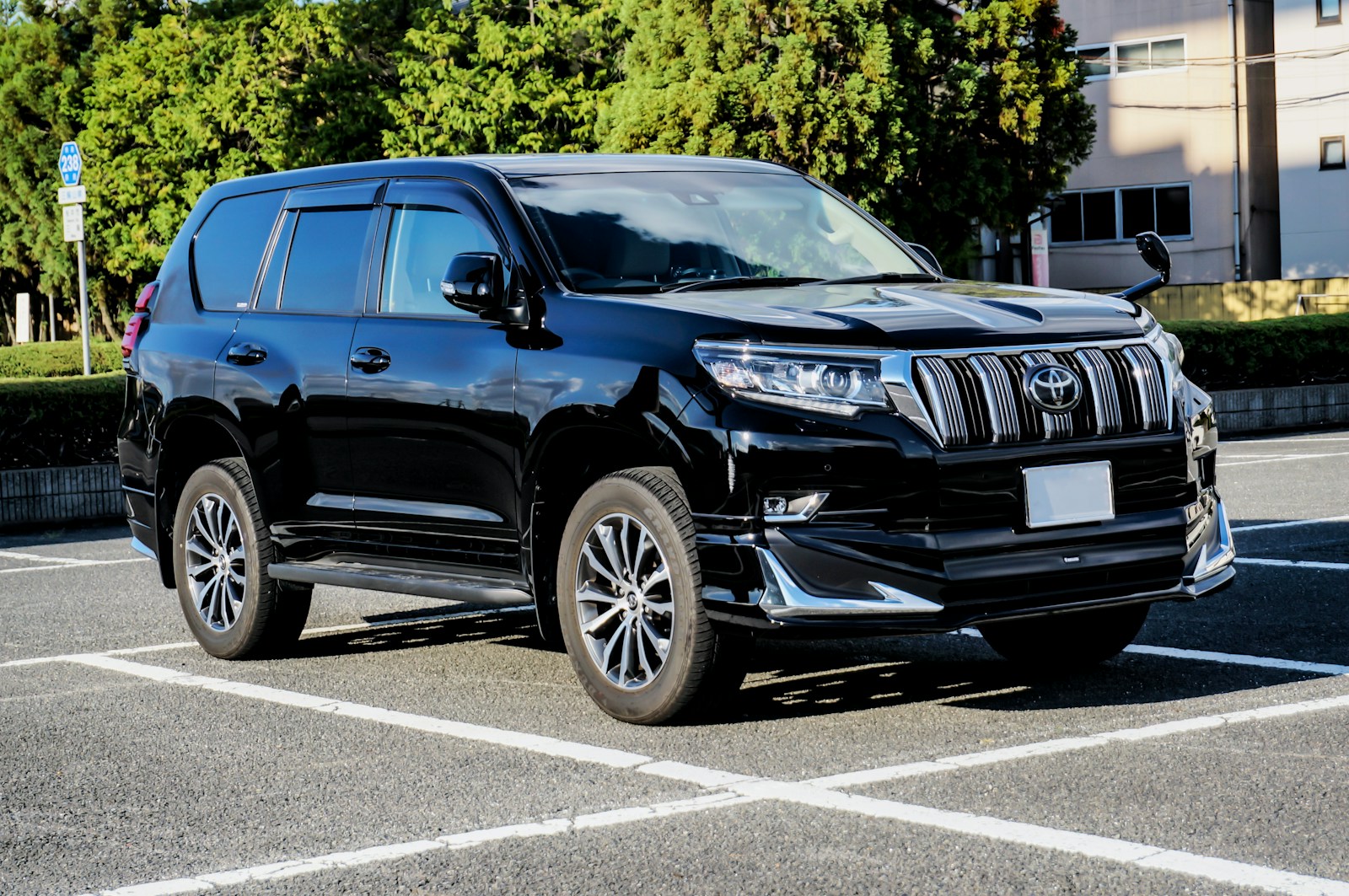

Zero. That’s how many Toyota-brand SUVs appear on the Insurance Institute for Highway Safety’s current 2026 Top Safety Pick and Top Safety Pick+ list, across every size class the agency tracks. The 4Runner isn’t there. Neither is the Highlander, Grand Highlander, Sequoia, Land Cruiser, or any of Toyota’s bZ electric SUVs. The only Toyota-brand vehicles that made the cut anywhere on the list are the Prius hatchback, the Camry sedan, and the Tundra crew-cab pickup — not one crossover or SUV among them. For a brand whose entire market identity is built on being the safe, sensible, dependable default, that’s a strange place to end up.
It’s One Test, and It’s About the Back Seat
The culprit isn’t a single design flaw so much as a single updated test criterion. IIHS toughened its moderate overlap front crash evaluation to specifically score how well a vehicle protects rear-seat passengers, and according to Cars.com’s reporting from August 2026, the 4Runner, Highlander, Land Cruiser, and Sequoia all came up short on it. The specific failure mode is called submarining, where a second-row occupant’s lap belt slides up off the pelvis and onto the soft abdomen during a frontal impact instead of staying locked against the hip bones — precisely the kind of injury a properly designed restraint system is supposed to prevent. IIHS didn’t leave much room for interpretation on how close some of these vehicles came: the agency told Cars.com directly that “the 2026 Highlander and Corolla Cross would earn 2026 Top Safety Pick awards if not for coming up short in the updated moderate overlap test,” meaning Toyota isn’t failing this test by a wide margin. It’s failing it by exactly the margin the new criteria were designed to catch.
The Grand Highlander tells a different version of the same story. It actually passed the updated moderate overlap test, according to Cars.com, but got disqualified anyway after coming up short in the separate small overlap front test — meaning Toyota’s three-row crossover lineup is currently batting zero for two on IIHS’s two front-crash evaluations, just for different reasons on different models.
Toyota’s Electric SUVs Have a Completely Different Problem
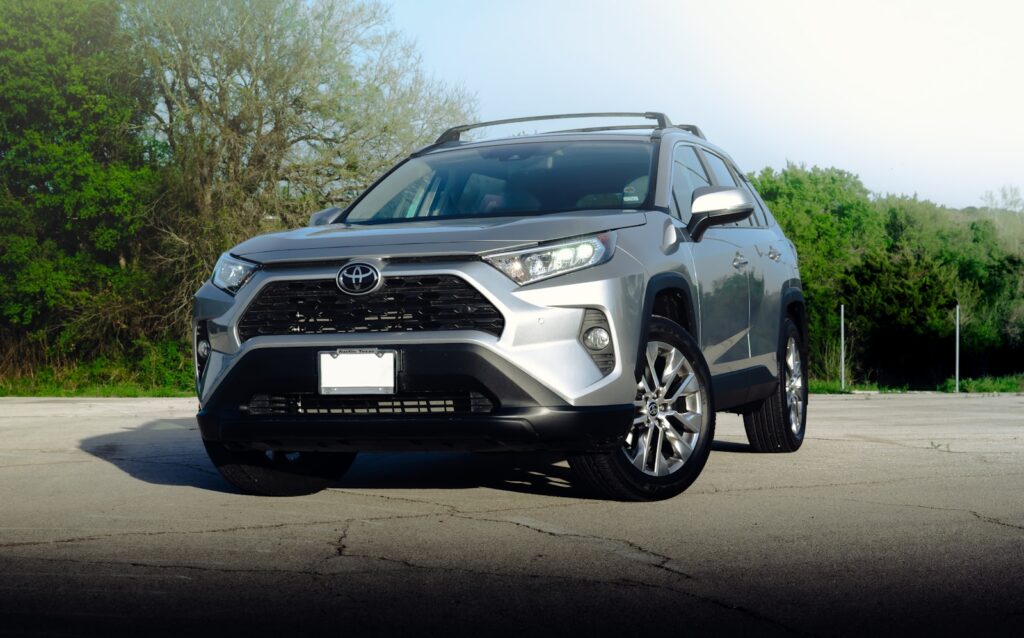
The bZ, bZ Woodland, and C-HR didn’t get shut out over crash structure at all — they got dinged on headlights. Cars.com reports IIHS found “insufficient roadway visibility, not excessive glare for other drivers” in its headlight evaluation of Toyota’s electric models, which is its own award-killing category independent of how the vehicle performs in a crash test. A car can ace every barrier test IIHS runs and still miss Top Safety Pick+ if its headlights don’t light up the road adequately at night, and Toyota’s EV lineup is currently getting caught on that exact criterion.
The Corolla Cross Actually Had This Award, Briefly
Here’s the wrinkle that makes this a moving target rather than a flat failure: IIHS’s own October 2025 announcement listed the 2025-26 Toyota Corolla Cross as a Top Safety Pick winner in the small SUV class. By the time Cars.com checked in this August, the Corolla Cross no longer had that award for the 2026 model year specifically — knocked off by that same tightened moderate overlap standard. IIHS periodically raises its bar and re-tests running production, and Toyota’s compact crossover went from “winner” to “so close it’s mentioned by name as a near-miss” without changing a single bolt on the car itself; the goalposts moved instead.
Toyota isn’t limping through this quietly, either — the situation has held steady for most of the year. CBT News reported back in March 2026, when IIHS had named 63 total 2026 award winners across the industry, that Toyota’s only two winners at that point were the Camry and the Tundra — the same two non-SUVs still carrying the brand five months later. IIHS president David Harkey made a related point in that same reporting about minivans, which also got shut out entirely in 2026 over rear-seat protection, telling reporters that “minivans continue to struggle to protect rear-seat passengers” and suggesting families consider SUVs instead. The irony is that Toyota’s own SUVs are currently failing that exact rear-seat test too.
None of this means Toyota builds unsafe vehicles in any broad sense — the brand’s reputation for durability and low long-term defect rates comes from an entirely different body of evidence than a single crash-test protocol. But reputation and this particular data set are measuring different things, on different timelines, and IIHS just proved that a brand can hold onto one while briefly losing the other. A one-point rear-seat belt geometry issue, replicated across four separate SUV nameplates, was enough to erase Toyota’s entire SUV presence from the list Toyota has spent decades being associated with in the first place.