
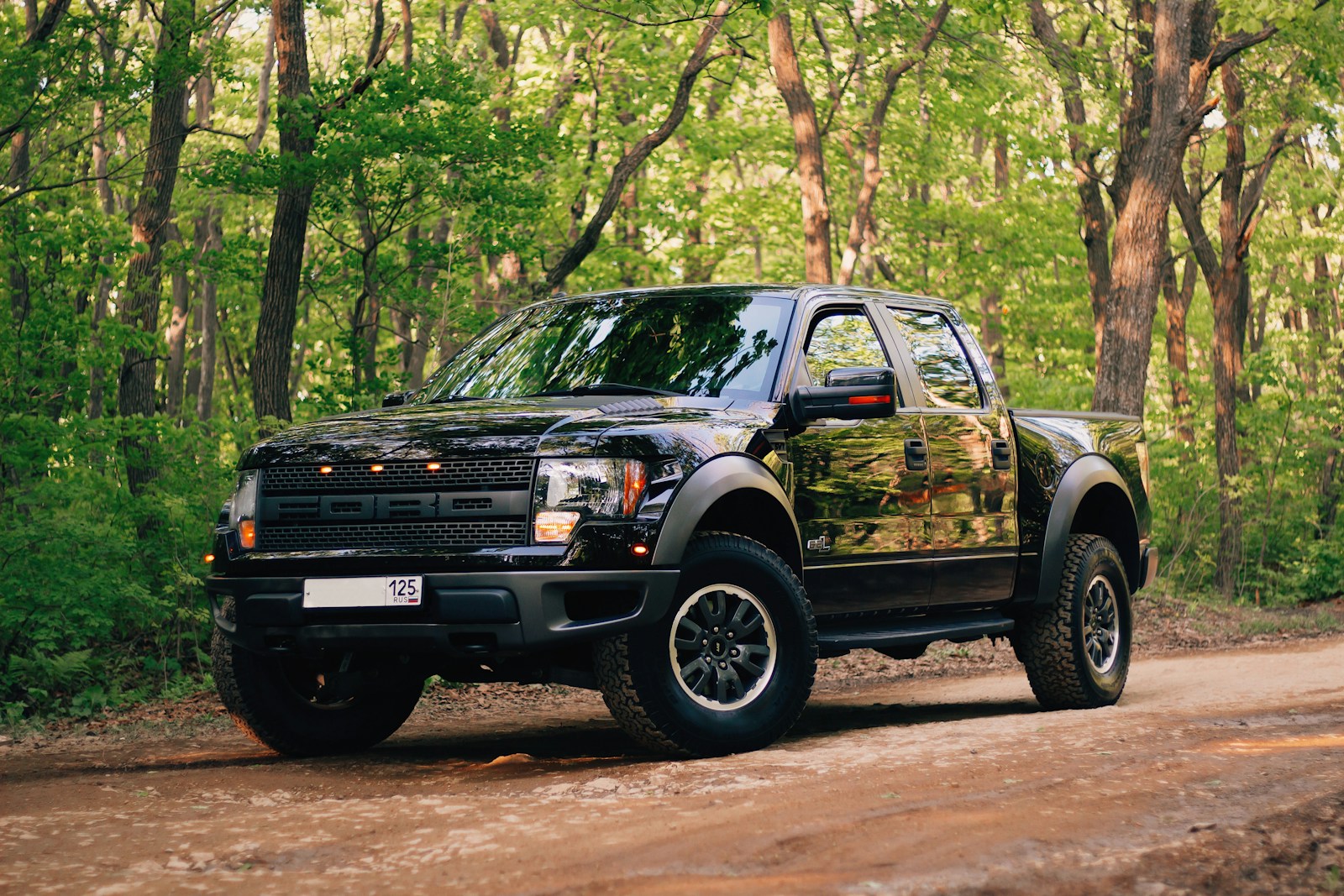

Buy a new pickup truck in 2026 and the window sticker will sell you on towing numbers, bed length, and off-road drive modes. What it won’t tell you is whether you’ll actually be able to see the road at night. The Insurance Institute for Highway Safety runs its own headlight test on every truck it evaluates, and the results expose a gap between marketed toughness and basic nighttime visibility that most buyers never think to check. Some trucks light up a dark two-lane road properly. A lot of them, including some of the best-selling names in America, don’t.
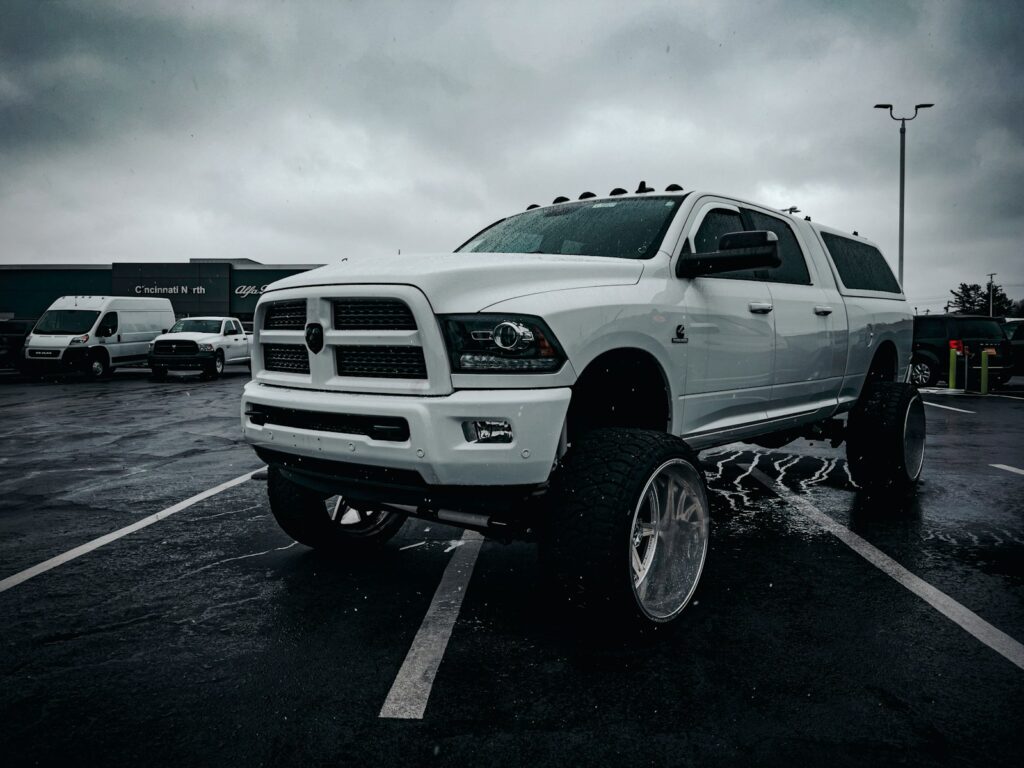
What the Test Actually Measures
IIHS explains its own methodology in plain terms: engineers drive each vehicle over five approaches — a straightaway, gradual curves left and right, and sharp curves left and right — running each one three times with low beams and three times with high beams. Illumination has to reach at least 5 lux of brightness measured 10 inches off the ground to count, and the straightaway demands a longer reach than the curves do, since a driver has more time to react to something in a curve than something dead ahead at speed. At the same time, IIHS measures glare thrown at oncoming drivers, checked at a height of 3 feet 7 inches, because a headlight that blinds the other guy isn’t actually safer for anyone. Trucks with more than one available headlight setup get separate ratings for each one, and vehicles with automatic high-beam assist get a break on their low-beam demerits since the system is supposed to compensate.
Who Passed and Who Didn’t
The results, published in IIHS’s large pickup class summary, aren’t close. The Tesla Cybertruck crew cab earned a flat Good rating, and the Ford F-150 extended cab did too. The Toyota Tundra, Ford F-150 crew cab, and Ram 1500 crew cab all landed in Good-to-Acceptable territory depending on trim and headlight package. Then there’s the Chevrolet Silverado 1500 crew cab, which rated flatly Poor, and the GMC Sierra 1500, which IIHS hasn’t tested at all. Move down to small and midsize pickups and it gets worse. The Hyundai Santa Cruz rated Good. The Honda Ridgeline came back Marginal. The Jeep Gladiator landed Marginal to Poor depending on trim, and the Chevrolet Colorado, like its GMC cousin, hasn’t been tested at all. The Ford Ranger and Nissan Frontier both sit in Acceptable-to-Marginal territory, which is IIHS-speak for “fine on some trims, not on others.”
The bigger picture is even starker than any single truck’s score. IIHS’s own 2026 Top Safety Pick list includes exactly two pickup trucks: the Tesla Cybertruck crew cab and the Toyota Tundra crew cab. Everything else in the segment, from the Silverado to the Ram to the Ridgeline, failed to clear the combined crashworthiness, headlight, and front crash prevention bar that award requires. As Equipment World noted in its rundown of the award list, several of the country’s top-selling trucks simply didn’t make the cut, and every small pickup on the market came up short entirely.
The Gap Between Rugged and Visible
This is the part that should bother anyone shopping a truck for the reasons trucks get marketed: hauling a trailer at night, running a job site before sunrise, covering long rural highway miles where deer step out of the tree line without warning. A Poor headlight rating doesn’t mean the truck can’t tow or won’t survive a crash. It means that on a dark road, the low beams aren’t reaching far enough to give you real reaction time, and IIHS’s crash data backs up why that matters — the agency has spent years building the headlight test specifically because nighttime crash rates track closely with how far a vehicle’s headlights actually reach and how much they blind everyone coming the other way.
None of this shows up in a brochure, a dealership walkaround, or a YouTube tow test, and truck marketing has never been shy about leaning on toughness and capability over the boring stuff like whether you can see a pothole at 60 mph in the dark. IIHS built this test precisely because that gap exists, and the 2026 results make clear it hasn’t closed. If you’re cross-shopping a full-size or midsize truck this year, the spec sheet that actually matters after dark isn’t the one on the automaker’s website. It’s the one IIHS already published for free.