

As car technology advances, some of the features we once thought were cool have disappeared. These features, often unique to a certain make or model, gave the car a distinctive feel and character. Nowadays, many have been replaced by superior technology or phased out due to practicality and safety concerns. But, for car enthusiasts, these are features that are missed, and they bring a sense of nostalgia. Let’s take a look at 15 of the coolest car features that no longer exist.
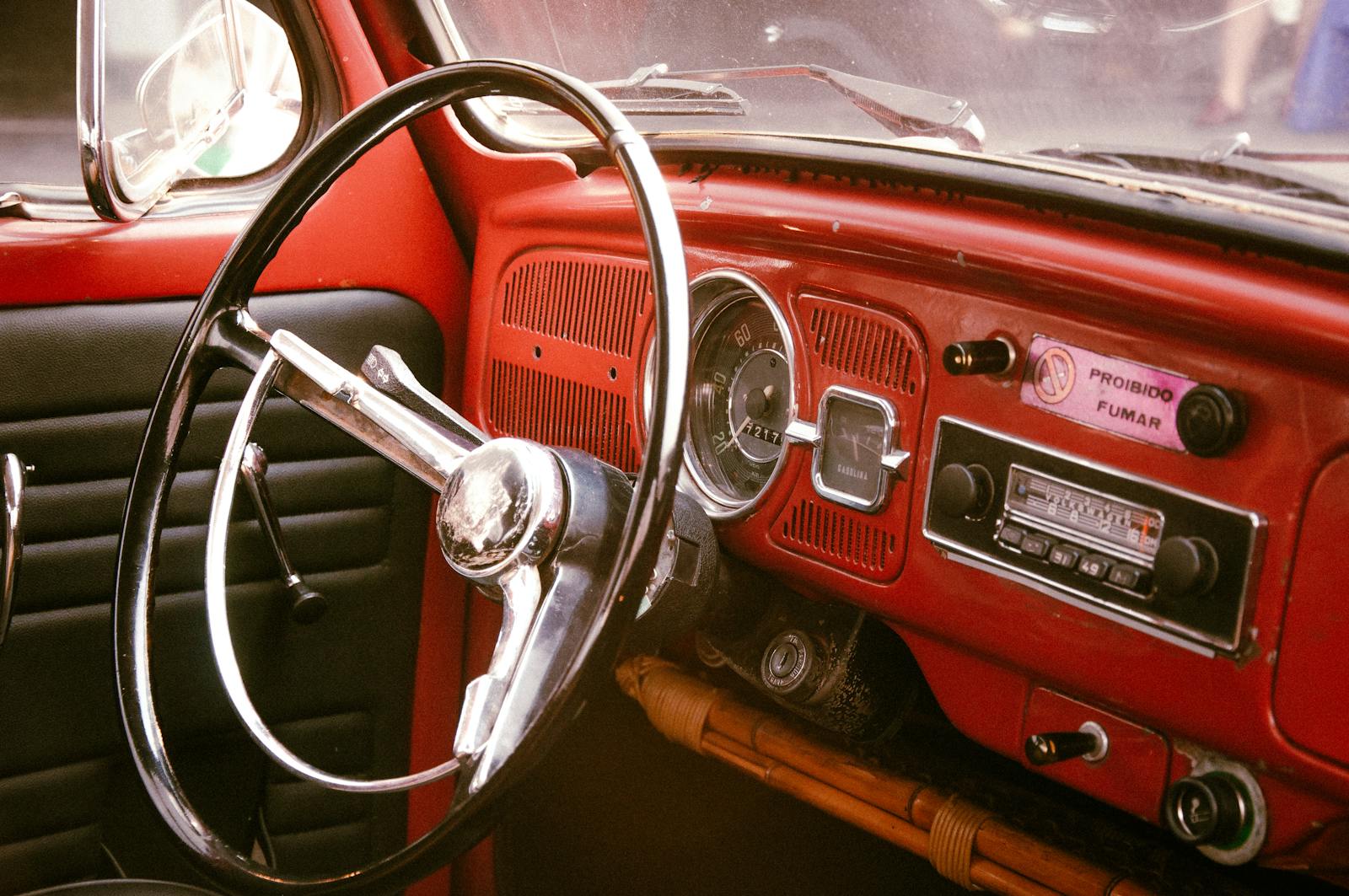
1. Pop-Up Headlights
Pop-up headlights were a common feature on sports cars of the 1960s through to the 1990s. They were sleek, aerodynamic, and added a sense of charm to the vehicle. However, they’ve been phased out due to pedestrian safety concerns and the added complexity in design and maintenance.
One of the most iconic cars with pop-up headlights was the 1991 Mazda MX-5 Miata. When the headlights were not in use, they were hidden within the body of the car, contributing to the car’s smooth, streamlined appearance. However, when they were needed, they would pop up to illuminate the road ahead.
2. Bench Seats
Bench seats were a staple in American cars from the 1950s to the 1970s. They allowed for a cozy, intimate seating arrangement, and also made it possible to fit three people in the front row. However, they have been replaced by bucket seats for better comfort and safety.
One of the last cars to feature a bench seat was the 2013 Chevy Impala. The bench seat was an option for those who wanted a taste of the past, but the design was not as popular as it had been in previous decades. Now, bench seats are a thing of the past, mostly found in vintage cars.
3. Manual Window Cranks
Manual window cranks used to be the norm in cars. They were simple, reliable, and gave passengers a bit of a workout. However, they’ve been replaced by power windows for the sake of convenience.
Manual window cranks were a standard feature in cars until the late 1990s. They were sturdy and rarely broke down, unlike power windows which can sometimes malfunction. However, the convenience of being able to open and close windows with the push of a button has led to the demise of manual window cranks.
4. Column-Shift Manual Transmission
The column-shift manual transmission, also known as “three on the tree”, was a type of manual transmission where the shifting lever was located on the steering column. This allowed for more space in the front seat, but has been replaced by floor-shift transmissions for easier operation.
Column-shift manual transmissions were a common feature in American cars from the 1940s to the 1970s. They were simple to use and allowed for a bench seat in the front, but they could be tricky to operate, especially for those not familiar with the layout.
5. Hood Ornaments
Hood ornaments were a stylish feature that added a touch of class and elegance to vehicles. They were often an indicator of the car’s make and model, and some were even works of art in their own right. However, they’ve been phased out due to safety concerns and changing aesthetic tastes.
Hood ornaments were particularly popular in the 1930s and 1940s, with luxury car manufacturers such as Rolls-Royce and Jaguar featuring intricate designs. However, modern vehicles have adopted a more streamlined, minimalist aesthetic, and hood ornaments are now mostly found on vintage cars.
6. Ashtrays and Lighters
Ashtrays and lighters were once a standard feature in cars, reflecting the popularity of smoking at the time. However, as smoking has become less socially acceptable, and with the rise of smoke-free laws, these features have been phased out.
Ashtrays and lighters were a common feature in cars until the late 1990s. They were located in the center console and were often accompanied by a cigarette lighter. However, as more and more people have quit smoking, and with the rise of electronic cigarettes, these features have become obsolete.
7. Analog Clocks
Analog clocks were a common feature in cars, often located on the dashboard. They added a touch of class and sophistication to the vehicle’s interior. However, they’ve been replaced by digital displays for better visibility and accuracy.
Analog clocks were a standard feature in cars until the late 1990s. They were often paired with a radio and were a stylish addition to the car’s interior. However, as technology has advanced, digital displays have become the norm, providing drivers with more accurate timekeeping and a more modern aesthetic.
8. Vent Windows
Vent windows, also known as wing windows, were small, triangular windows located at the front of the car’s side windows. They allowed for better ventilation and could be adjusted to direct airflow. However, they’ve been replaced by air conditioning systems for better climate control.
Vent windows were a common feature in cars until the 1980s. They were a simple, effective way of improving ventilation in the vehicle, particularly in the days before air conditioning became commonplace. However, as air conditioning systems have become more efficient and affordable, vent windows have become a thing of the past.
9. Metal Keys
Metal keys were once the only way to unlock and start a car. They were simple and reliable, but could be easily lost or stolen. Nowadays, they’ve been replaced by keyless entry systems for better security and convenience.
Metal keys were a standard feature in cars until the late 1990s. They were often attached to a keyring and had to be inserted into the ignition to start the car. However, with the rise of keyless entry systems, which allow you to unlock and start your car with a fob or even your smartphone, metal keys have become obsolete.
10. Hardtop Convertibles
Hardtop convertibles were a popular feature in cars from the 1950s to the 1970s. They provided the best of both worlds: the style and freedom of a convertible, and the comfort and security of a hardtop. However, they’ve been replaced by soft-top convertibles for better practicality and cost-effectiveness.
Hardtop convertibles were particularly popular in the 1960s, with models like the Ford Skyliner and the Mercedes-Benz SL leading the way. They were stylish and versatile, but they were also complex and expensive to produce. As a result, they’ve been phased out in favor of simpler, more affordable soft-top convertibles.
11. Vinyl Roofs
Vinyl roofs were a stylish feature that added a touch of luxury to vehicles. They were often paired with a hardtop body style, and were particularly popular in the 1960s and 1970s. However, they’ve been phased out due to maintenance issues and changing aesthetic tastes.
Vinyl roofs were often found on luxury cars, such as the Cadillac Eldorado and the Lincoln Continental. They were a stylish addition, but they required regular maintenance to prevent cracking and fading. As a result, they’ve been replaced by painted roofs, which are more durable and easier to maintain.
12. Full-Size Spare Tires
Full-size spare tires were once a standard feature in cars, providing drivers with a convenient solution in case of a flat tire. However, they’ve been replaced by compact spare tires, also known as “donut” tires, for better space efficiency.
Full-size spare tires were often stored in the trunk of the car, and could be used to replace a flat tire without affecting the car’s performance. However, as cars have become more compact and space-efficient, there’s less room for a full-size spare tire. As a result, most cars now come with a compact spare tire, which is smaller and lighter, but not intended for long-term use.
13. Cassette Players
Cassette players were once a standard feature in cars, allowing drivers to listen to their favorite music on the go. However, they’ve been replaced by CD players, and more recently, Bluetooth and USB connectivity for better sound quality and convenience.
Cassette players were a common feature in cars until the late 1990s. They were simple to use and allowed drivers to bring their own music with them. However, as technology has advanced, they’ve been replaced by more modern audio systems, which offer better sound quality and more options for music playback.
14. Landau Tops
Landau tops were a stylish feature that added a touch of elegance to vehicles. They were often found on luxury cars, and were particularly popular in the 1970s and 1980s. However, they’ve been phased out due to maintenance issues and changing aesthetic tastes.
Landau tops were often made of vinyl and featured a simulated convertible top, complete with decorative “bows”. They were a stylish addition, but they required regular maintenance to prevent cracking and fading. As a result, they’ve been replaced by painted roofs, which are more durable and easier to maintain.
15. Carburetors
Carburetors were once a key component in cars, responsible for mixing air and fuel for the engine. However, they’ve been replaced by fuel injection systems for better efficiency and performance.
Carburetors were a standard feature in cars until the 1980s. They were simple and reliable, but they were not as efficient or precise as modern fuel injection systems. As a result, they’ve been phased out in favor of more advanced technology, which offers better fuel efficiency and performance.