
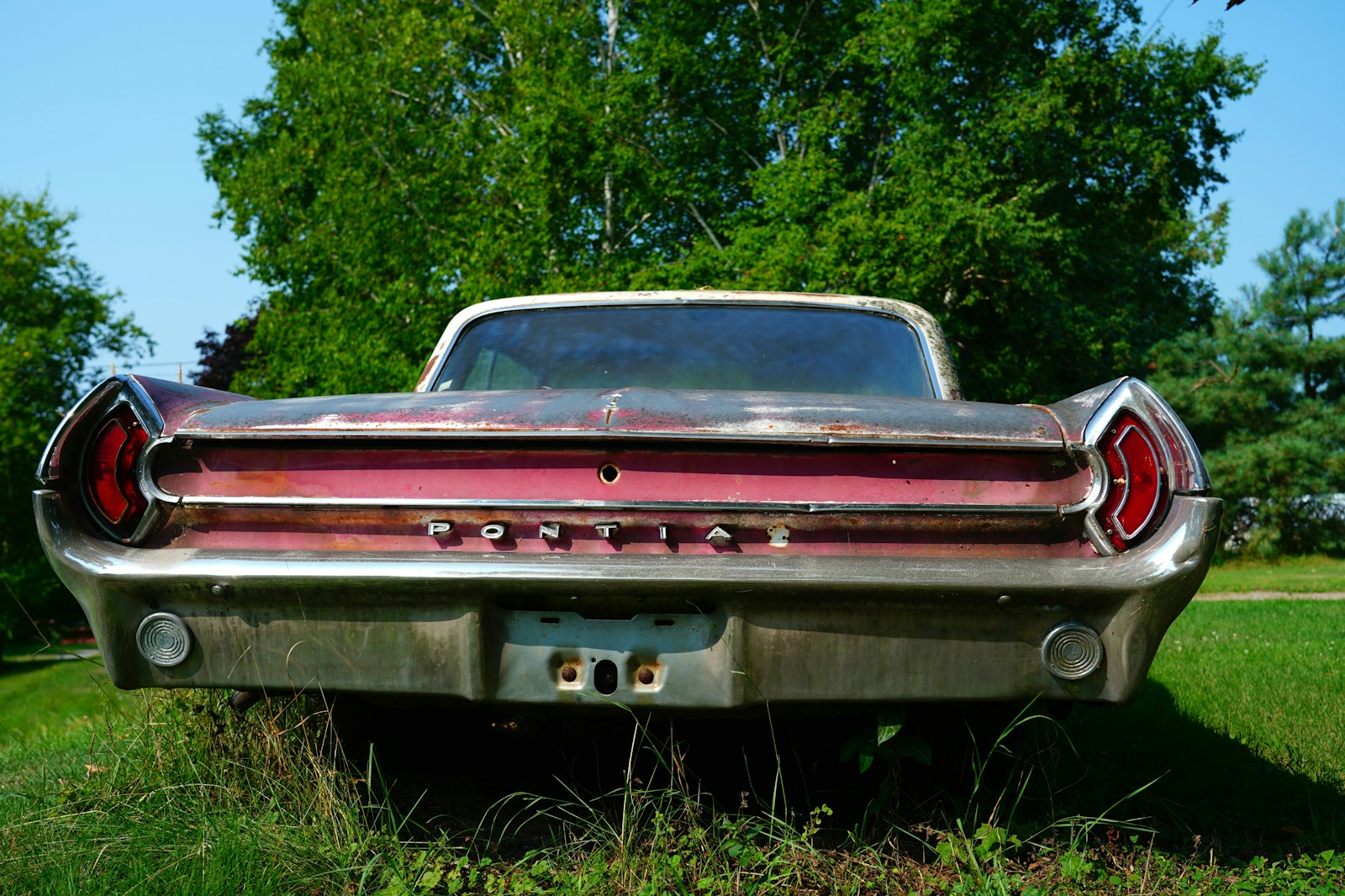

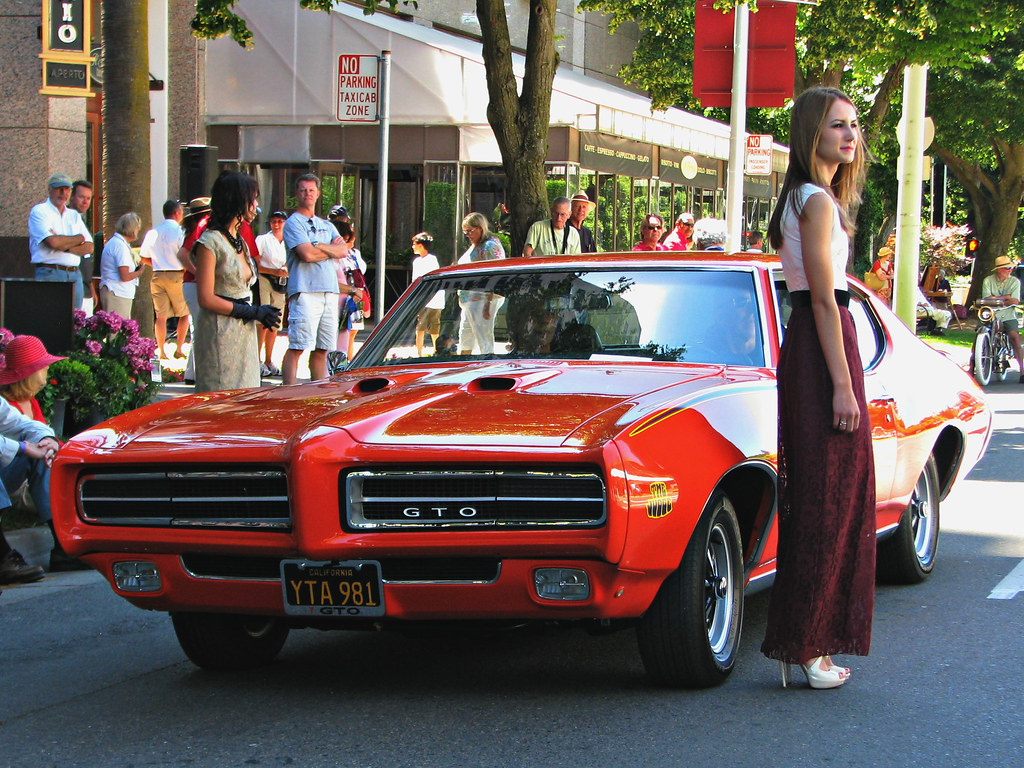
Pontiac has been dead for 15 years and its GTO still climbed 14% in value over the last five, to an average of $64,551 in good condition, according to Hagerty’s valuation data. Meanwhile, roughly 200,000 orphaned Saabs are still on Swedish roads alone, kept running by a parts company that has watched its own sales cut in half over five years. Owning a car from a brand that no longer exists is not one experience — it is a spectrum, and where a brand lands on it depends almost entirely on who owned the platform underneath it and how much of that platform survives elsewhere.
Pontiac and Oldsmobile: The GM Safety Net
Pontiac and Oldsmobile share the easiest version of orphan ownership because General Motors killed the brands but not the parts bins. GM’s own discontinued-brands support page directs owners of both nameplates to GM Genuine Parts and ACDelco for replacement components, and to GM Certified Service locations for repair work — the same infrastructure that services current Chevrolets and Buicks, because Pontiacs and Oldsmobiles were built on shared GM platforms with largely interchangeable mechanical parts. A Pontiac G6 owner and a same-era Chevy Malibu owner are frequently shopping the same parts catalog. That shared-platform reality is also what’s driving the value trend: Hagerty’s data shows 1970-81 Firebirds up 21.5% since 2020 to an average of $23,900, and the Grand Prix up 55% over the same window to $22,560. These aren’t obscure survivors kept alive by desperation — they’re appreciating collector assets precisely because the mechanical support underneath them never went away.
Saturn: Orphaned Twice
Saturn’s situation is messier because GM didn’t just discontinue the brand in 2010 — it also shut down Saturn’s dedicated retail network, which had been part of the brand’s original pitch to buyers. According to Capital One Auto Navigator’s breakdown of orphan brands, cars that shared major mechanical components with other GM products, as most Saturns did in their later years, tend to keep reasonable parts access. What gets hard to find is anything unique to Saturn’s own design choices — its early plastic body panels, specific interior trim, and glass are the pieces owners struggle to source, because those parts were never shared with a surviving GM brand and no dedicated Saturn parts network ever emerged the way it did for Saab.
Saab: The Real Orphan Experience
Saab is the brand that shows what happens when there’s no parent company left standing at all. Saab filed for bankruptcy in 2011, and Capital One’s research notes that surviving owners lost manufacturer warranty coverage and the ability to receive official safety recalls through the brand itself — a categorically different problem than a parts shortage. What’s kept Saab ownership viable since then is Orio AB, the Swedish state-created successor to Saab’s original parts division, which continues to manufacture and supply Saab-specific components from its Nyköping headquarters. Orio has confirmed it intends to keep supplying parts for the roughly 200,000 Saabs still registered in Sweden, but the company’s own sales figures have dropped more than 50% over five years — a shrinking customer base funding a shrinking parts operation, with no automaker safety net behind it if that math eventually stops working.
What the Tradeoff Actually Buys You
Line the three cases up and a pattern shows up fast: ownership risk in an orphaned brand tracks almost exactly to how much of the car’s mechanical DNA is shared with something still in production. Pontiac and Oldsmobile owners are functionally GM owners with different badges, which is why their collector values can climb without anyone worrying about the parts supply drying up. Saturn owners are half-covered, protected on shared mechanicals but exposed on anything brand-specific. Saab owners carry the most risk because there’s no parent company absorbing any of it — just a single successor parts supplier whose continued existence isn’t guaranteed by anything but its own shrinking sales.
None of that shows up on a window sticker or a classifieds listing, but it’s the real math behind buying any car whose badge no longer exists. The purchase price is the easy part to compare. What actually separates a smart orphan-brand buy from a slow-motion parts hunt is whether the platform underneath still has somewhere else to draw support from — and that’s a question worth answering before the sale, not five years into ownership when the part everyone assumed would still exist turns out not to.