
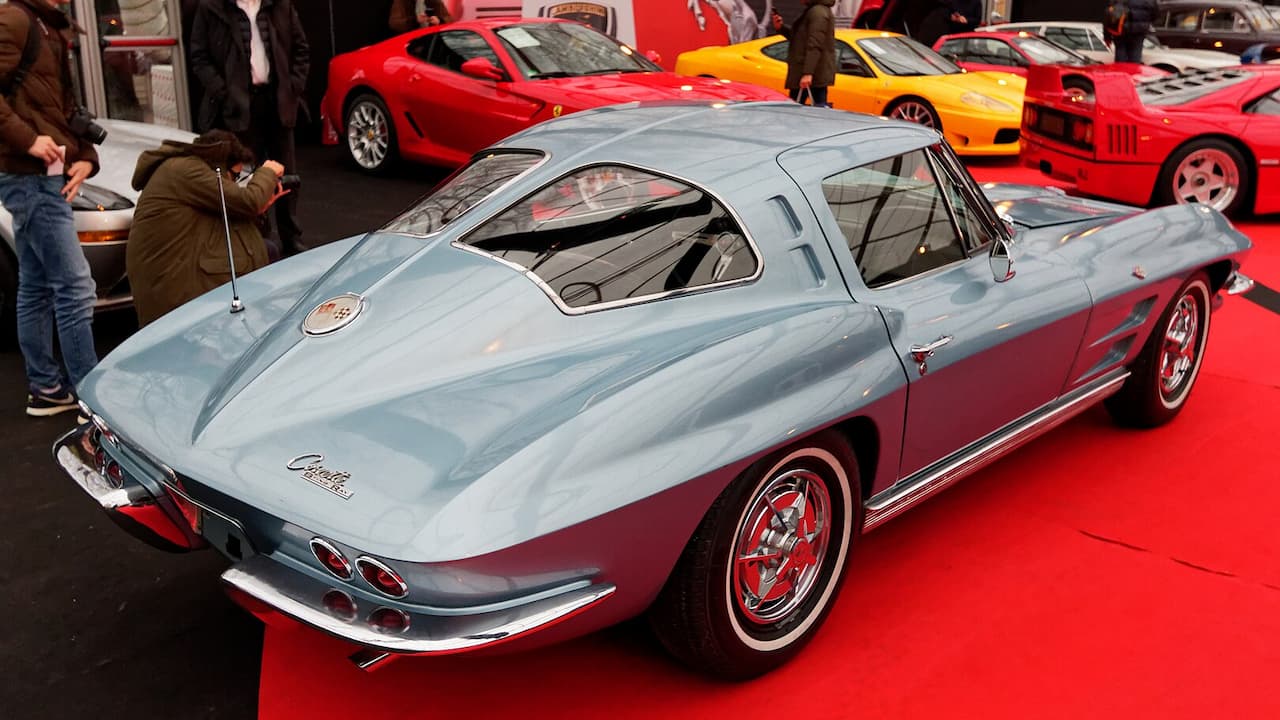

A 1963 Corvette split-window coupe is worth 51% more than an equivalent convertible from the same model year — $139,000 versus $91,800 in good condition, according to Hagerty’s valuation data. That flips almost everything most buyers assume about convertibles being the automatic premium body style. The drop-top-always-wins rule is real often enough to become conventional wisdom, but it breaks down completely once rarity, structural rigidity, or a specific design detail outweighs the simple appeal of open-air driving — and American performance cars have some of the clearest examples of exactly when that happens.
The 1963 Corvette: One Year of Glass
The split-window rear glass on the 1963 Corvette Sting Ray existed for exactly one model year before Chevrolet’s own design chief, Bill Mitchell, lost an internal fight to keep it and the divider was dropped for 1964 over rear-visibility complaints. That single-year exclusivity is what built the premium: collectors treat the split-window coupe as a distinct, unrepeatable design moment rather than just “a 1963 Corvette,” and Hagerty’s numbers show it — a 327/340hp split-window coupe in #2 condition runs $139,000 against $91,800 for the convertible equivalent. The lesson generalizes further than Corvettes: a one-year styling quirk can outweigh decades of “convertibles cost more” pricing logic, provided the quirk is rare and instantly recognizable.
The Dodge Viper GTS: Function Beat Open-Air
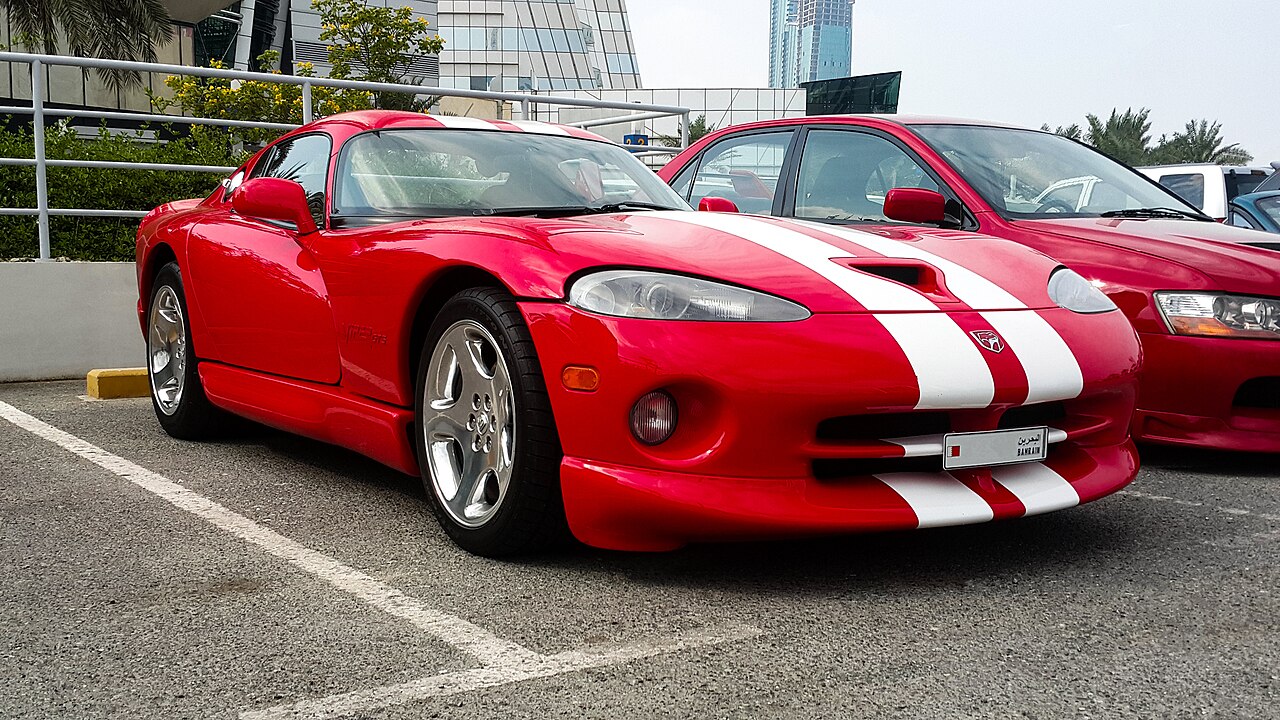
The second-generation Viper split into two distinct personalities — the original RT/10 roadster and the hardtop GTS coupe added for 1996 — and the coupe has held a steady edge ever since. Hagerty’s median #2-condition figures put the GTS coupe at $53,100 against $48,900 for the roadster. The gap is smaller than the Corvette’s, but the reasoning is different: the GTS wasn’t just a roadster with a fixed roof bolted on, it was built as the more track-capable version of the car, and Hagerty’s own analysis credits that engineering identity — “form following function for the street and track” — for why buyers pay more for the roof rather than less.
The Pontiac Solstice GXP: Scarcity Did All the Work
The clearest example of raw rarity overriding body style sits inside a single modern nameplate. Pontiac built roughly 66,000 Solstices in total, but only about 1,200 of those were the hardtop GXP coupe version added late in the car’s run, versus tens of thousands of roadsters. Hagerty prices the GXP coupe at $31,500 in #2 condition against $16,600 for the GXP roadster — essentially double. There’s no engineering story here the way there is with the Viper GTS; it’s pure production-number math. When a coupe variant is genuinely uncommon inside its own model line, rarity alone can nearly double its value over the far more common open version.
Where It Doesn’t Flip — And Why That Matters
The flip isn’t universal, and that’s the actual point. Plenty of muscle-era convertibles still blow past their coupe counterparts — just not for the reason most people assume. Only 18 buyers ordered a 1970 Plymouth Hemi ‘Cuda as a convertible, and that scarcity is why a Concours-condition example carries a Hagerty price-guide value of $2.6 million, against “just south of $300,000” for the hardtop coupe in the same condition, a premium Hagerty itself measured at roughly 1,000%. That’s not a convertible tax — it’s the same rarity math as the Solstice GXP coupe, just running in the opposite direction because Plymouth built almost no open-top Hemi ‘Cudas instead of almost no hardtop ones. The difference between that car and the Corvette, Viper, and Solstice examples isn’t the body style — it’s which version was actually rare. A convertible carries a premium when convertibles were the exception at the factory. A coupe carries the premium when the coupe was the exception instead.
That’s the number that actually matters when shopping any performance car built in both configurations: not “which body style typically sells for more,” but how many of each specific variant left the factory in the exact trim, engine, and options combination sitting in front of you. Body style is just a proxy for scarcity, and scarcity is what collectors are actually pricing — which is why the same “convertibles are worth more” rule that holds for a garden-variety 1969 Camaro can completely invert for a split-window Corvette, a track-focused Viper, or a Solstice built in a run of 1,200.