

Cars have come a long way since their inception, with manufacturers constantly innovating to make them safer, more comfortable, and more efficient. But not all ideas turn out to be winners, and the history of automotive design is littered with features that were, to put it mildly, less than successful. Some were merely inconvenient or annoying, while others were downright dangerous. Here are 15 of the worst car features to ever exist, from the laughably impractical to the truly hazardous.
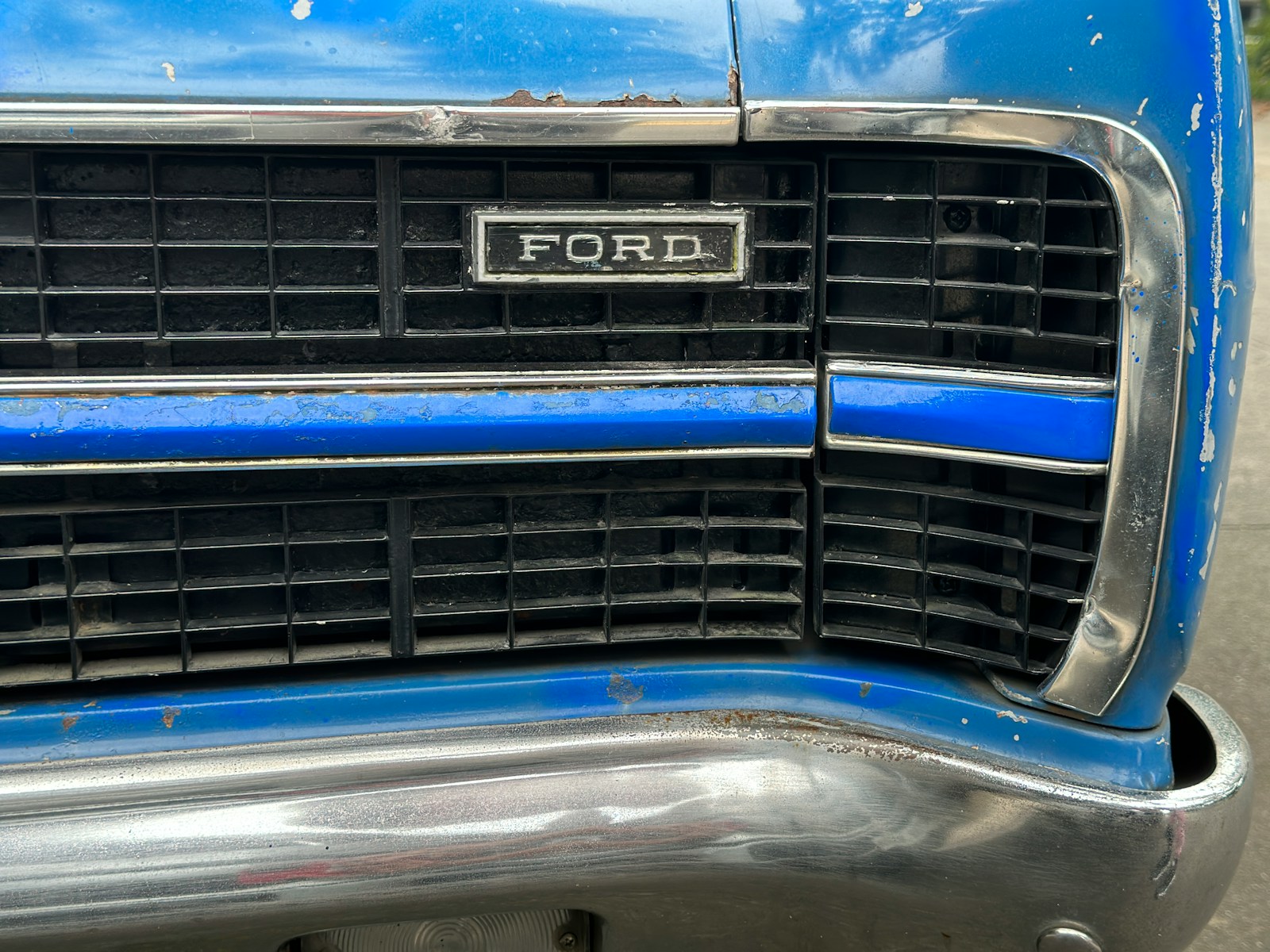
1. The Ford Pinto’s Fuel Tank
When it comes to dangerous car features, the Ford Pinto’s fuel tank is a notorious example. The design placed the fuel tank at the rear of the car, making it susceptible to rupturing in a rear-end collision. The result? Numerous fiery explosions and a recall of 1.5 million vehicles. A lesson in the importance of safety-first design.
2. Cadillac’s Cimarron
Cadillac’s Cimarron was a car that was essentially a Chevrolet Cavalier with a Cadillac badge and a higher price tag. This was an attempt by General Motors to compete with European luxury compact cars. However, customers didn’t appreciate paying more for what was essentially a cheaper car and the Cimarron became a symbol of Detroit’s downfall in the 1980s.
3. The Dodge Daytona’s Electronic Voice Alert
The Dodge Daytona’s Electronic Voice Alert was a feature that was supposed to make driving safer by alerting drivers to potential problems. However, the robotic voice was known to malfunction and give false warnings, leading to unnecessary panic and distraction.
4. The AMC Pacer’s Massive Glass Area
The AMC Pacer’s massive glass area was intended to provide an almost panoramic view. However, the large amount of glass made the car incredibly hot in summer and terribly cold in winter, making it very uncomfortable to drive.
5. The Chevrolet SSR’s Retractable Hardtop
The Chevrolet SSR’s retractable hardtop seemed like a cool feature but it added a lot of weight to the vehicle, which negatively affected its performance. Besides, it took up a lot of trunk space when retracted, which made the SSR less practical.
6. The Pontiac Aztek’s Tent Option
The Pontiac Aztek’s tent option was an attempt to appeal to the outdoor enthusiast market. However, the tent was awkward to set up and took up a lot of cargo space, making the Aztek less practical for everyday use.
7. The Renault Dauphine’s Rear-Engine Layout
The Renault Dauphine’s rear-engine layout was a design choice that resulted in poor handling and stability. The car was prone to oversteer and was difficult to control, making it a risky choice for drivers.
8. The Chevrolet Vega’s Aluminum Engine
The Chevrolet Vega’s aluminum engine was supposed to be a revolutionary design that would improve fuel efficiency. However, it proved to be unreliable and prone to overheating, leading to numerous engine failures.
9. The Ford Edsel’s Teletouch Drive
The Ford Edsel’s Teletouch Drive was a push-button transmission system that was supposed to be futuristic and convenient. However, it was confusing to use and often malfunctioned, making it a frustrating feature for drivers.
10. The Lincoln Continental’s Spare Tire Hump
The Lincoln Continental’s spare tire hump was a design choice that was meant to evoke a sense of luxury. However, it was impractical and made the trunk difficult to access, making it an inconvenient feature for users.
11. The Yugo’s Lack of Quality Control
The Yugo, a car produced in former Yugoslavia, is infamous for its lack of quality control. This resulted in numerous mechanical problems and a reputation for being one of the worst cars ever made.
12. The Chrysler Airflow’s Aerodynamic Design
The Chrysler Airflow’s aerodynamic design was supposed to make the car more fuel efficient. However, the design was ahead of its time and consumers found it strange and unattractive, leading to poor sales.
13. The Subaru 360’s Lack of Safety Features
The Subaru 360’s lack of safety features was a major problem. The car was so light that it didn’t have to meet safety standards, resulting in a car that was dangerous to drive.
14. The Saturn Ion’s Center-Mounted Instrument Cluster
The Saturn Ion’s center-mounted instrument cluster was a design choice that was supposed to be futuristic and unique. However, it was inconvenient for drivers as it forced them to take their eyes off the road to check their speed or fuel level.
15. The Hummer H2’s Size
The Hummer H2’s size made it difficult to park and maneuver in urban environments. Its poor fuel efficiency and difficulty in fitting into standard parking spaces made it a nightmare for city dwellers.