
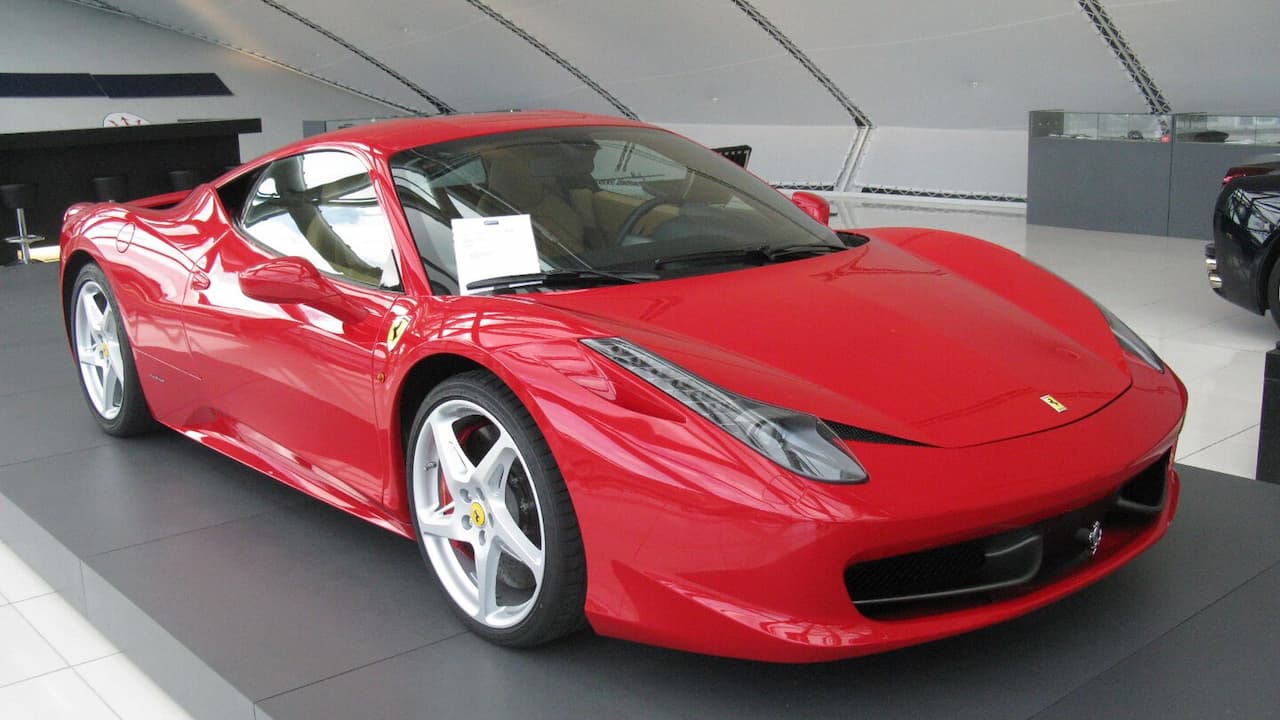

A 2015 Ferrari 458 Italia has lost about 9% of its original sticker price over the past eleven years. A 2015 Lamborghini Huracán, built the same year, sitting in the exact same price bracket when new, has lost roughly 22% over that same span. Those aren’t estimates from a forum thread — they’re current private-party values pulled straight from Kelley Blue Book’s own appraisal data, compared against each car’s original MSRP. Two entry-level supercars, same era, same rough price point at launch, and wildly different depreciation curves once the ten-year mark passes.
The 2015 Numbers, Side by Side
The 2015 458 Italia carried a $248,290 MSRP and currently holds a private-party value of $226,000, according to KBB’s valuation page — a loss of about $22,290, or roughly 9% of its original price. The 2015 Huracán started at a nearly identical $248,845 and now sits at $193,000 private-party, per KBB’s Huracán data — a drop of $55,845, or about 22.4%. Same money new. More than double the percentage loss on the Lamborghini, eleven years later.
It’s Not Just the 2015 Model Year
Push the comparison back further and the pattern holds. A 2013 458 Italia — two years older than the Huracán example above, meaning it’s had more time to depreciate, not less — carried a $238,337 MSRP and still commands $196,000 private-party today, per KBB, a loss of about 17.8%. That’s a car with two additional years of depreciation working against it, and it’s still losing less, percentage-wise, than the younger Huracán. Whatever is driving the gap, it isn’t simply a matter of one model being older.
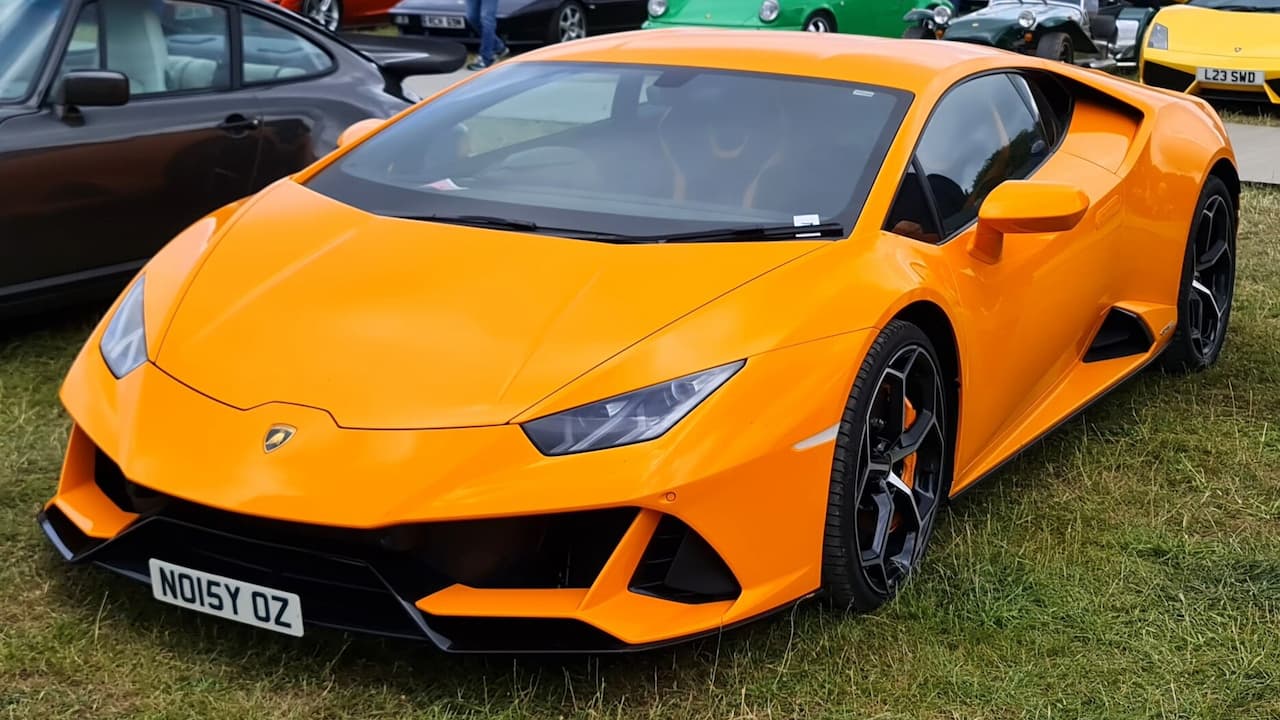
The dealer-side numbers tell the same story from a different angle. KBB lists a fair purchase price — what a buyer should expect to actually pay at a dealership — of $212,000 for that 2013 458 Italia, against $196,000 private-party, a gap of roughly $16,000. The 2015 Huracán’s fair purchase price sits at $207,000 against a $193,000 private-party figure, a gap of about $14,000. The dealer premiums are similar in dollar terms on both cars, which means the difference in total value retention comes almost entirely from where each car’s private-party floor has settled, not from any difference in how dealerships are marking them up.
The Broader Pattern Backs It Up
This isn’t just a coincidence in two data points. A Hagerty study of modern supercar depreciation, which analyzed vehicles priced between $100,000 and $500,000 across UK and US market data from sources including AutoTrader UK, Premier Financial, and Woodside Credit, found that Italian exotics broadly depreciate less than their British counterparts in the same price range — and that Ferrari performs “most favourably” of the group studied. Hagerty’s typical benchmark across the segment showed roughly 6% depreciation in year one and around 20% by year three for a broad basket of supercars, which makes the 458’s long-term number look even better by comparison and the Huracán’s look roughly in line with the segment average.
Why the Gap Exists
Some of this comes down to what each car represents in its maker’s own history. The 458 was the last naturally aspirated V8 Ferrari built before the brand moved to turbocharging with the 488 — a mechanical distinction that collectors and long-term buyers increasingly value as manufacturers phase out large-displacement, non-turbo engines across the industry. The Huracán, meanwhile, has stayed in continuous production with several updated variants (Performante, EVO, Tecnica) since its 2014 launch, and each new version puts a bit more pressure on the resale value of the ones that came before it — a newer, faster Huracán is always one model-year away, which isn’t true of the 458 now that Ferrari has moved on entirely.
What the Data Actually Tells a Buyer
None of this makes the Huracán a bad car or a bad buy — a 22% loss over a decade on a car that cost a quarter-million dollars new is still a far gentler curve than almost anything with four doors. But if the goal is buying into the entry-level supercar tier and holding value as long as possible, the numbers say the 458 has been the better financial decision for eleven straight years running, and there’s no obvious reason in the data for that gap to close anytime soon.
It’s also a reminder that “supercar” isn’t one financial category. Buyers who lump every mid-engine Italian exotic into the same depreciation bucket are missing a real, measurable split that shows up consistently whether you compare 2013s, 2015s, or the broader multi-year Hagerty dataset. The badge on the back tells you what the car sounds like. The KBB numbers tell you what it’s actually going to be worth when you’re ready to sell it.