

The rise in popularity of electric vehicles (EVs) has made them a hot topic of conversation. While the benefits of owning an EV are often highlighted, like contributing to a cleaner environment, there are also several hidden downsides that are not as commonly discussed. These drawbacks can deter potential buyers or result in disappointment for new EV owners who didn’t prepare for certain challenges. This article aims to shed light on 12 hidden downsides of owning an electric car that owners don’t like to admit, so that you can make a more informed decision when considering an EV.
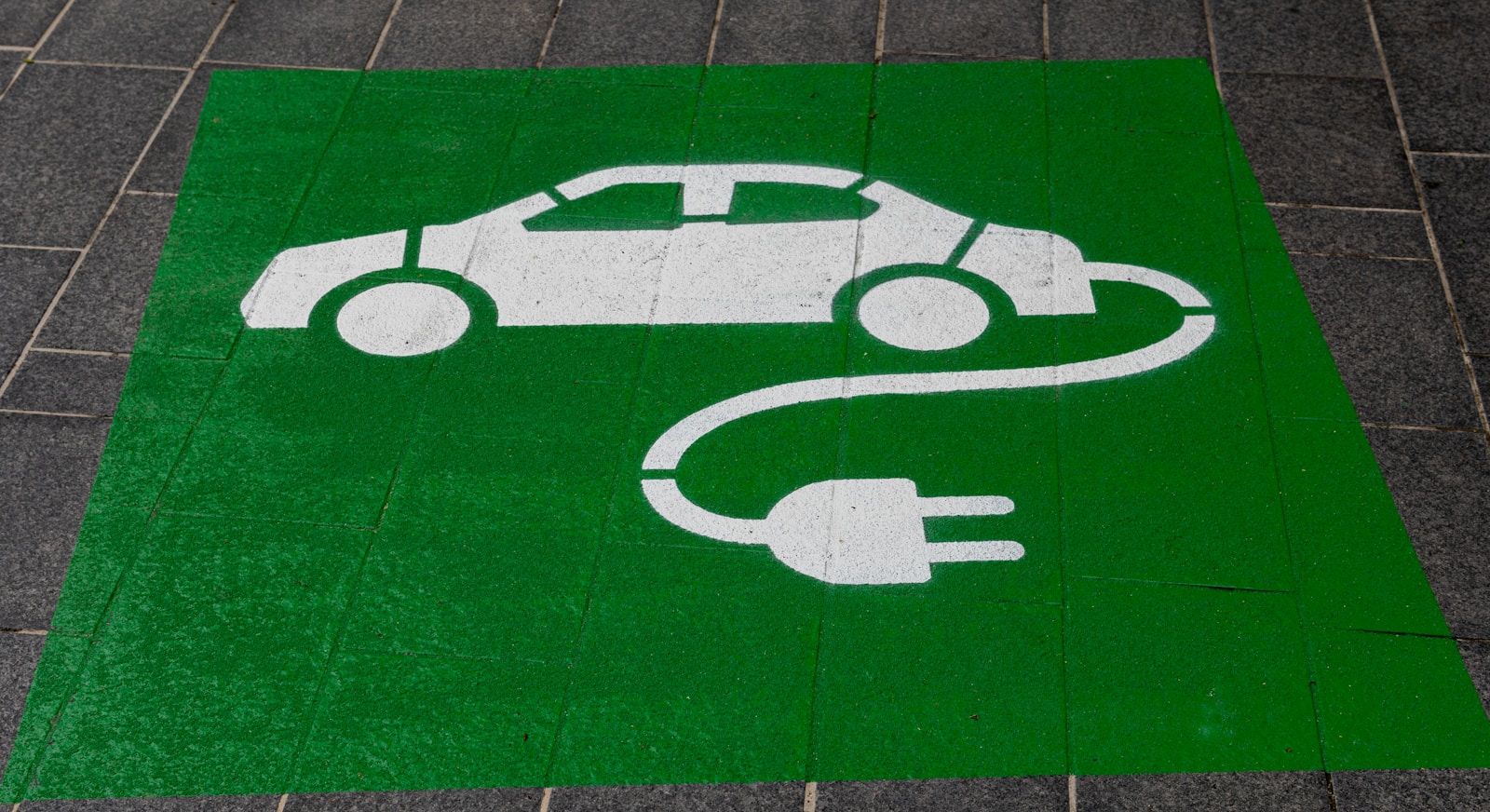
1. Charging Infrastructure
While charging infrastructure is improving, it’s still a far cry from the ubiquity of gas stations. Rural areas, in particular, can pose a significant challenge for EV owners. Charging stations may be few and far between, forcing drivers to plan their trips carefully to ensure they don’t run out of power.
Moreover, the time it takes to charge an EV can vary greatly. Depending on your vehicle and the type of charging station, it can take anywhere between 30 minutes to 12 hours to fully charge your EV. This is a significant change from the typical 5-minute fill-up at a gas station and can be inconvenient for those on the go.
2. Reduced Range in Cold Weather
Electric cars are known to struggle in cold weather. When temperatures drop, the range of an EV can decrease by up to 40%. This is because the batteries used in EVs are less efficient in cold weather, and the use of heating systems can further drain the battery.
This can be a particular issue for those living in colder climates, where the drop in range can be even more severe. To mitigate this, some EV owners opt to preheat their vehicles while still plugged in, reducing the drain on the battery once on the road. However, this is not always possible and can still lead to decreased range.
3. Higher Upfront Cost
Despite the potential savings on fuel and maintenance, the initial cost of an EV can be significantly higher than that of a comparable gas-powered vehicle. This can make the transition to electric daunting for many potential buyers.
Government incentives and tax credits can help offset this cost, but these are not always available or sufficient. Furthermore, with the rapid pace of technology, there is a risk that your new EV could soon become outdated, further impacting its value.
4. Limited Model Selection
While more automakers are introducing EV models, the selection is still relatively limited compared to gas-powered vehicles. This means that buyers may have to compromise on their preferences in terms of size, style, and features.
Moreover, high-demand EV models can have long wait times, further limiting availability. As such, buyers may have to plan and order their EV well in advance, which can be a deterrent for those needing a vehicle immediately.
5. Battery Replacement Costs
The battery is one of the most expensive components of an EV. Over time, these batteries degrade and will eventually need to be replaced. The cost of a new battery can be several thousand dollars, which can be a significant unexpected expense.
While many manufacturers offer warranties on their batteries, these typically only cover the battery for a certain number of years or miles. After the warranty expires, the cost of replacement falls on the owner. This is a significant consideration when purchasing an older or used EV.
6. Lack of Sound
Some people actually miss the sound of a gas engine. The quietness of an EV can feel strange and takes some getting used to. This lack of noise can also pose a safety issue for pedestrians and cyclists who may not hear an approaching EV.
In response to this, some manufacturers have added artificial sound to their EVs. However, this can feel unnatural and is not always appreciated by owners.
7. Limited Towing Capacity
Many electric vehicles have limited towing capacity compared to their gas-powered counterparts. This can be a significant drawback for people who frequently need to tow trailers or other heavy loads.
While some newer models are improving in this aspect, it’s still an area where gas-powered vehicles generally excel. For heavy-duty towing needs, a gas or diesel vehicle may still be the best choice.
8. Lack of Charging at Apartments and Condos
For people living in apartments or condos, charging an EV can be a significant challenge. Not all buildings are equipped with EV charging stations, and installing one can be costly and require approval from the building management.
Some people resort to charging at public stations, but this can be inconvenient and time-consuming. This is a significant consideration for city dwellers who are considering an EV.
9. Long Trips Can Be Challenging
Planning long road trips can be more complex with an EV. You have to plan your route around charging stations and factor in the time it takes to recharge. This can add significant time to your journey and limit the places you can visit.
There are apps and tools available to help plan routes and locate charging stations, but this still requires more planning and time than a traditional road trip.
10. Limited Resale Market
The resale market for EVs is still quite limited. This is due to a variety of factors, including the high initial cost, range anxiety, and concerns over battery life. As a result, selling your used EV may take longer and return less money than selling a used gas-powered car.
However, this is likely to improve as more people become comfortable with the idea of owning an EV and as the charging infrastructure improves.
11. Difficulty Finding Qualified Mechanics
Not all mechanics are trained to work on electric vehicles. This can make finding a qualified mechanic more challenging, especially in smaller towns and rural areas.
While the maintenance needs of an EV are generally lower than a gas-powered car, they still require regular service and occasional repairs. This can be more costly and time-consuming if a specialist is required.
12. Charging Can Increase Your Electricity Bill
While you’ll save money on gas, charging your EV at home will increase your electricity bill. The exact amount will depend on your local electricity rates and how much you drive, but it can be a significant additional cost.
Some utilities offer off-peak rates for EV charging, which can help offset this cost. However, this often requires charging your EV overnight, which may not be convenient for everyone.
In conclusion, while electric cars offer many benefits, they also have several hidden downsides. Being aware of these can help you make a more informed decision when considering an EV and prepare you for the challenges of owning one.