
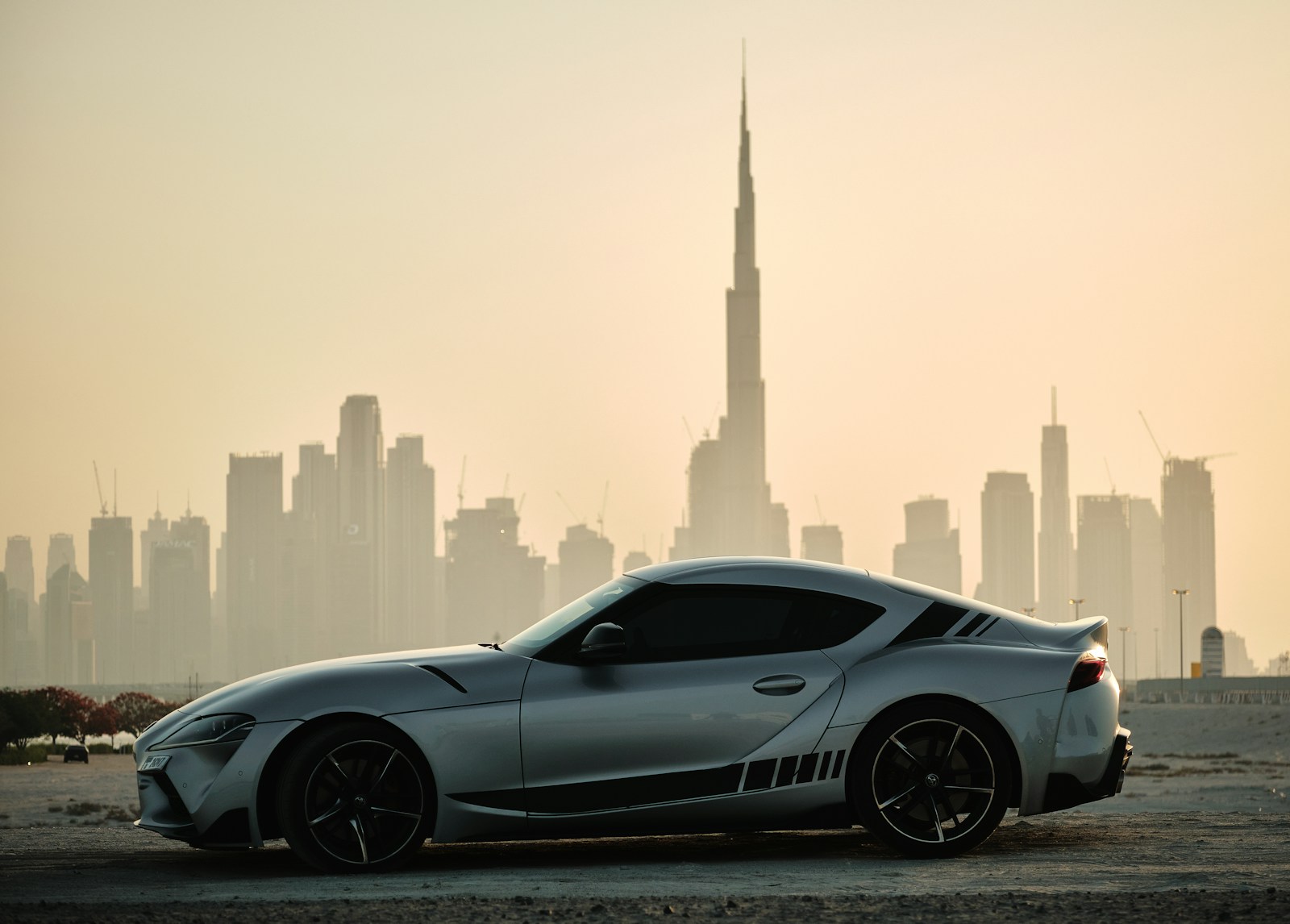

The Z depreciates almost twice as fast as the Supra
Run all three cars through the same depreciation model and the gap is not close. According to CarEdge’s data, aggregated from multiple industry pricing providers, a Nissan Z depreciates 42% over five years, dropping from an average transaction price of $56,222 to a projected resale value of $32,491 — a loss of roughly $23,700. The Toyota GR Supra loses just 23% over the same stretch, falling from $59,354 to $45,667, a loss of about $13,700. The Subaru BRZ depreciates 24%, from $36,015 to $27,508 — a dollar loss of only about $8,500, the smallest of the three by a wide margin simply because it starts so much cheaper.
What that means in real dollars, not just percentages
Percentages alone can mislead you here, because the three cars start at wildly different price points. The Z’s 42% looks bad on paper, but its bigger problem is that it combines the worst depreciation rate with a mid-pack starting price, so it bleeds the most actual money of the three — nearly $24,000 in projected value over five years. The Supra’s 23% rate is the best of the group, but because it’s also the most expensive car here, its owners still watch almost $14,000 walk out the door. The BRZ wins on pure dollars lost, not because Subaru’s residuals are exceptional, but because there’s simply less value on the table to lose in the first place.

Reliability data tells a more mixed story than the depreciation numbers
On brand-wide reliability, RepairPal rates Nissan 4.0 out of 5.0, ranking it 9th of 32 brands with an average annual repair cost of $500, and Toyota also scores 4.0 out of 5.0, ranking 8th of 32 with owners averaging $441 a year in repairs — both brands sit in the same tier. Subaru trails at 3.5 out of 5.0, ranked 14th of 32. At the model level, the BRZ has the most documented history of the three: an average annual repair cost of $672, 11 logged problems, and five recalls, including a wheel-hub-bolt issue serious enough that RepairPal describes a risk of “wheel detachment” and a low-pressure fuel pump defect tied to stalling. Both the Z and the GR Supra are newer nameplates with too little repair history on file yet for RepairPal to generate a model-specific cost estimate, so their reliability case currently rests on their parent brands’ track records rather than their own. That’s a meaningful caveat for shoppers: a strong brand score covers everything from the automaker’s cheapest commuter car to its priciest truck, and a low-volume sports coupe with an unusual drivetrain doesn’t always inherit the fleet-wide average.
So which one actually costs the least to own
Weigh the two data sets together and the Supra comes out ahead on the numbers that exist today. It combines the best five-year depreciation rate in the group with a brand-reliability score tied for tops among the three, and it hasn’t accumulated the kind of recall history the BRZ already has at the model level. The BRZ is the cheapest to buy and loses the fewest raw dollars to depreciation, which makes it a reasonable budget pick, but it’s also the one with a documented safety recall for wheel bolts loosening and a lower brand-reliability ranking — a buyer optimizing purely for total cost of ownership needs to weigh that against the lower purchase price. The Z is the toughest case to defend on data alone right now: it shares Nissan’s solid brand-reliability score, but it is losing value faster than either competitor, and there simply isn’t enough model-specific repair history yet to say whether that steep depreciation is a market overreaction or an early signal.
The numbers argue against buying on reputation alone
Enthusiast reputation and cost-of-ownership data aren’t pointing the same direction in this segment. The Z has the most emotional pull and the design pedigree, yet it’s the one bleeding the most resale value; the BRZ is the budget darling with a real recall on the books; and the Supra, often treated as the “safe, boring” choice next to the other two, is actually the one the depreciation and brand-reliability numbers both favor. Buyers chasing this segment on badge and nostalgia are pricing in a story the resale market isn’t backing up.