

The Insurance Institute for Highway Safety has added two more vehicles to its top-tier 2026 Top Safety Pick+ list, the institute announced on May 14 — roughly two months after its initial round of 2026 awards. The 2026 Hyundai Palisade and 2026 Toyota Prius both now carry the designation, according to IIHS.
The Palisade earned the upgrade after improved performance in IIHS’s moderate overlap front crash test, tied to a rear seat belt buckle change made in Palisade production starting in November 2025. Only Palisade units built after that date qualify, per IIHS.
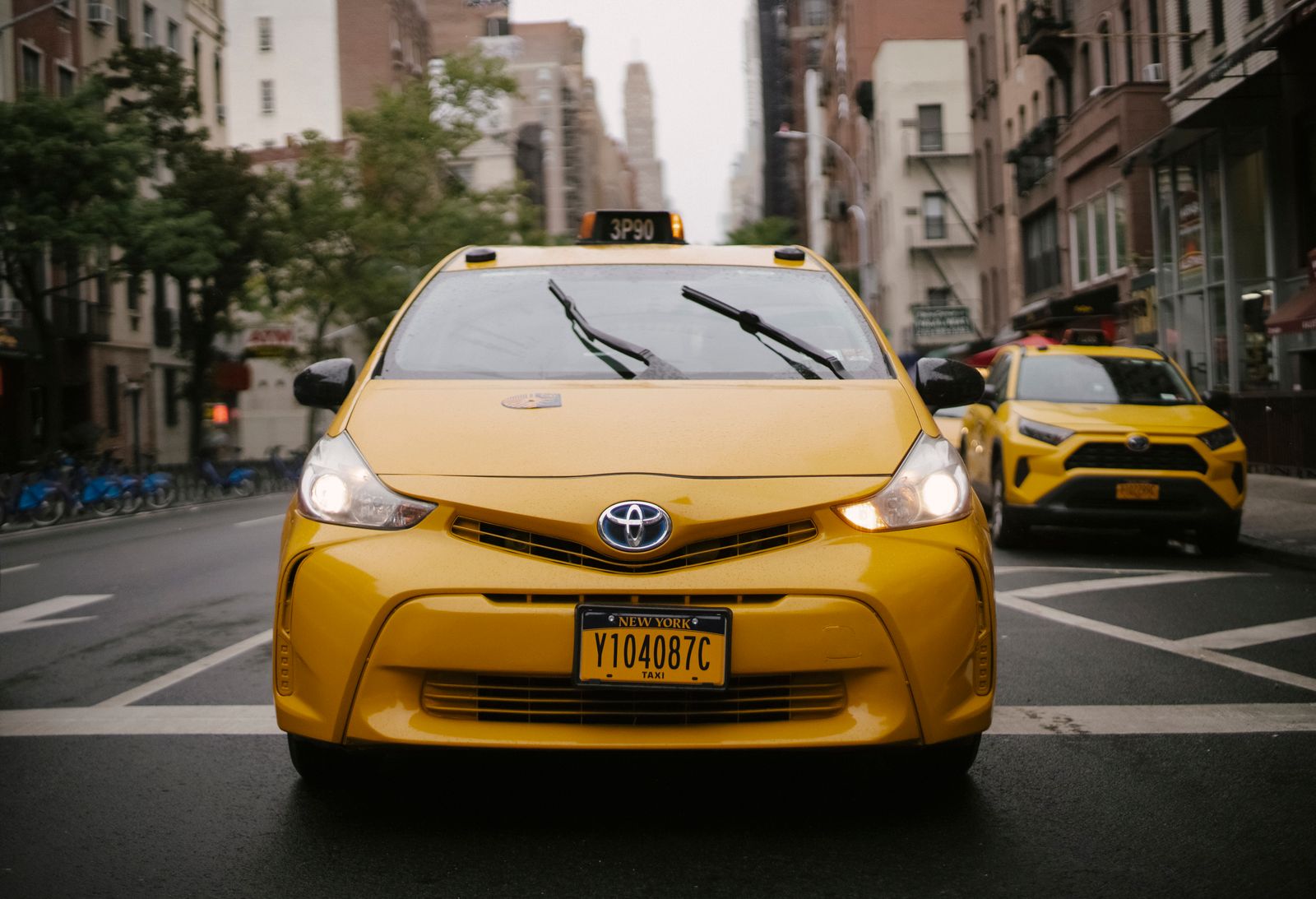
The Prius, meanwhile, moved up on the strength of new results in IIHS’s updated vehicle-to-vehicle front crash prevention evaluation — the same tougher, higher-speed test that has tripped up a majority of small SUVs tested to date.

What Top Safety Pick+ Actually Requires
Top Safety Pick+ is IIHS’s highest distinction, and it demands more than the base-level Top Safety Pick award. Both tiers require good ratings in the moderate overlap front, small overlap front, and side crash tests, plus acceptable-or-good headlights across every trim level, according to IIHS. Top Safety Pick+ additionally requires a good rating in IIHS’s pedestrian front crash test and an acceptable or good rating in the newer, higher-speed vehicle-to-vehicle front crash prevention evaluation — the same standard that only a handful of small SUVs have managed to clear.
All of the required crash-avoidance technology must also come standard, not as a paid option, for a vehicle to qualify for either award tier. That standard-equipment rule is often the harder bar to clear: a vehicle can post a good structural crash-test score and still miss out on an award if its automatic emergency braking or headlight upgrade is bundled into an optional package rather than included on every trim.
Part of a Broader Pattern
The addition follows IIHS’s initial 2026 award announcement in March, when the institute said it had tightened its criteria specifically to push automakers toward better crash-avoidance technology rather than relying on structural crash test scores alone. Mid-cycle additions like this one are how IIHS handles automakers that make a running production change — like Hyundai’s belt buckle fix — or that submit new crash-avoidance test data after the initial award cycle closes.
For buyers cross-shopping a three-row SUV or a hybrid compact car, the practical upshot is straightforward. A Palisade built before November 2025 and a Prius from earlier in the model year may not carry the same protection the award now implies for later production. IIHS’s award pages list the specific build dates and trim requirements that apply to each qualifying vehicle, and it’s worth checking a VIN against those dates before assuming an earlier build shares the same rating.