
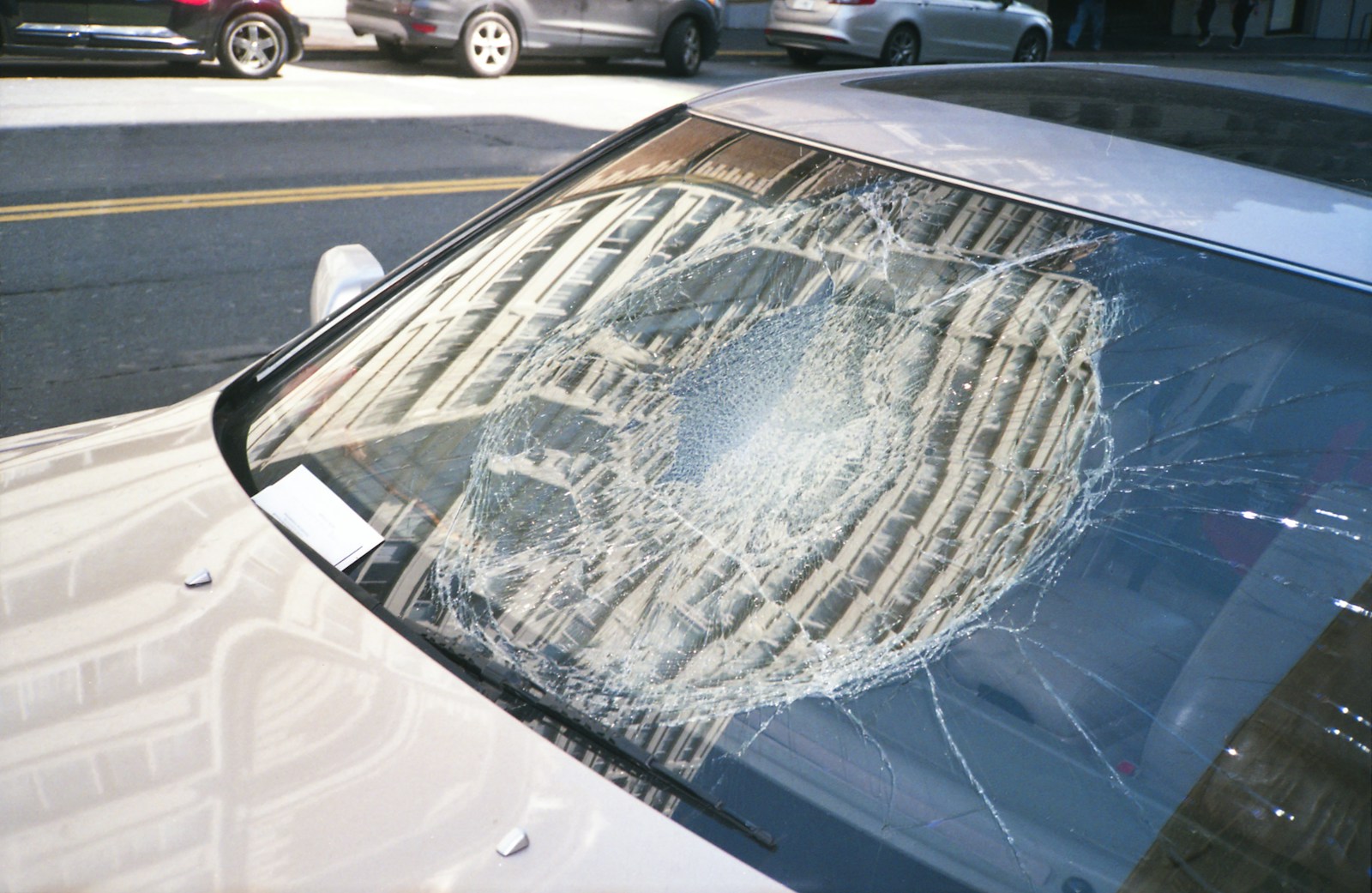

Swapping a cracked windshield used to mean a glass guy, a tube of urethane, and a bill under a thousand dollars. Not anymore. A December 2023 teardown of real repair estimates by AAA’s Automotive Engineering team found that recalibrating the forward-facing camera bolted behind the new glass now averages $360 per job, which is 25.4% of the average total windshield replacement estimate of $1,439.78. That single line item, invisible on a windshield job a decade ago, now eats a quarter of the invoice.
AAA didn’t guess at these numbers. Its engineers pulled real estimates for a 2023 Ford F-150, Nissan Rogue, and Toyota Camry from professional shops in Southern California and Michigan, all built on CCC One estimating software, the platform roughly 80% of the collision repair industry runs on. Strip the $360 calibration charge out of that $1,439.78 total and you’re left with a bare glass-and-labor job of around $1,080. The camera step alone tacks on roughly a third more than the glass itself would have cost by itself.

Why nearly every windshield needs it now
This isn’t a niche problem because the hardware isn’t niche anymore. Back in 2016, 20 automakers representing 99% of U.S. light-vehicle sales voluntarily committed, in an agreement brokered by NHTSA and IIHS, to make automatic emergency braking standard equipment by September 2022. AEB, lane-keep assist, and adaptive cruise all lean on the same forward-facing camera, and that camera almost always lives on a bracket glued to the windshield itself. Pull the glass, and the camera loses its exact aim. Put in new glass without recalibrating it, and you’ve got a safety system that’s aiming a few degrees off, which defeats the entire point of having it.
Static, dynamic, and why the range is so wide
Ask Safelite, the country’s largest auto glass chain, for a flat number and you won’t get one. The company states plainly that recalibration cost “varies depending on your vehicle’s make, model, and year, the number and type of systems requiring recalibration, the method of recalibration needed (static vs. dynamic), and your location.” A static calibration happens in a bay with the car aimed at printed targets on a wall. A dynamic calibration requires an actual test drive at specific speeds so the camera can relearn its surroundings in motion. Plenty of modern vehicles need both, one right after the other, which is where a calibration bill climbs well past that AAA average and toward $600 or more on the higher end.
It’s not just the windshield anymore
A separate AAA study of three top-selling vehicles, a small SUV, a mid-size sedan, and a full-size pickup, found that windshield replacement on an ADAS-equipped vehicle runs roughly three times costlier than a standard windshield once camera hardware is factored in, and that a minor front-end fender-bender on a modern vehicle can run repair bills up to $5,300, about two-and-a-half times what the same collision would have cost on a car without sensors. The parts driving that number aren’t exotic: a front camera sensor alone runs $850 to $1,900 before the glass is even considered, front radar sensors add another $900 to $1,300, and a simple around-view or mirror camera can run $500 to $1,100. None of that existed as a line item on a repair estimate fifteen years ago.
The part your insurance may not fully cover
Comprehensive coverage typically pays for windshield replacement, and most insurers now recognize calibration as part of that same claim rather than a separate luxury. But drivers who carry minimum liability-only coverage, or who pay cash to avoid a claim on their record, are absorbing the full jump themselves. And skipping the calibration to save money isn’t really an option: a windshield replaced without it can leave a forward-collision or lane-keep system silently misaligned, which is a liability problem as much as a mechanical one if that system fails to catch something it was designed to catch.
None of this is a shop padding your invoice. It’s the direct cost of the industry’s own safety push finally showing up on paper, spread across glass, sensors, radar, and cameras that a windshield job used to have nothing to do with. A windshield stopped being just a windshield the moment automakers wired a camera to the back of it, and the price of replacing it now reflects a sensor housing more than a pane of glass.