
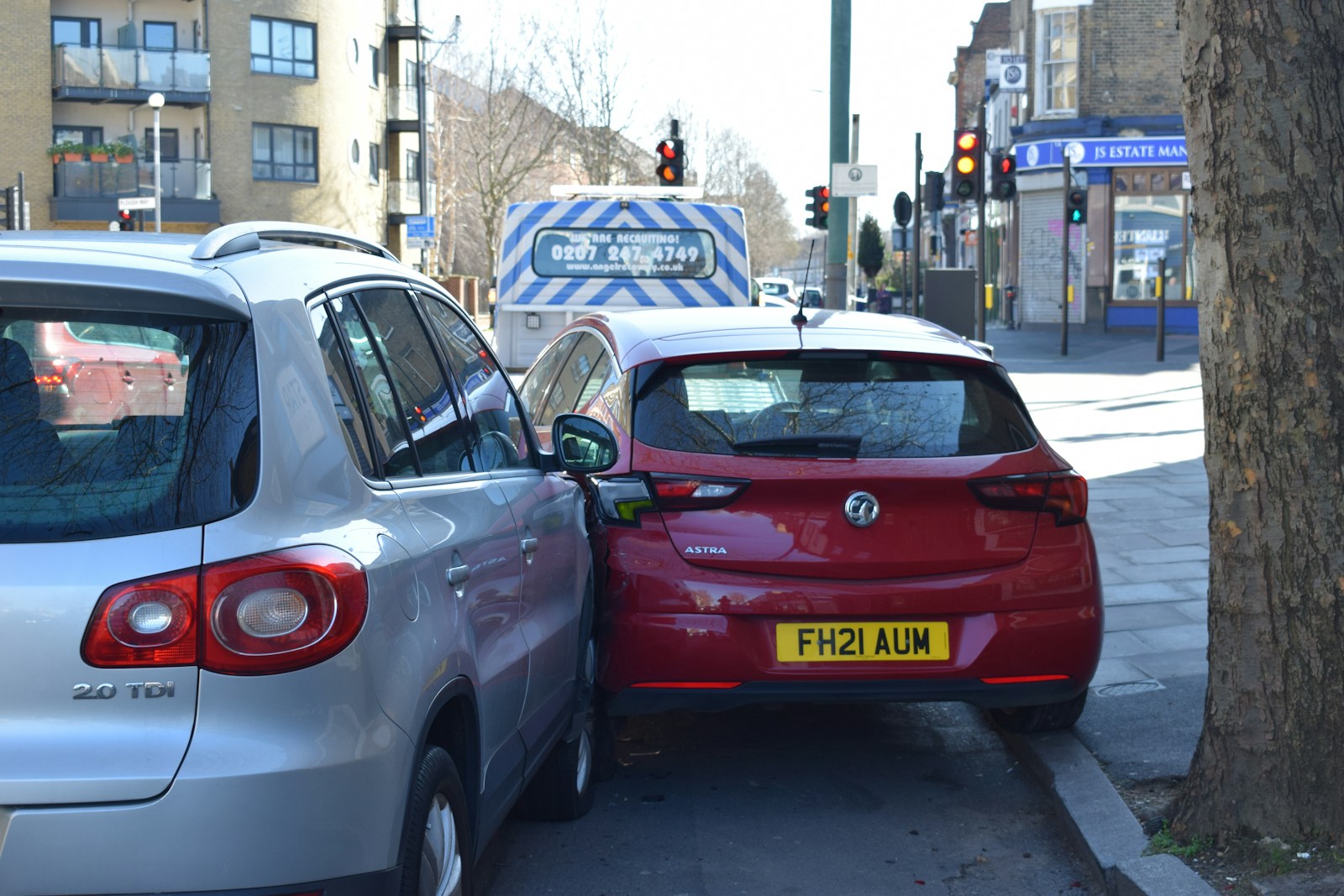

Fix the damage perfectly, match the paint, replace every bent panel with an OEM part, and the accident still follows the car to the sale. According to Carfax’s own vehicle history data, a car with a minor accident on record loses an average of just under $500 off its retail price compared to an identical clean-history car, and that average jumps to $2,100 for a vehicle carrying severe damage in its past. The repair quality never enters the equation. The line item on the report does.
Carfax illustrates the gap with an actual comparison rather than an abstraction: a 2022 Ford Bronco with no accident history was valued at $40,290 on its site, while the identical model carrying a minor accident on record priced out at $39,410, an $880 swing on one specific vehicle. That’s a smaller car-specific example than the broader averages, which reflects how much the discount can vary by model, mileage, and how the shop documented the repair, but the direction never flips. A reported accident always subtracts value, never adds it, regardless of whether the shop used factory parts, matched the paint code exactly, and passed every post-repair safety check.

The penalty has been getting bigger, not smaller
It’s worth noting the size of that discount has grown. In an earlier Carfax press release built on the same underlying vehicle history database, the company put the average retail impact of minor damage at roughly $400, with severe damage averaging a $1,500 retail hit and a further $1,200 wholesale hit. Measured against Carfax’s more current figures of roughly $500 for minor damage and $2,100 for severe damage, the resale penalty for an accident-branded vehicle has widened over time rather than shrunk, even as repair quality and OEM parts availability have generally improved. That’s the opposite of what you’d expect if buyers were growing more comfortable with well-documented, well-repaired vehicles, and it suggests the market is getting more cautious about accident history, not less, as reporting tools get more detailed and more widely used.
Why the discount happens before anyone pops the hood
The mechanism is simpler than it looks. Carfax’s own research states plainly that “accident history is the No. 1 thing used-car shoppers look for” when evaluating a used vehicle, and that check now happens online, before a buyer ever schedules a test drive or a pre-purchase inspection. A flagged report filters a car out of a shopper’s consideration set at the browsing stage, long before anyone has the chance to verify the repair was done correctly. Sellers and dealers know this, which is exactly why the discount gets applied preemptively through tools like Carfax’s own History-Based Value pricing, rather than negotiated case by case after an inspection. The report itself makes no distinction between a car that was professionally repaired to factory spec and one that got a rushed, budget fix. Both simply carry the word “accident,” and the market prices that word the same way regardless of what actually happened underneath the new paint.
How common this actually is
This isn’t an edge case buyers can simply avoid by shopping carefully. Carfax’s own data puts roughly 40% of the roughly 110 million vehicles currently on U.S. roads as carrying some kind of damage history, and about one in four used cars for sale today sold within a single year of sustaining that damage. With numbers that large, a meaningful share of every used-car buyer’s realistic shopping pool already carries the discount baked in, whether or not the buyer ever notices it on the sticker, and whether the vehicle needing to be sold quickly after a repair is a coincidence of timing or a seller trying to move it before more damage history accumulates.
The uncomfortable part for anyone who’s ever paid for a proper repair is that the market isn’t pricing the car in front of it, it’s pricing the paperwork attached to that car. A perfect repair restores function and safety, and it should. It just doesn’t restore the number on the report, and until vehicle history reporting works differently, that number is what quietly sets the ceiling on what the next owner is willing to pay.