
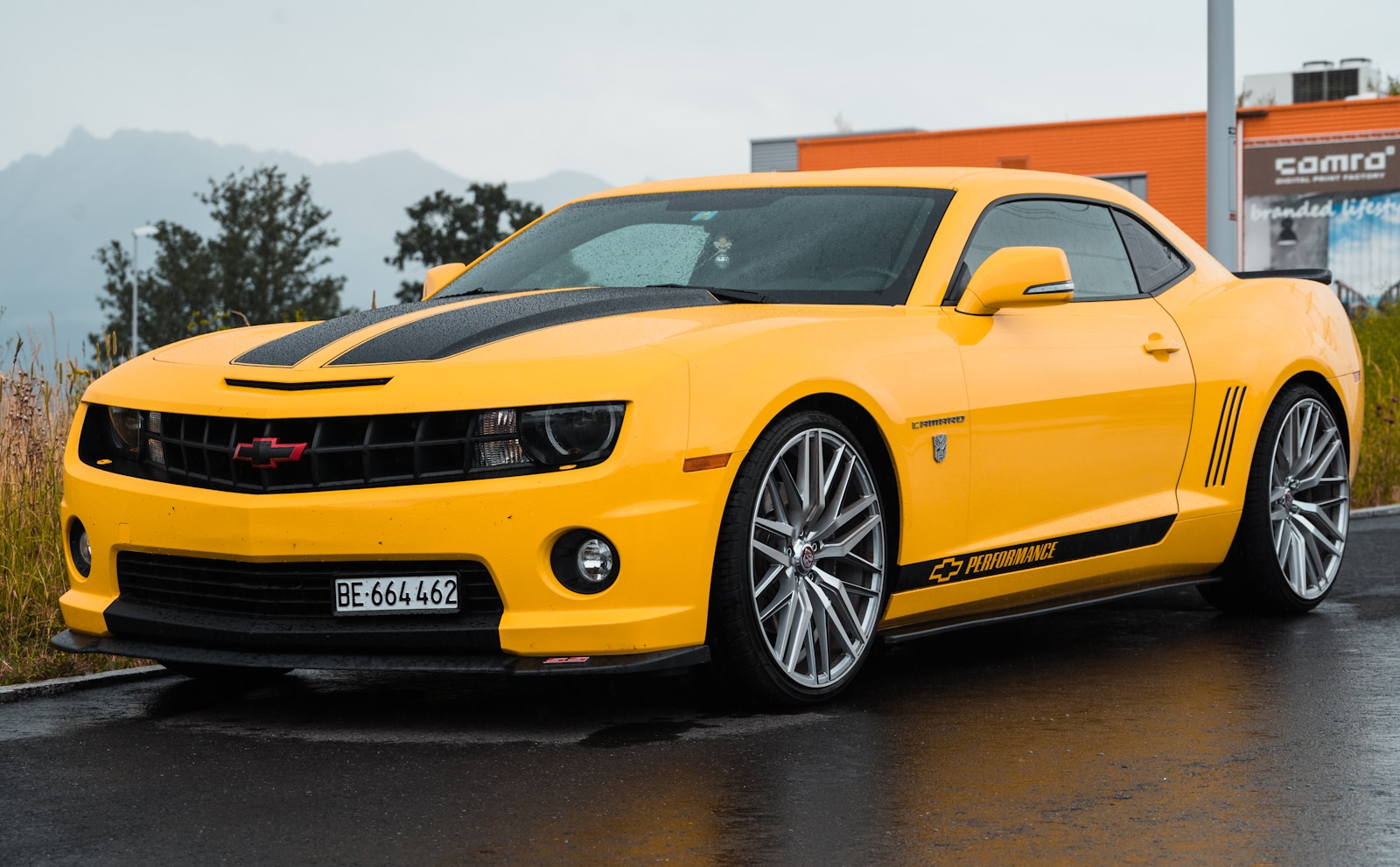

Insurance.com’s own vehicle-level premium data puts the average annual cost to insure a 2024 Ford Mustang at $2,909, a Chevrolet Camaro at $2,661, and a Dodge Charger at $2,456. Run each nameplate’s most powerful available engine against its premium and the value gap is stark: a Charger Hellcat buyer gets roughly 0.29 horsepower for every dollar of annual premium, while a Mustang Dark Horse buyer gets about 0.17. Dodge’s V8 lineup, before it disappeared, was simply the cheapest way to buy horsepower and still get it insured.
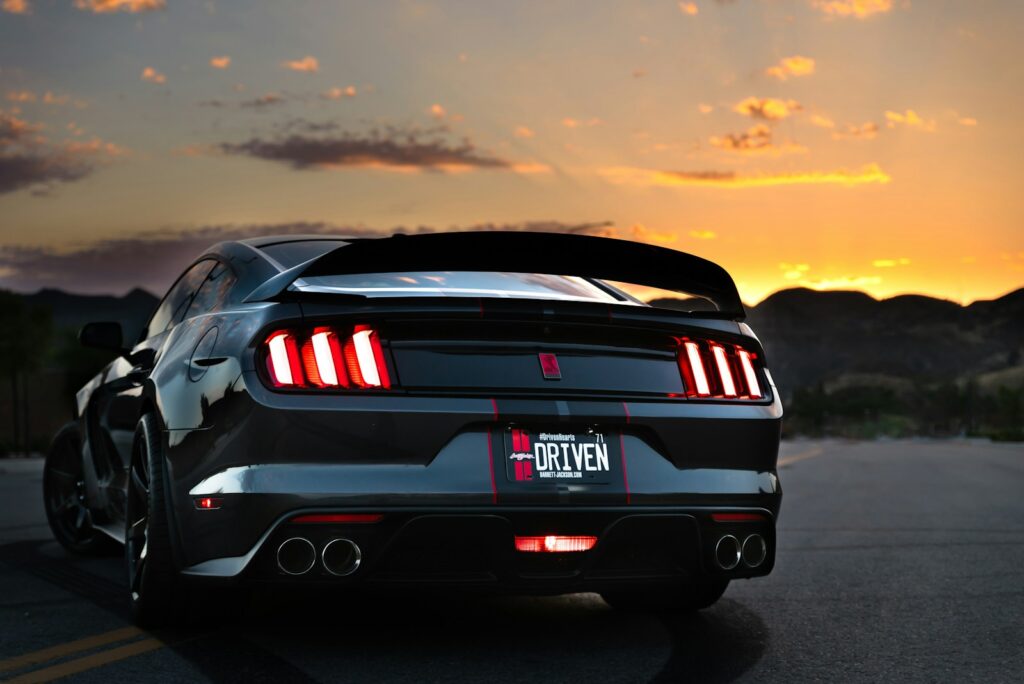
Ford Mustang: $2,909 a Year Buys You Up to 500 Horsepower
Ford’s own spec sheet tops the current Mustang range at 500 horsepower in the Dark Horse trim, with the volume-selling GT at 480 horsepower from its naturally aspirated 5.0-liter V8. Against the $2,909 blended average annual premium insurance.com reports for the nameplate, that works out to about 0.165 horsepower per premium dollar on the GT and 0.172 on the Dark Horse. It’s the weakest showing of the three nameplates studied here, largely because the Mustang is the only one of the three still in full production and carrying a correspondingly higher new-car premium base.
Chevrolet Camaro: A Better Ratio, Right Up to Its Final Model Year
Chevrolet built its last Camaro in January 2024, and insurance.com’s data pegs that final model year’s average annual premium at $2,661, actually cheaper than the still-in-production Mustang. Set that against the outgoing SS trim’s 455-horsepower 6.2-liter V8 and you get roughly 0.171 horsepower per dollar, and against the supercharged 650-horsepower ZL1 you get 0.244 — nearly 50% better value than the Mustang GT on the same math. The Camaro’s discontinuation makes this the last chance to buy that ratio new; every one from here forward is a used-market transaction.
Dodge Charger: The Value Leader, at Least Until the V8 Went Away
The outgoing gas-powered Dodge Charger, built through the 2023 model year in trims from SXT up through the 807-horsepower Charger SRT Super Stock, carries an average annual premium of $2,456, the lowest of the three nameplates. Against the 707-horsepower SRT Hellcat, that’s about 0.288 horsepower per premium dollar; against the Super Stock’s 807 horsepower, it climbs to roughly 0.329 — nearly double the Mustang’s ratio and the best figure in this comparison by a wide margin, on a nameplate insurers apparently priced more like a family sedan than a supercar-slaying V8.
The Ratio Gets Even Better if You Shop Around
Those averages already favor the Dodge and Chevy nameplates, but insurer-by-insurer data pushes the gap further. Insurance.com lists GEICO quoting the Charger at $1,992 annually, well below the $2,456 blended average, which would push the Hellcat’s ratio to roughly 0.355 horsepower per dollar. Nationwide’s Camaro quote of $2,156 does something similar for the ZL1, nudging its ratio up toward 0.302. The spread between insurers on the same car is often larger than the spread between nameplates, which matters just as much as engine choice if you’re actually trying to maximize this ratio in practice.
Where Challenger Fits, and Why It’s Missing Here
The Dodge Challenger, which shared its Hellcat and Scat Pack drivetrains with the Charger and ended production alongside it after the 2023 model year, no longer appears as an active listing in insurance.com’s current vehicle-rate database, which now tracks Dodge’s active lineup rather than discontinued nameplates. Rather than estimate a number that can’t be tied to a live, sourced premium figure, this comparison sticks to the three nameplates — Mustang, Camaro, and Charger — for which insurance.com currently publishes verifiable annual premium data.
Why the Math Favors Retired Nameplates Over Active Ones
The clearest thread running through all three nameplates is that insurers appear to price a muscle car largely on the basis of the badge and body style, not the engine under the hood — which is exactly why the horsepower-per-dollar math swings so hard toward the Charger and Camaro. Both were priced, insured, and driven for years as familiar, high-volume nameplates before their most powerful trims quietly became the performance bargain of the segment, while the Mustang, as the only nameplate left standing, carries the premium that comes with still being new.
Once you divide horsepower by premium dollars instead of by sticker price, the muscle car market stops looking like a horsepower race and starts looking like an actuarial one, where the biggest winners are the buyers who found the trim insurers hadn’t caught up to yet.