
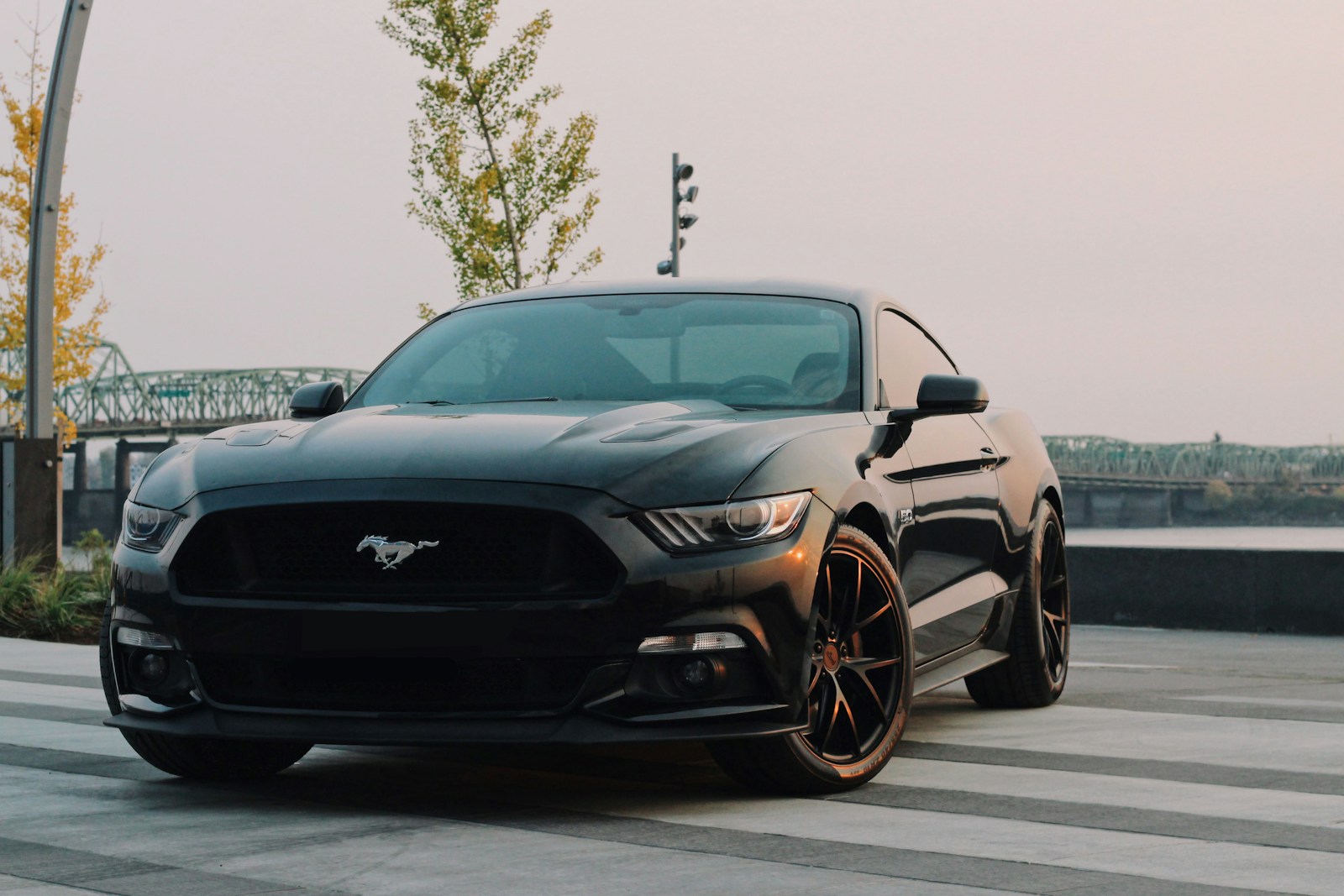

A Mustang EcoBoost coupe runs $3,712 in insurance costs over five years of ownership, while a Mustang GT Premium coupe runs $4,848 over the same stretch, a $1,136 gap worth roughly 31 percent more for the V8 car, according to Edmunds’ own True Cost to Own data for the 2024 model year. Even the base GT, without the Premium package, comes in at $4,247, still $535 higher than the EcoBoost over five years. One important note before the numbers: Ford dropped the V6 Mustang after the 2017 model year, so the real matchup on today’s showroom floor isn’t V6 against V8, it’s the turbocharged 2.3-liter EcoBoost four-cylinder against the 5.0-liter V8, and the insurance gap between them is bigger than most cross-shopping buyers expect.
The trim-by-trim numbers, spelled out
Edmunds’ cost-to-own breakdown, which models insurance as its own line item separate from depreciation, fuel, and maintenance, shows the EcoBoost coupe starting around $699 in year one and climbing to $787 by year five. The EcoBoost Premium convertible runs a bit higher, from $744 to $837 across the same window. The GT coupe starts at $800 and reaches $900, and the GT Premium coupe and convertible both start at $913 and hit $1,028 by year five. Line those up side by side and the V8 premium holds steady every single year of ownership. It isn’t a one-time surcharge at signing. It’s a recurring cost you pay every renewal for as long as you own the car.

Insurers are pricing the horsepower, not the badge
The mechanical reason behind that gap sits right on Ford’s own spec sheet. The current Mustang EcoBoost makes 315 horsepower and 350 lb-ft of torque, while the GT’s 5.0-liter V8 makes 480 horsepower and 415 lb-ft of torque, rising to 486 horsepower with the available active valve performance exhaust, according to Ford’s own model specifications. That’s a 165-horsepower gap between the two engines available in the same car, wearing the same body, with the same insurable driver profile behind the wheel. Insurers aren’t charging more because a V8 sounds better at a stoplight. They’re charging more because horsepower correlates directly with how fast a car can get into trouble and how expensive that trouble tends to be once it happens.
The aggregate number hides how much the trim actually matters
If you only looked at blended averages, you’d miss this entirely. Insurance.com’s own rate data puts the average cost to insure a 2024 Mustang, across every available trim from EcoBoost to GT Premium, at $2,909 per year, with GEICO’s blended rate for the model coming in around $2,637. That single number is genuinely useful for sizing up the Mustang against a completely different car, but it’s close to useless for a buyer choosing between two Mustang trims sitting on the same lot, since it averages away exactly the gap that matters to your actual premium. The same Insurance.com data shows the Mustang’s blended average climbing from $2,655 in 2021 to $2,909 by 2024, a broad four-year increase that tells you nothing about how much of that rise landed on the EcoBoost buyer versus the GT buyer, which is precisely the question a trim-level breakdown like Edmunds’ actually answers.
The extras that come with the GT badge add their own cost
Horsepower isn’t the only variable stacking the bill. A GT carries larger brakes, wider performance tires, and in many configurations a more aggressive limited-slip rear end, all of which cost more to replace after a claim than the EcoBoost’s comparatively modest running gear. Insurers underwrite to total claim cost, not just claim frequency, so a GT that gets into the same fender-bender as an EcoBoost can generate a materially larger repair bill purely on parts, before anyone even factors in how much faster the GT was capable of going when the accident happened. Even the visual cues matter to an underwriter’s rating tables: a car marketed and equipped as a performance trim tends to get driven differently than the volume trim of the same nameplate, and rate filings are built around exactly that kind of real-world behavioral data pulled from years of claims across the model line.
None of this makes the V8 the wrong buy. It makes it a different bet, one where you’re knowingly trading a real, recurring annual cost for real horsepower you can feel every time you get on the throttle. The mistake isn’t choosing the GT. It’s assuming the sticker price is the whole story when the insurance line, paid every year you own the car, is where a meaningful chunk of that V8 premium actually lands.