
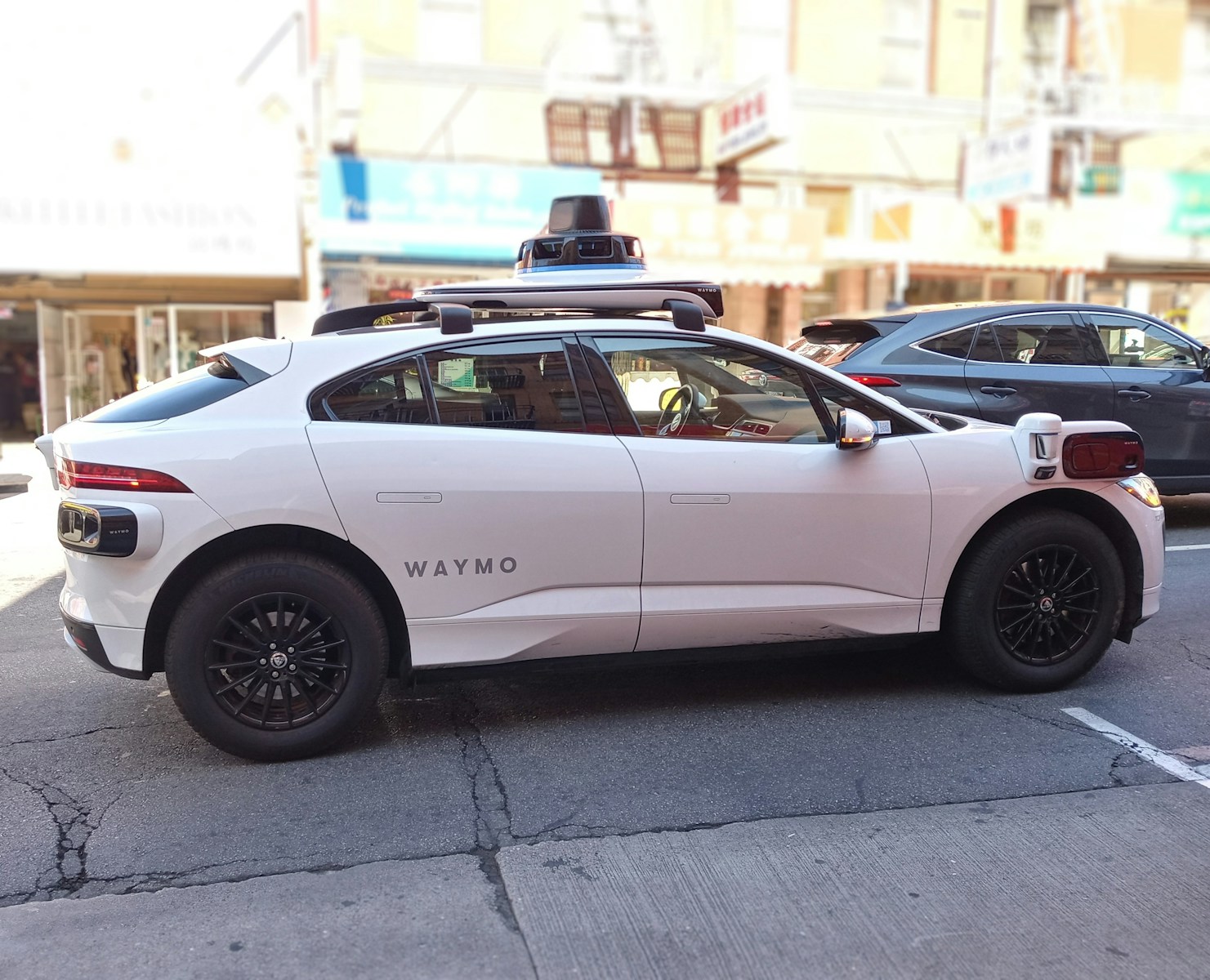

Alphabet’s Waymo and Amazon’s Zoox both pushed into new US markets within the same week, a coincidence of timing that says a lot about how fast the robotaxi business is moving. Waymo announced paid driverless rides in Denver, San Diego, and Tampa on September 1, pushing its total footprint to 14 US cities and its fleet past 4,000 vehicles. Zoox confirmed its own expansion into San Diego and Houston the same week, with test vehicles rolling out ahead of a future paid launch.
The overlap between the two companies’ announcements is limited to one city: San Diego, where Waymo is going straight to paid rides while Zoox is starting with a mapping and testing phase. According to reporting from TechCrunch and Reuters, Waymo’s rollout will “begin inviting riders on a rolling basis and slowly ramp up access” in each new market, following the same gradual playbook it’s used since first expanding beyond Phoenix.
Key Points
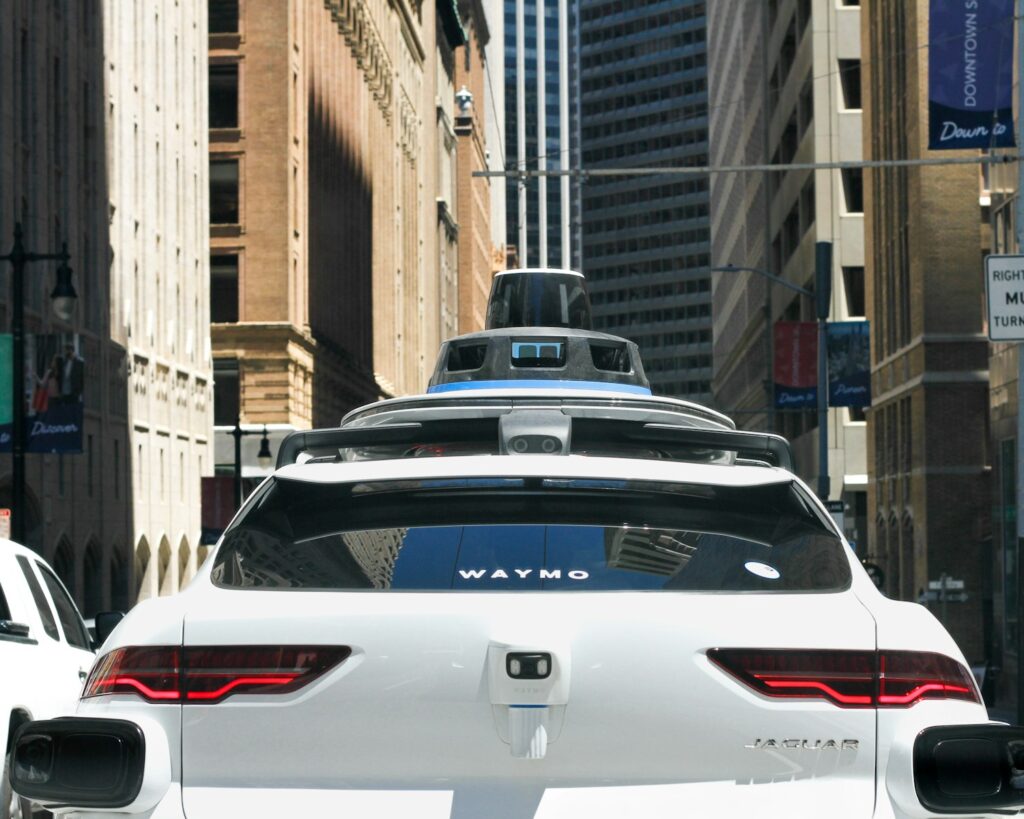
- Waymo’s driverless fleet has grown past 4,000 vehicles, a mix of Jaguar I-Pace SUVs and roughly 300 of its newer Zeekr-built Ojai minivans.
- Denver, San Diego, and Tampa mark Waymo’s newest paid-ride markets, bringing its US city count to 14.
- Zoox is deploying retrofitted test SUVs with human safety drivers in San Diego by the end of September, ahead of its purpose-built, steering-wheel-free robotaxi.
- Zoox is also expanding testing to Houston, and already runs paid rides in Las Vegas as of August 2026, plus free rides in San Francisco, Austin, and Miami.
- Zoox plans to build a local depot in San Diego for vehicle charging and maintenance.
Both companies are chasing the same prize: a driverless ride-hailing market that Tesla is also fighting for. Tesla currently runs limited driverless Model Y robotaxi service in Austin, Dallas, Houston, Miami, Orlando, and Tampa, and is developing the Cybercab, a purpose-built two-seat robotaxi with no steering wheel or pedals, according to Reuters’ coverage of the expansion. With Tesla, Waymo, and Zoox all now running or testing driverless service in overlapping Sun Belt cities, the three-way race has stopped being theoretical.
Zoox’s approach differs sharply from Waymo’s. Rather than launching directly with its “toaster-shaped” purpose-built robotaxi — a carriage-style vehicle with no driver’s seat at all — the company is starting new markets with conventional SUVs retrofitted with sensors and cameras, driven manually to build out detailed street maps before any autonomous or paid service begins. “We already maintain a local office in San Diego and plan to build a local depot for vehicle charging and maintenance, creating new jobs in the area,” a company spokesperson said, according to reporting from Times of San Diego.
What This Means for Riders
- Denver, San Diego, and Tampa residents can expect Waymo access to open gradually rather than all at once.
- San Diego riders won’t see Zoox robotaxis on the road immediately — the current phase is mapping and testing with a human behind the wheel.
- Not every city with test vehicles will necessarily get paid service on the same timeline; Zoox has moved from free to paid rides at very different paces in Las Vegas versus San Francisco.
The bigger picture is a driverless-ride market that no longer has one clear leader. Waymo still has by far the largest operating fleet and the most cities with actual paid service, but Zoox’s backing from Amazon and Tesla’s manufacturing scale mean none of the three companies can afford to sit still.