
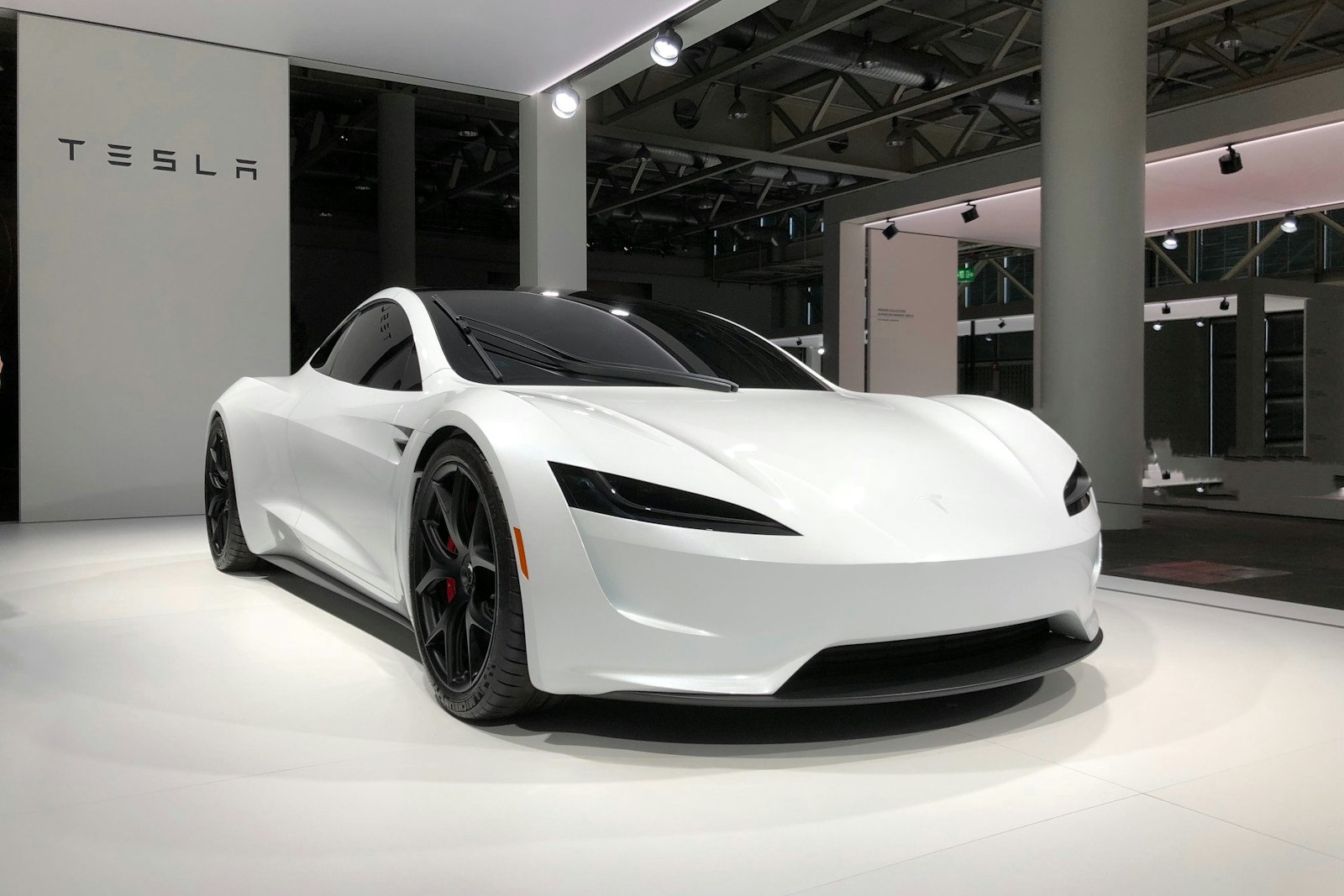

The Tesla Model S makes up roughly 0.5% of the electric vehicles on U.S. roads. It’s responsible for 3.97% of repairable battery-related EV insurance claims — a claims share nearly eight times its share of the fleet. That gap comes straight from Insurify’s own EV insurance cost report, published using claims data compiled by Cox Automotive and Mitchell, and it’s the kind of number that explains why the Model S carries one of the highest insurance bills of any EV sold in America despite being one of the oldest, most understood nameplates on the market.
Insurance premiums are supposed to track risk, and battery-pack claims are exactly the kind of risk insurers price aggressively: high parts cost, limited repair-shop capability, and long turnaround. Insurify’s report puts it plainly through senior carrier partnerships manager Daniel Lucas, who said “when your car needs a specialist and the nearest qualified shop has a three-week wait, that’s not just an inconvenience — it shows up in your premium.” A car that files disproportionately more of those specialist claims is a car whose premium reflects it.

The Most Expensive EVs to Insure Right Now
The same report ranks full-coverage annual premiums across the EV market, and a Mercedes-Benz currently sits at the very top — not a Tesla:
- Mercedes-Benz EQS Sedan — $4,703 a year, the single most expensive EV to insure in the country.
- Tesla Model S — $4,558 a year, second overall and the priciest Tesla to insure, ahead of even the Model X.
- BMW i5 — $4,554 a year, close enough to the Model S to be a rounding error.
- Tesla Model 3 — $4,489 a year, despite being Tesla’s volume seller and its cheapest car to buy.
- Tesla Cybertruck — $4,135 a year, notable given how little claims history exists for the model.
Four Teslas land in the ten priciest EVs to insure nationally, which tracks with the brand’s overall claims profile — but the Model S specifically stands out because its market share and its claims share are so lopsided. A car that’s genuinely rare on the road shouldn’t, in a well-functioning risk pool, be filing claims at nearly eight times the rate its population would predict.
Why the Model S Skews This Hard
Part of the answer is simple age and mileage. The Model S has been on sale since 2012, longer than any other EV in the current market, which means more accumulated miles, more aging battery packs, and more owners driving cars well outside any bumper-to-bumper coverage window. Part of it is architecture: Tesla’s structural battery pack designs, especially on later Model S variants, are bonded into the chassis in ways that turn even moderate collision damage into a full pack replacement rather than a repair. And part of it is the repair network itself — Tesla-certified body shops remain thin on the ground relative to how many Teslas are actually registered, which is the exact bottleneck Lucas was describing.
None of this makes the Model S a bad car to own. It makes it an expensive one to insure relative to what its numbers on the road would suggest, and that’s a distinction that matters at renewal time far more than it does at the dealership. A shopper comparing a Model S against an EQS or an i5 on sticker price alone is comparing three cars with nearly identical insurance bills regardless of which one costs more to buy — and a shopper comparing a Model S against a Model 3 is looking at Tesla’s own lineup pricing nearly $70 apart on premium despite a roughly $30,000 gap in MSRP.
Mitchell’s own Plugged-In quarterly collision report, the same data source Insurify draws from, shows battery-electric vehicles running at 3.32% of all U.S. repairable claims industry-wide as of its second-quarter 2026 update — which makes the Model S’s 3.97% share of battery-specific claims look even more concentrated once you separate “an EV got in an accident” from “an EV’s battery pack was the thing that got hit.”
The broader EV insurance market is still catching up to a decade-plus of Tesla claims data in a way it simply hasn’t had time to do for newer entrants like the Cybertruck or the EQS. As battery-electric fleets age further and more packs move outside warranty coverage across every brand, the claims-share-versus-fleet-share gap the Model S is running right now may end up looking less like an outlier and more like a preview.