
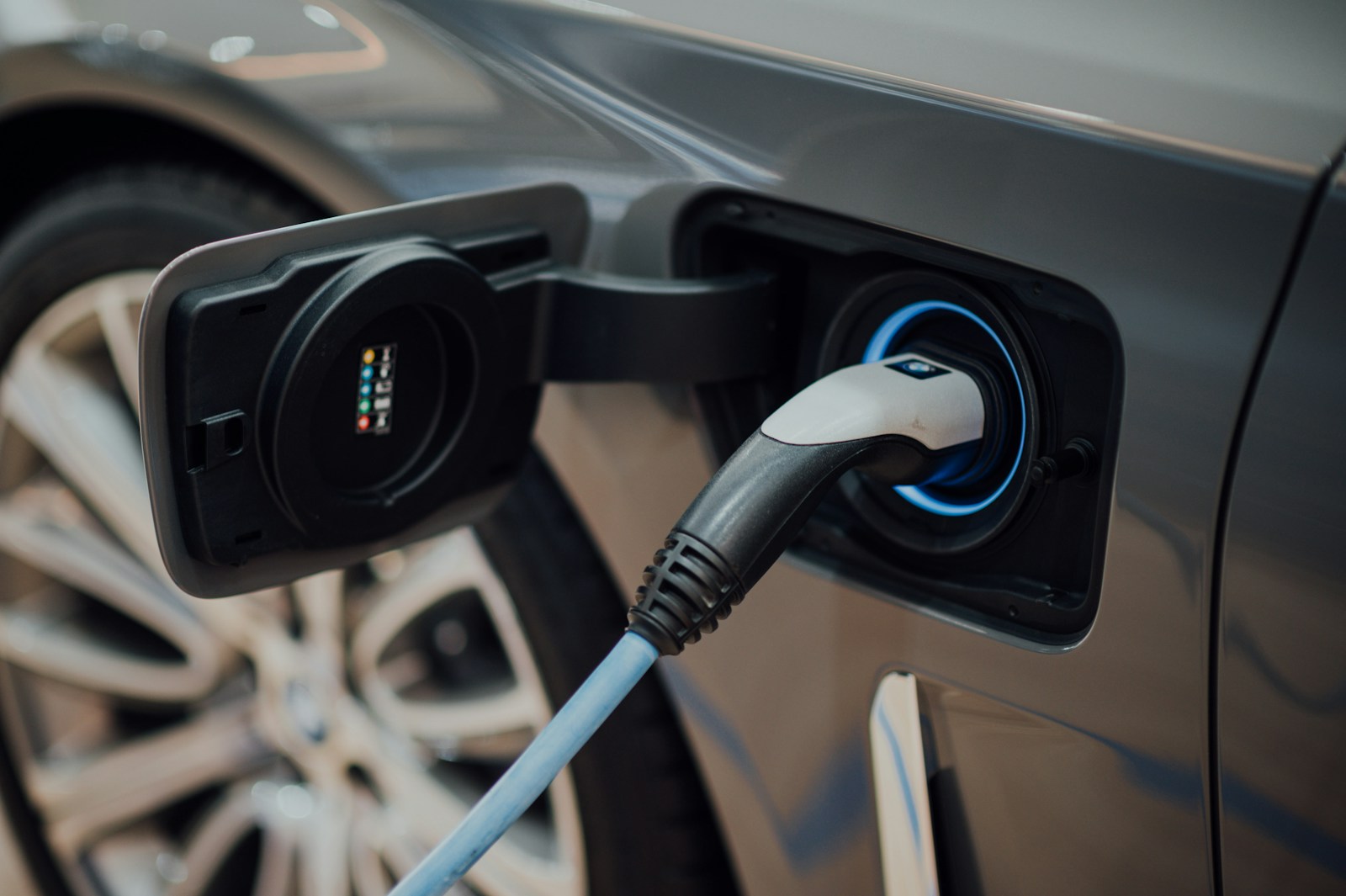

Plug-in hybrids are now the least dependable powertrain type you can buy, according to J.D. Power’s own data. The 2026 U.S. Vehicle Dependability Study clocked PHEVs at 281 problems per 100 vehicles, worse than full battery-electric vehicles, worse than conventional hybrids, and worse than plain gas engines — worse, in fact, than every other powertrain category the study tracks.
- Plug-in hybrids: 281 PP100 — up 39 points year over year, the steepest year-over-year jump in problems of any powertrain type and now the worst score in the study.
- Battery-electric vehicles: 237 PP100 — up 14 points, still well above the industry average.
- Conventional hybrids: 213 PP100 — up 14 points as well, and roughly in line with the industry-wide figure.
- Gas-powered vehicles: 198 PP100 — up just 2 points, the smallest year-over-year increase of any powertrain and the most dependable category overall, according to J.D. Power’s official release.
Why Plug-Ins Are Struggling
A plug-in hybrid asks more of a vehicle’s engineering than either a pure EV or a pure gas car. It carries a full internal combustion drivetrain — engine, transmission, exhaust, fuel system — while also carrying a battery pack, an electric motor, onboard charging hardware, and the software layer that has to coordinate seamless handoffs between the two power sources. That’s two complete propulsion systems bolted into one vehicle, each with its own failure points, plus a control layer stitching them together that neither a gas car nor a full EV needs at all.

The dependability study’s broader theme — a study-record 204 problems per 100 vehicles industry-wide — already points to infotainment and software as the era’s dominant reliability drag, and plug-in hybrids sit at the intersection of every software complaint an EV owner might have plus every mechanical complaint a gas-engine owner might have. J.D. Power’s director of auto benchmarking, Jason Norton, noted in the study’s release that software updates meant to smooth out these issues are landing unevenly: only 27% of owners who received an over-the-air update said it actually improved their experience, and updates overall were tied to a 14% increase in reported problems rather than a decrease.
What This Means If You’re Cross-Shopping
Plug-in hybrids have spent the past several years marketed as the compromise pick — gas-engine range anxiety solved, EV-style efficiency for the daily commute, no dealer-lot hesitation about charging infrastructure. J.D. Power’s own dependability numbers complicate that pitch. A shopper choosing a PHEV specifically to avoid the reliability question marks associated with early battery-electric ownership is, per this data, choosing the powertrain type with the worst score in the entire study — worse than the EVs it was supposed to be the safer alternative to.
Trade coverage of the study from CBT News flagged the same widening gap between electrified and gas powertrains without singling out plug-ins specifically — this is where the plug-in-specific number actually lands: dead last. That doesn’t mean every plug-in hybrid on sale is unreliable, and it doesn’t mean the technology is a dead end — automakers are still in the early years of getting dual-powertrain software to behave, the same way EV manufacturers spent years working out battery-management bugs that have since largely faded from the complaint data. But for a segment sold on the idea of splitting the difference between two more mature technologies, plug-in hybrids are currently delivering the dependability record of neither one.