
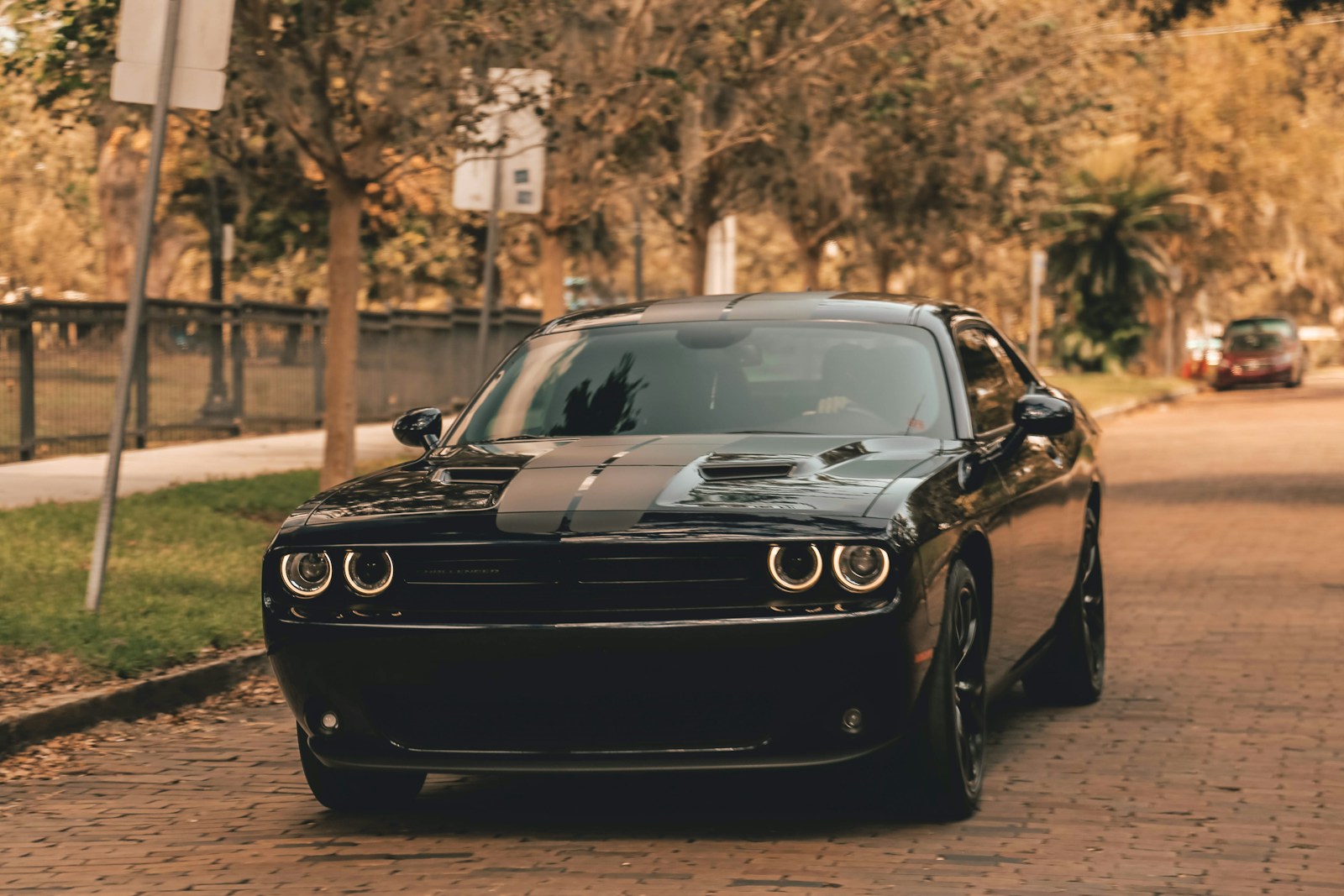

Baby Boomers were born between 1946 and 1964, which puts the youngest of them at 62 and the oldest at 80 this year. That single generation is still the demographic writing most of the checks for classic muscle cars, and Hagerty’s own analysts are already saying out loud that a real reckoning is coming once they stop. Muscle cars from the 1964-72 era made up 5.3% of all vehicles that crossed Hagerty-tracked auction blocks in 2024 and 6.4% of total sales value — $273 million — at an average price of $78,000 per car, well above the $61,000 average across the entire collector market, according to Hagerty’s own market analysis. That premium exists because one generation has spent three decades bidding these specific cars up. The question is what happens to the price when that generation stops bidding.
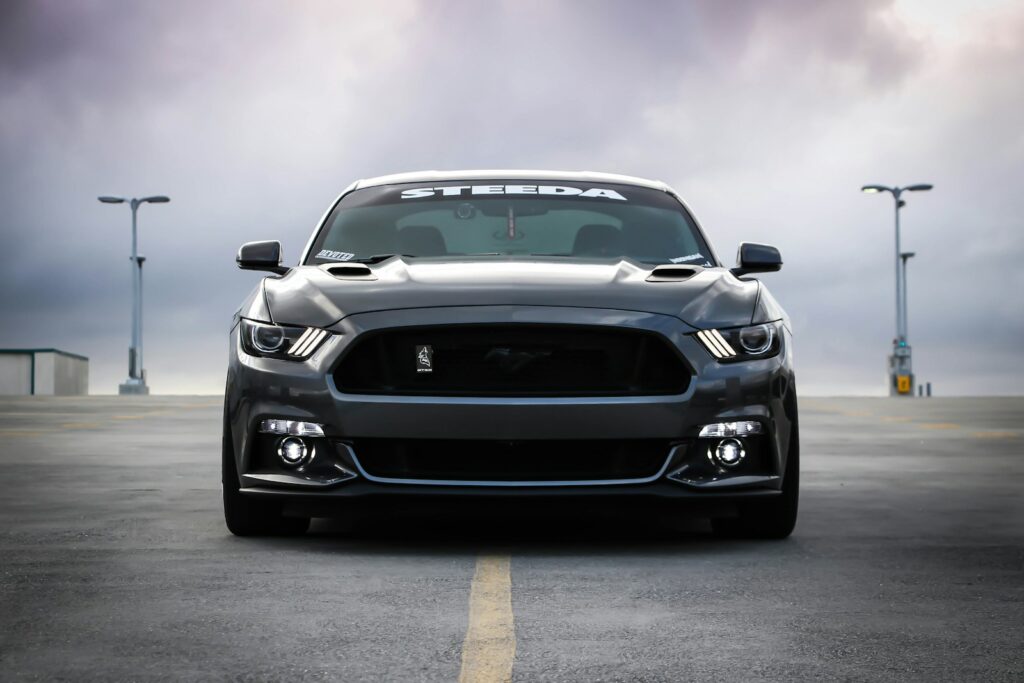
The generation that still calls the shots. Boomers didn’t start out paying muscle-car prices for muscle cars — they created the demand that made those prices possible in the first place, decades after these cars were new. Hagerty’s own valuation experts trace the real climb in muscle car values back to the 1990s, when Boomers who’d grown up wanting a GTO or a Boss 429 as teenagers finally had the income to go buy one, whether as a restoration project or a straight investment. That wave of nostalgia buying is still the engine running the segment today, three decades later.
It’s already happening to other segments. Muscle cars aren’t the only part of the market riding a single generation’s enthusiasm, and the softening has already started elsewhere. Hagerty’s own data shows the market’s traditional middle — ordinary prewar sedans and common 1950s cruisers — has already softened in real terms “as the generation that cherished them ages out of active buying,” a pattern documented in a Hagerty-sourced generational breakdown published by Nationwide’s agent network. Muscle cars from the ’60s and ’70s are the next segment in line, having had their own moment at the top of the market on the back of “the nostalgia of an aging, predominantly older collector base,” per the same data.
Where the bargain-basement prices actually came from. The cheap prices these cars carried before Boomers started buying them back are the flip side of the same story. A 1967 Pontiac GTO H.O. sold for just $150 during the scrap-value years of the 1970s and ’80s, and a 396-powered El Camino SS that cost $600 at the time felt expensive to the buyer, according to automotive writer John L. Stein’s own account in Hagerty’s muscle car analysis. Those prices weren’t a fluke — they reflected a stretch when the generation that had originally wanted these cars had moved on and nobody younger had stepped in yet to replace that demand. It took the Boomers themselves circling back, checkbooks in hand, to turn those same cars into six-figure auction stars.
Why the next generation isn’t stepping up the same way. Hagerty’s own data on younger buyers complicates the succession story further. Boomers themselves now show only 33% ownership interest in classic and collectible vehicles — the lowest rate of any older generation Hagerty tracks — while Millennials post 57% ownership interest and Gen Z 53%, according to the same Nationwide-published breakdown of Hagerty figures. But those younger, more enthusiastic buyers aren’t chasing the same cars: Millennials gravitate toward square-body pickups and JDM performance cars, and Gen Z’s top-called vehicle is the Mazda Miata, not a Chevelle or a Charger. Hagerty’s own muscle car writing notes that buyers who spent their formative years priced out of classic muscle have largely built loyalty to Japanese tuner cars, European sports cars and classic trucks instead — categories that don’t automatically inherit the demand a GTO or a Boss 429 currently commands.
A Decade, Not a Cliff
Hagerty’s own Muscle Car Index has already trended downward in recent years, even with Boomers still actively buying, and the firm’s own valuation specialist Garrett Reed has predicted a further value drop within 10 to 15 years as that generation exits the market for good. Reed frames a pullback as an opening rather than a collapse — a lower entry point that could eventually pull in a different kind of buyer, the same way earlier corrections have reshuffled other segments of the collector market before. Nobody tracking the data is calling for a crash. But the generation that turned $150 GTOs into $75,000 auction cars is now between 62 and 80 years old, and the numbers say their exit from the market, whenever it fully arrives, won’t be free.