
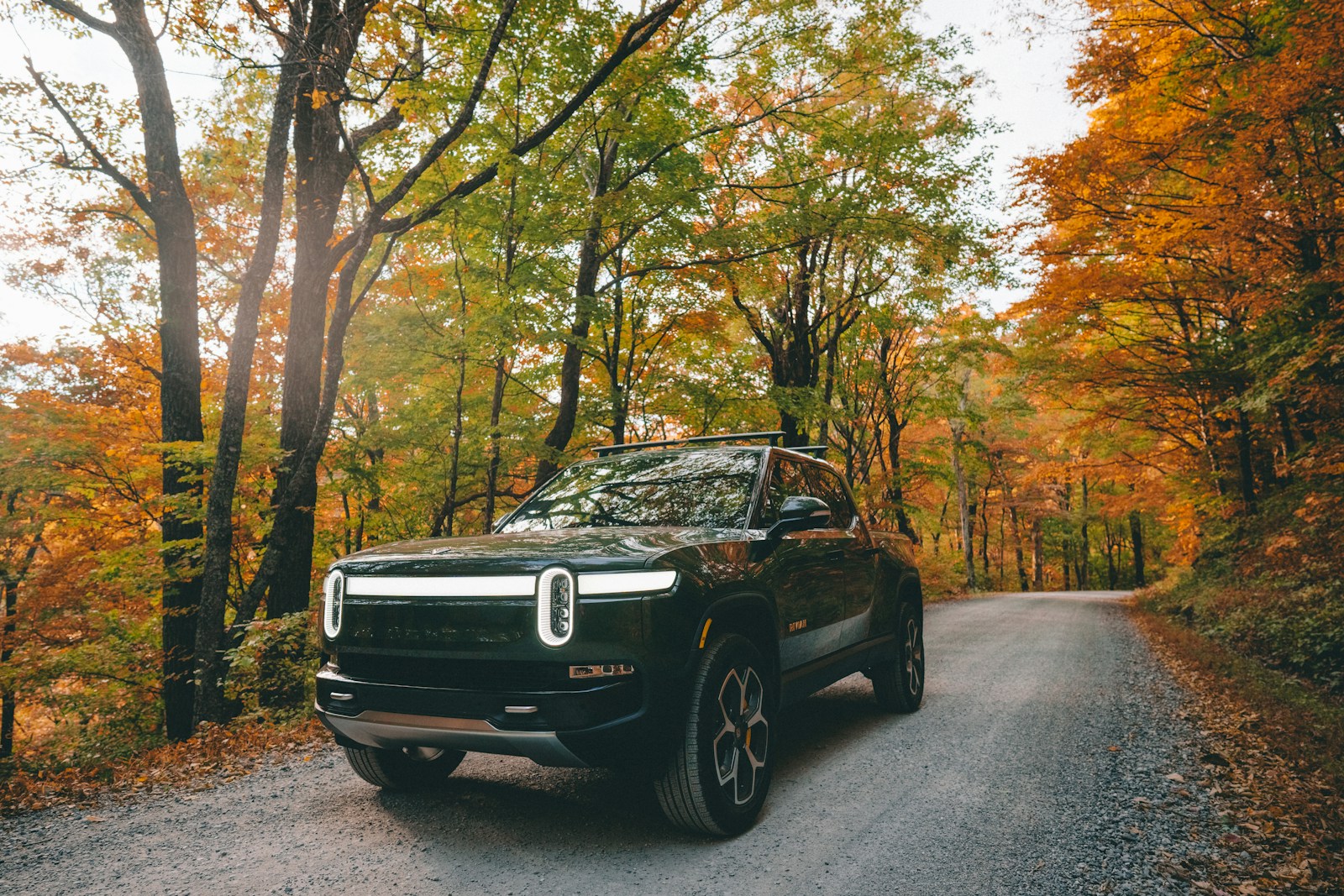

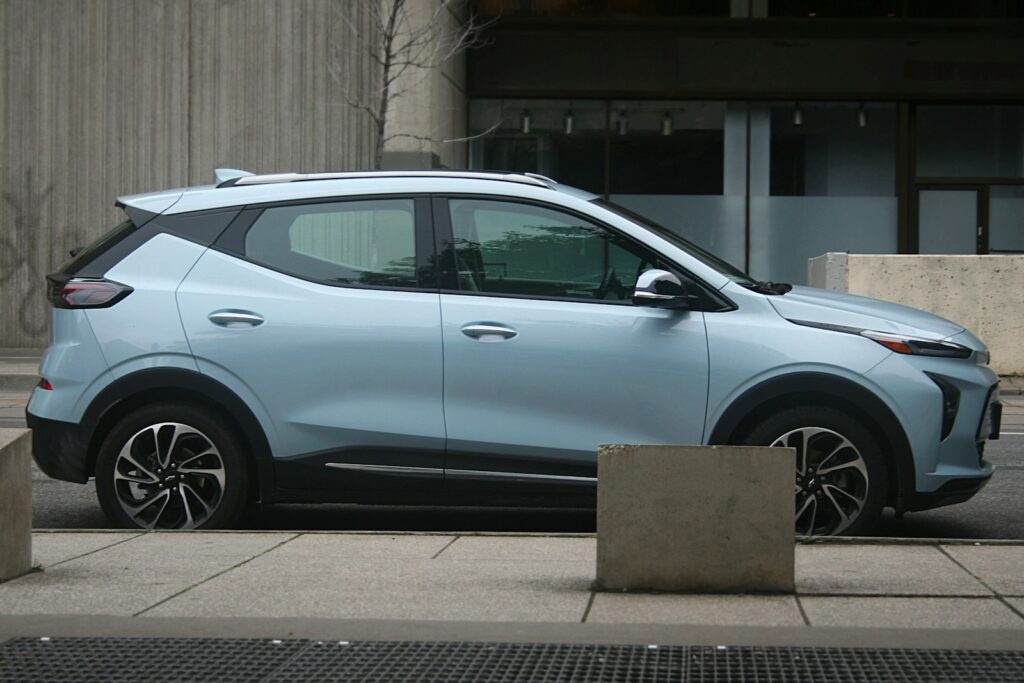
Consumer Reports has published its 2026 reliability rankings, and six electric and hybrid models most buyers would recognize by name landed in the bottom 10: the Rivian R1T, Kia EV6, Kia EV9, Chevrolet Blazer EV, Honda Prologue, and Genesis GV60. The rankings come from Consumer Reports’ own owner survey data, drawn from more than 350,000 vehicles across recent model years.
Key Points
- Consumer Reports scored vehicles across 20 separate trouble areas, from minor annoyances like squeaky brakes to major failures involving EV batteries and charging systems.
- The Rivian R1T ranked near the bottom of the entire list, with owners reporting electric motor and battery malfunctions alongside faulty electric door handles and steering and suspension issues, according to Consumer Reports data compiled by Quartz.
- The Kia EV6 and EV9 both showed recurring EV battery, electric motor, and charging control unit problems.
- The Chevrolet Blazer EV logged frequent 12-volt battery failures and infotainment screens that freeze or go dark.
- The Honda Prologue, built on shared GM EV architecture, showed charging faults and climate-system issues serious enough that some owners needed full battery replacements.
- The Genesis GV60 reported EV battery failures requiring complete replacement in documented cases, along with interior trim deterioration.
This isn’t Rivian’s first appearance near the bottom of a Consumer Reports list. Rivian’s lineup ranked last among all automakers in the outlet’s prior brand-reliability survey, with the publication noting the brand’s SUV and pickup reliability sat “below or well below the average of other automakers’ vehicles” even as Rivian topped a separate owner-satisfaction survey the same year.
The pattern across this year’s bottom 10 is consistent: nearly every EV and hybrid on the list traces its worst complaints back to the battery, the electric motor, or the software managing them, not to the kind of mechanical wear that sinks a gas engine. Chrysler’s Pacifica Hybrid and two Mazda CX-90 variants rounded out the rest of the bottom 10, alongside the GMC Acadia, which posted the single lowest reliability score of any vehicle Consumer Reports tested this cycle.
For shoppers cross-shopping any of these models, the takeaway isn’t that electrification itself is unreliable — plenty of hybrids and EVs score well above average in the same survey. It’s that newer nameplates and freshly redesigned platforms, electric or not, still carry more risk in their first few model years than an automaker’s proven, long-running lineup.
Consumer Reports draws its scores from its annual member survey rather than manufacturer-supplied warranty data, which is part of why the rankings can diverge sharply from an automaker’s own marketing claims. A model can post strong crash-test results and win praise from reviewers for how it drives and still land near the bottom of this list if enough owners report the same recurring failure. That gap between how a car feels on a test drive and how it holds up after two or three years of real ownership is exactly what this survey is built to expose.