
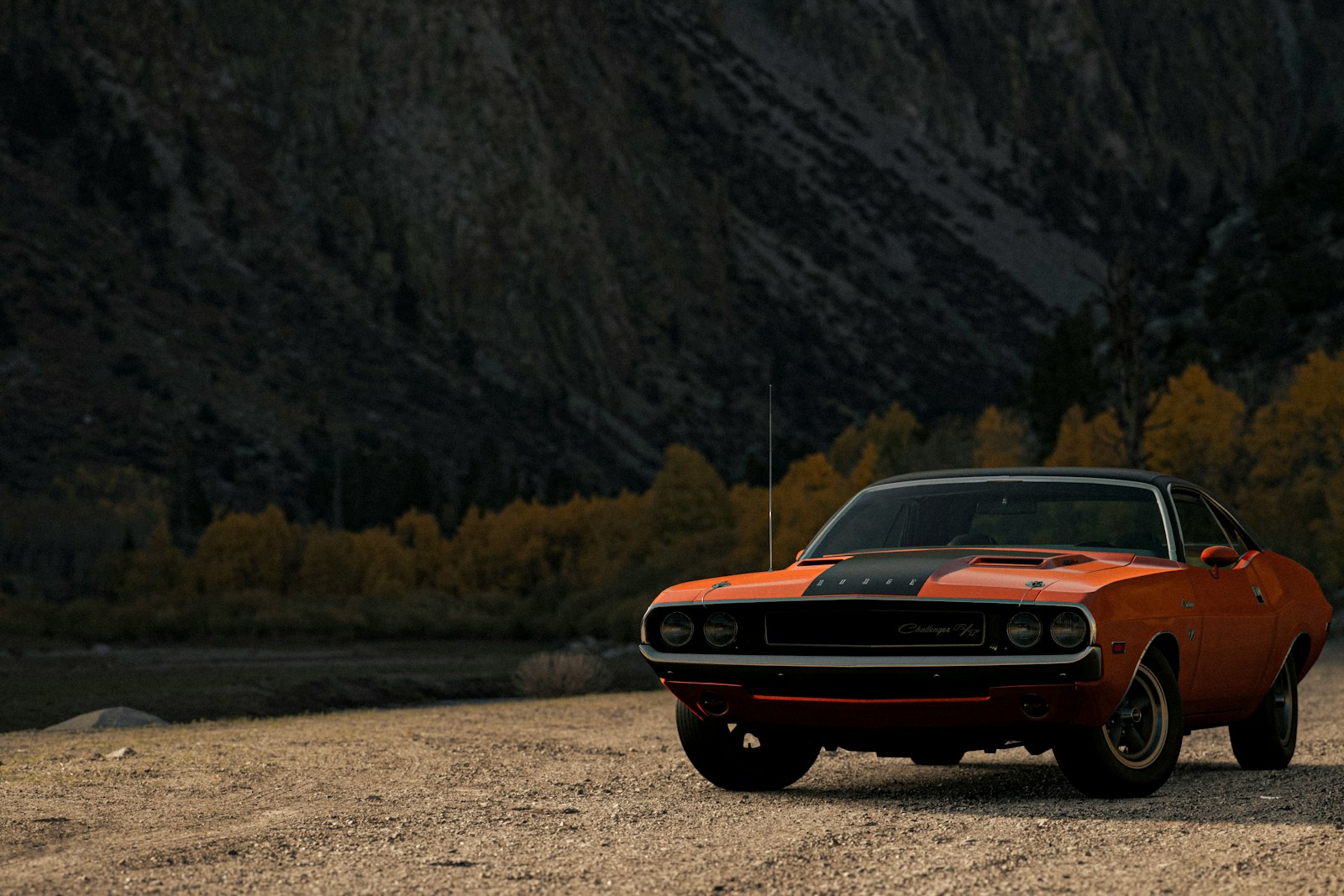

A muscle car sold at auction in 2024 brought home an average of $78,000, compared with $61,000 for the collector-car market as a whole — a premium of roughly 28 percent for cars most people can still find parked in a driveway rather than a museum. That gap comes straight from Hagerty’s own market analysis, and it holds even though muscle cars are a genuine minority of what actually crosses the auction block. The traditional 1964-72 muscle car era made up just 5.3 percent of all vehicles sold at auction that year, yet those same cars generated 6.4 percent of total auction dollars — about $273 million — because buyers are willing to pay disproportionately more for them relative to how often they actually come up for sale.
That 28 percent premium isn’t a one-year fluke. Hagerty’s data shows the pattern has held for most of the past two decades, with the single exception of the 2008 housing crash, when nearly every collector-car segment took a hit simultaneously. What’s kept muscle cars ahead of the broader market since then comes down to a straightforward demographic bet: Baby Boomers who grew up wanting a Charger, a Chevelle, or a Road Runner as teenagers are now the exact buyers with the disposable income to finally own one, and that generation has been willing to pay a premium other eras of collector car simply don’t command.
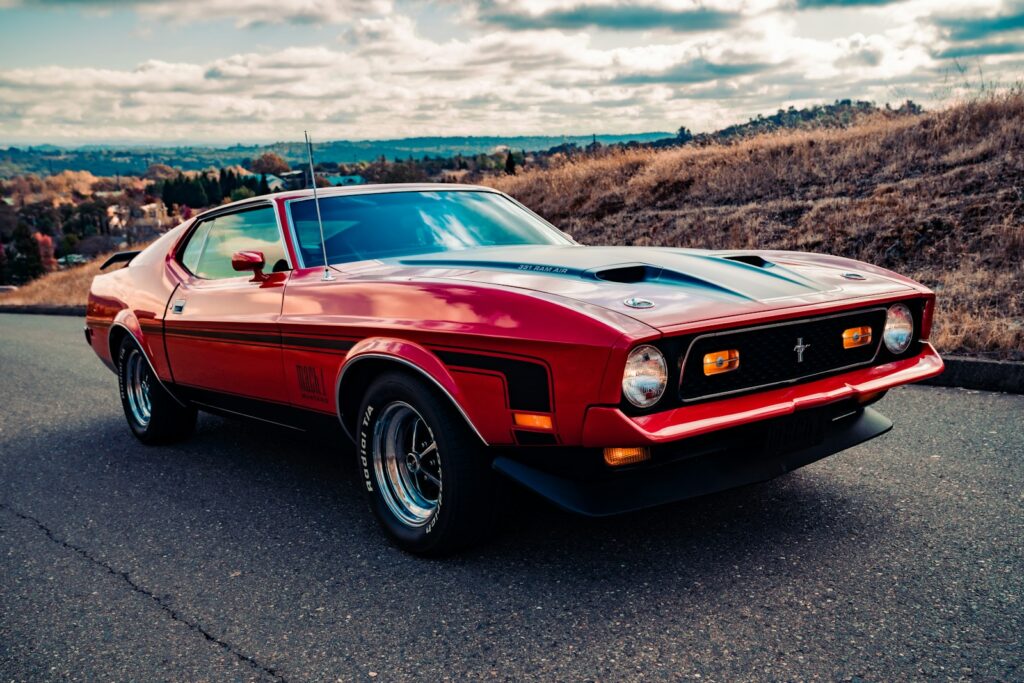
The premium shows up most clearly at the high end of the muscle segment rather than across every trim and body style equally. A numbers-matching Hemi ‘Cuda convertible or a documented COPO Camaro can pull seven figures at a major auction, dragging the segment’s average sale price well above what a garden-variety small-block coupe fetches on its own. But even setting aside the outliers, Hagerty’s insured-value data shows steady appreciation across the segment’s more attainable cars too — the 1990-93 Chevrolet 454 SS pickup, for instance, has seen its insured values climb 57 percent since 2021 alone, a car that wasn’t originally marketed as a collectible at all.
What makes the 28 percent premium more notable is that it’s happening inside a broader collector-car market that isn’t universally hot. Fox News, reporting on 2025 auction results, described the wider market as being reshaped by “a generational handoff as younger buyers enter,” with Kenneth Ahn, president of Hagerty Marketplace and Broad Arrow Auctions, noting that the average age of seven-figure vehicles sold at auction has gotten roughly 12 years newer over just the past five years. Online auction volume climbed 6 percent in 2025 to more than 50,000 vehicles sold, even as live in-person auction volume stayed essentially flat at around 21,000 cars — a market where younger buyers are increasingly chasing 1980s and ’90s “youngtimer” exotics instead of muscle cars from the ’60s and ’70s.
Hagerty’s own broader business results back up the idea that collector-vehicle demand overall is still expanding rather than shrinking. The insurer crossed 3 million insured vehicles in the second quarter of 2026 and added a record 279,000 new members in the first half of the year alone, according to Hagerty’s second-quarter 2026 earnings disclosures. That growth is happening across the entire collector-car spectrum, not just muscle cars, which makes the segment’s 28 percent price premium look less like a temporary sugar high and more like a structural feature of a market where the buyers with the most cash to spend are, for now, still the ones who wanted a muscle car when they were sixteen.
For anyone sitting on a muscle car and wondering whether to sell now or wait, the 5.3 percent auction-volume figure is worth paying attention to on its own. It means muscle cars are genuinely scarce relative to demand at major auctions — sellers aren’t competing against a flood of similar inventory the way owners of, say, common 1990s Japanese sports cars sometimes are. That scarcity, combined with buyers willing to pay a 28 percent premium over the market average, is exactly the kind of imbalance that tends to keep prices firm even when other segments soften. It’s also why a numbers-matching example with clean documentation continues to outperform a car with a murky ownership history by a wider margin in this segment than in almost any other.
The math won’t hold forever. Every collector-car segment tied primarily to one generation’s nostalgia eventually ages out as that generation’s buying power fades, and Hagerty’s own researchers have flagged the eventual handoff to younger buyers as the market’s biggest long-term question. For right now, though, the data says the same thing it’s said for most of the last twenty years: a muscle car at auction is worth more, dollar for dollar, than almost anything else with four wheels and a title.