
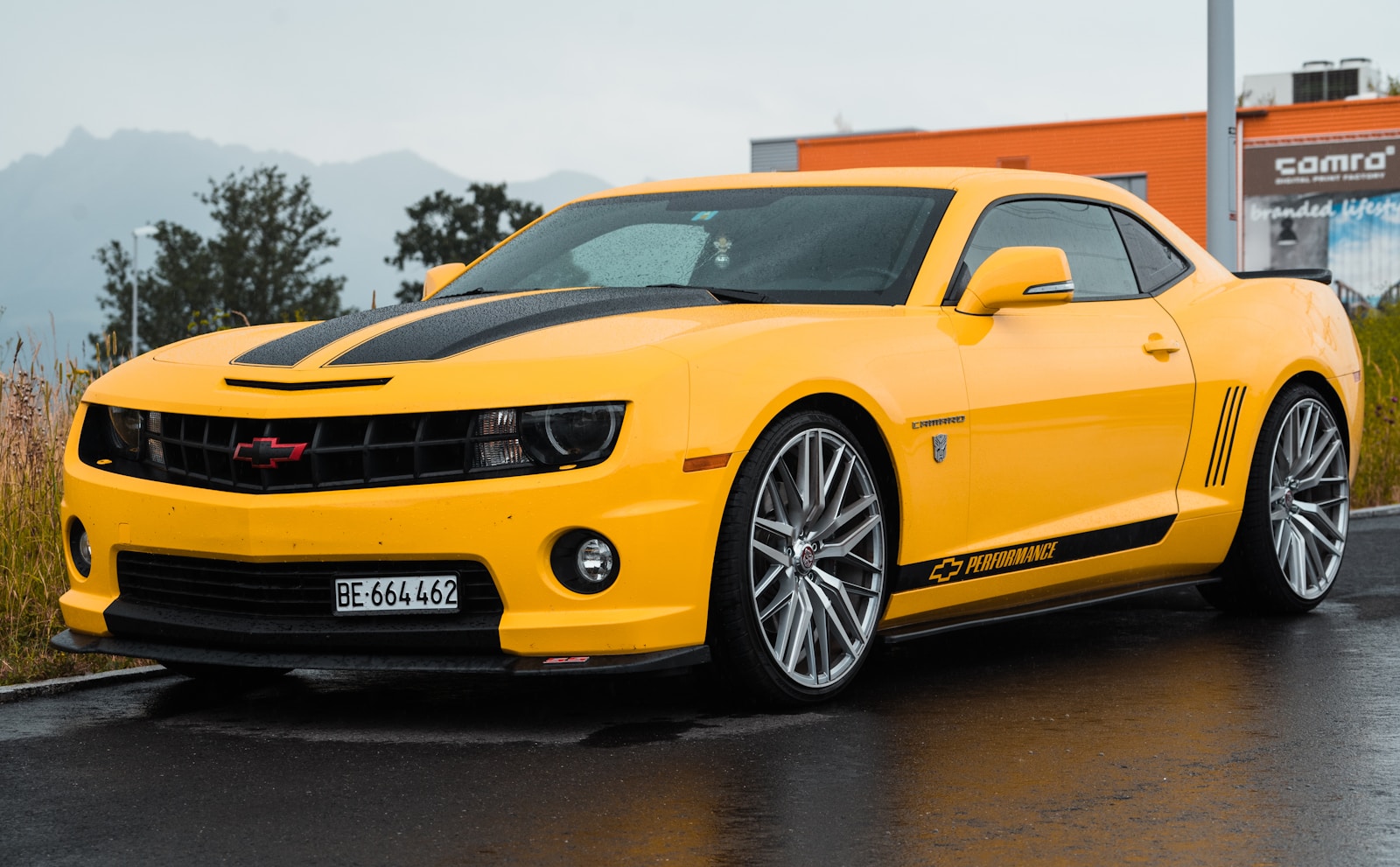

The Camaro’s grave might not be permanent after all, and the vehicle GM is reportedly building to bring it back looks nothing like the car that left. According to Automotive News’ reporting, syndicated via Car and Driver, and citing a source at one of GM’s major suppliers, the next Camaro is being planned as a four-door sedan built on a shared architecture with an upcoming Buick model, a combination that would have sounded like a joke five years ago. GM has confirmed nothing publicly. This traces back to internal product planning that has reportedly circulated among dealers and suppliers rather than an official reveal, and it should be read that way, but the details being described are specific enough that they’re worth taking seriously.
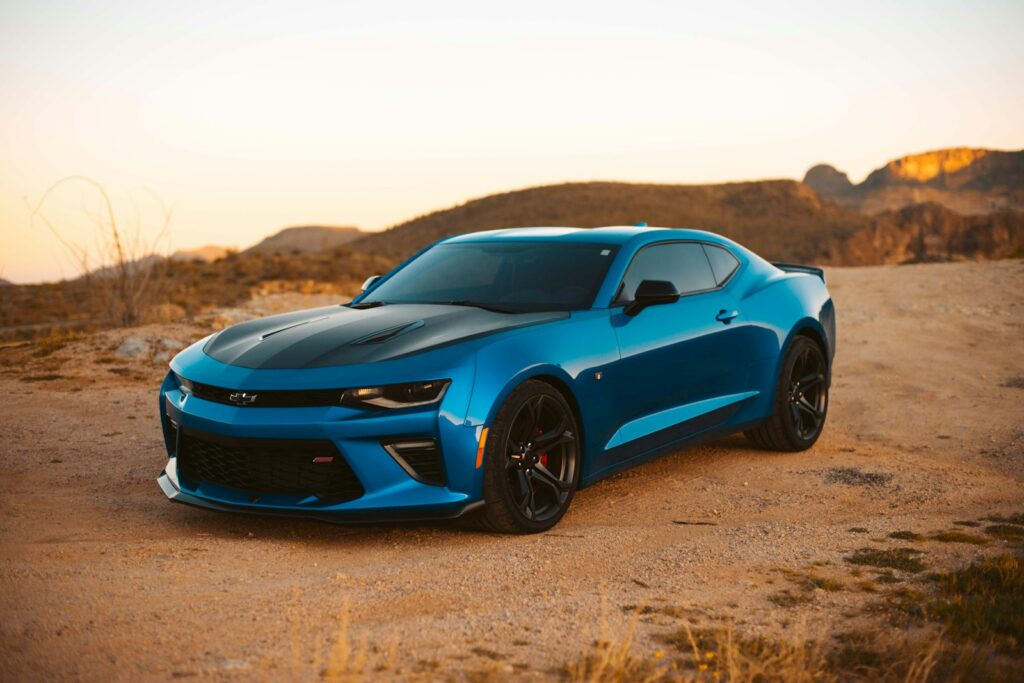
1. The Platform Is the Real Story
The reporting says the next Camaro will share an updated version of GM’s Alpha architecture with a next-generation Cadillac CT5 and an all-new Buick sedan, all three reportedly built at the Lansing Grand River Assembly plant in Michigan, per Kelley Blue Book’s independent coverage of the same Automotive News report. Combined annual production across the trio is targeted at somewhere between 60,000 and 75,000 units, according to the original reporting, a scale that only makes financial sense for GM if the platform is shared rather than dedicated to one low-volume nameplate the way the outgoing Camaro coupe was.
2. Buick Hasn’t Had a Sedan Like This Since 2020
If accurate, this would mark Buick’s first non-SUV model sold in the U.S. since the Regal was discontinued in 2020. Buick has spent the last several years as an SUV-only brand stateside, so a rear-wheel-drive sedan sharing bones with a revived muscle-car nameplate would be a genuine strategic pivot, not a badge-engineering footnote. It also puts a very un-Buick-like performance halo back in that showroom for the first time in years.
3. Internal Combustion, Not Electric
All three vehicles on this shared platform are expected to run on internal combustion engines rather than battery power, with V-8 options reportedly under consideration for higher-performance trims. That’s notable given how much of GM’s public roadmap over the past few years has leaned toward electrification. A gas-powered, V-8-optional muscle sedan platform in 2027 or later would be a deliberate bet that performance buyers still want an engine note, not a battery pack, under the hood.
4. A Four-Door Body on a Two-Door Legacy
The Camaro nameplate has worn a coupe body, with occasional convertible variants, for its entire production history dating back to 1966. A four-door sedan would be a bigger departure from Camaro tradition than almost any styling change GM has made to the car before. It would also put the reborn nameplate on a collision course with the Dodge Charger, which made the same two-door-to-four-door jump for its current generation, and with whatever four-door pony car Ford is separately said to be showing its own dealers this year.
5. Timeline Points to Late-Decade Production
Multiple reports place a production start at Lansing Grand River around fall 2027, which would put the car in dealer lots as a 2028 or 2029 model. That’s still roughly two years out from today, plenty of time for GM’s plans to shift, get delayed, or get killed outright before a single sheet-metal panel is stamped. Automakers routinely show dealers early-stage design work that never reaches production in its shown form, and a sketch at a dealer meeting is several steps removed from a signed-off production program.
What GM Has and Hasn’t Said
GM has not issued any official statement confirming a four-door Camaro, a Buick platform-mate, or a Lansing Grand River production date. When Car and Driver sought comment for its report, Chevrolet had not responded by publication and a Buick spokesperson declined to provide a statement. That silence isn’t a denial, but it isn’t confirmation either, and until GM says something on the record, everything about this car’s shape, platform, and launch date remains sourced to people familiar with the program rather than to the automaker itself.
What makes this leak land differently than the usual spy-shot rumor cycle is the specificity: a named assembly plant, a production-volume target, and a platform-sharing plan across three brands aren’t the kind of details that typically show up in a wishful-thinking rumor. Whether GM actually builds the car this way, or whether “Camaro” survives as a name attached to a body style its own history has never included, is still an open question enthusiasts will be arguing about for the next two years.