
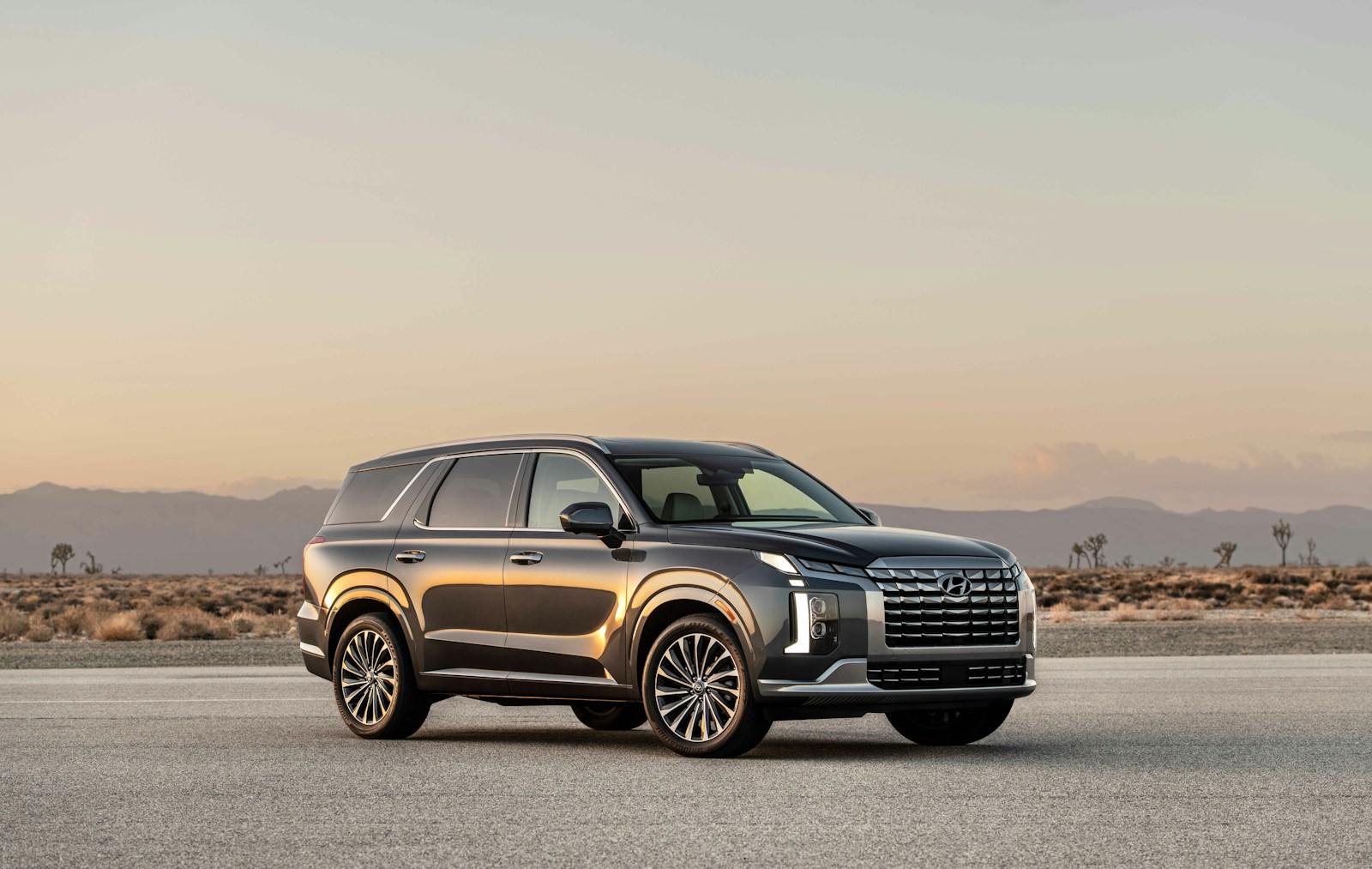

AAA puts the real cost of owning and driving a new car in 2025 at $11,577 a year — $964.78 a month — according to the organization’s own “Your Driving Costs” annual report. Most drivers never see that number. What they see is a monthly loan payment, and NerdWallet’s breakdown of the same AAA data shows the average new-car payment running somewhere between $537 and $767 a month. The gap between what people budget for and what car ownership actually costs is several hundred dollars a month, every month, for as long as they own the car.

What’s Actually in the $964-a-Month Number
AAA has published Your Driving Costs annually since 1950, and the methodology hasn’t gotten any gentler on drivers’ wallets. The latest edition analyzed 45 models across nine vehicle categories — small and medium sedans, compact through midsize SUVs, half-ton pickups, and hybrid and electric vehicles — driven 15,000 miles a year over a five-year, 75,000-mile ownership window. The total actually fell $719 from the prior year’s report, mostly on cheaper gas and softer depreciation, but it’s still a number most household budgets don’t have a line item for:
- Depreciation — $4,334 a year, the single largest cost and one most owners never budget for separately from the loan payment
- Finance charges — $1,131 a year on top of the vehicle’s base price
- Fuel — averaging 13.00 cents per mile, based on $3.151-a-gallon gas
- Insurance, maintenance, repairs, tires, and licensing/registration fees — the remaining chunk that, per NerdWallet’s parsing of the same figures, includes roughly $1,694 a year in insurance alone
The Vehicle You Pick Changes the Math by Thousands
AAA’s category breakdown makes the point sharper than the headline number does. A small sedan runs about 55.87 cents per mile to own and operate — 43.3% cheaper than the average half-ton pickup truck, which AAA calculates costs roughly $6,402 more per year to keep on the road. That’s not a rounding error. It’s the difference between two car payments’ worth of spending, every single year, based purely on which body style sits in the driveway. Electric vehicle owners saw their own cost pressure shift in the other direction this year: electricity prices rose from 15.9 cents to 16.7 cents per kWh even as gasoline got cheaper, narrowing — though not eliminating — the fuel-cost gap between EVs and gas-powered cars that AAA has tracked for years.
Why the Monthly Payment Feels Like the Whole Story
The disconnect isn’t hard to explain. A car payment shows up on a fixed schedule and a fixed amount — it’s the number a buyer negotiates at the dealership and the one a budgeting app tracks automatically. Depreciation doesn’t send a bill. Neither does the portion of a car’s value that quietly evaporates the moment it’s driven off the lot, or the maintenance bill that only arrives every few months instead of every thirty days. AAA’s own annual reports have tracked this exact disconnect for years, consistently framing total ownership cost as the number households actually need to budget against — not the financed monthly payment alone — even in years, like this one, where the topline figure ticks down instead of up.
Even a Rare Decline Doesn’t Undo the Long-Term Climb
That $719 year-over-year drop sounds like relief, but it only came off a 2024 baseline of roughly $12,296 a year by AAA’s own arithmetic — meaning even the “cheaper” 2025 figure still means paying out more than $11,500 just to keep one car on the road for a year. A single down year on softer gas prices and slower depreciation is welcome, but it doesn’t erase five years of compounding costs for anyone already three years into a six-year loan. Anyone financing a new vehicle right now is locking in payments based on today’s number, with no guarantee next year’s AAA report shows another decline instead of resuming the climb.
A Six-Figure Decision Treated Like a Four-Figure One
Financing a $45,000 vehicle over six years is, in total cost of ownership, closer to a $57,000-plus commitment once depreciation, interest, insurance, fuel, and maintenance are added back in — and that’s before a single unexpected repair. AAA’s report exists specifically because that full number rarely enters the conversation until the checkbook forces it to. For a household budgeting off the loan payment alone, the other $300 to $400 a month isn’t a rounding error against a $965 true monthly cost — it’s the difference between a car that fits comfortably into a budget and one that quietly strains it for the next five years.