
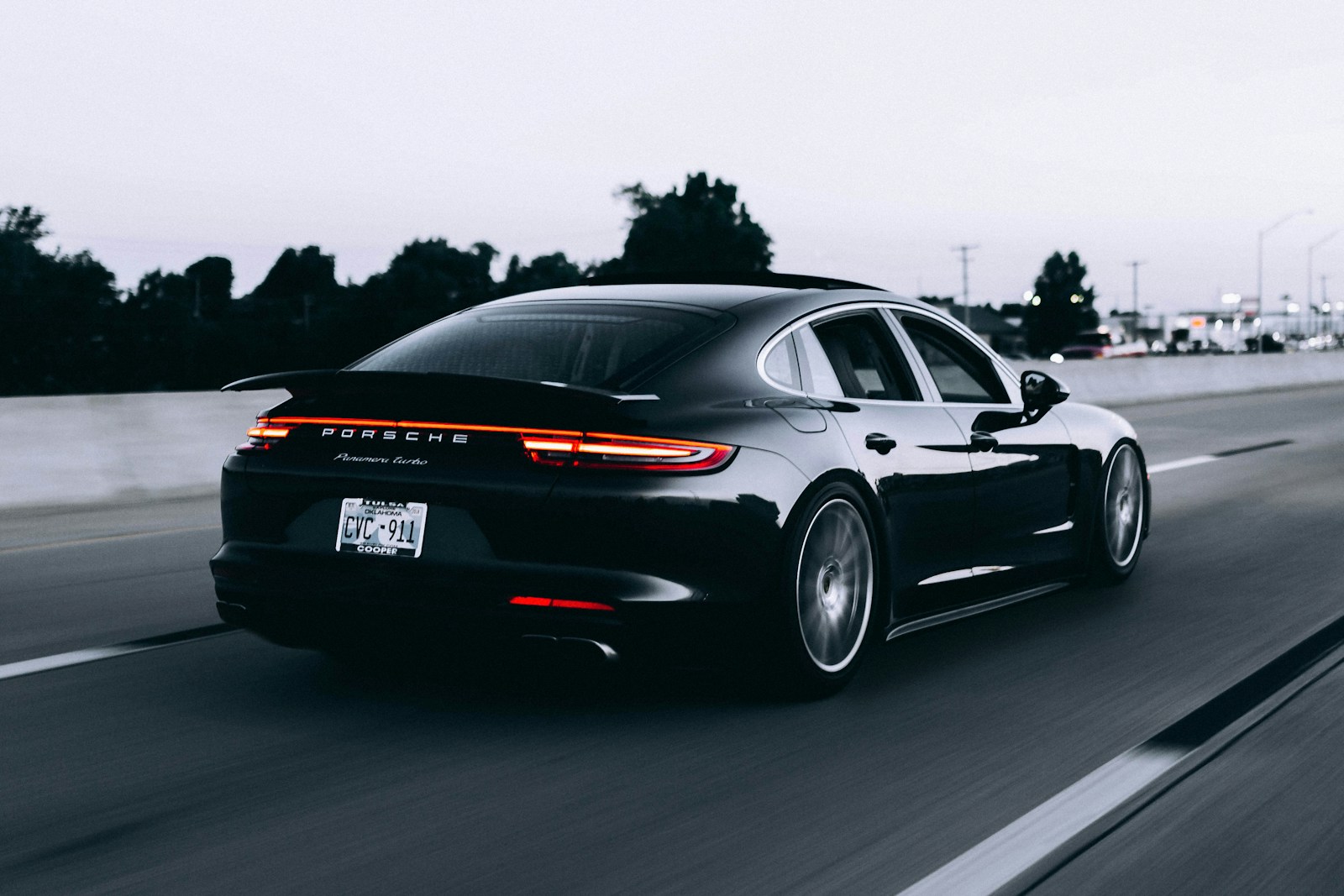

Porsche has widened its all-electric Cayenne lineup with two new arrivals — the Cayenne S Electric and the Cayenne Coupe Electric — and at the top of the new Coupe range sits a Turbo variant making 1,139 horsepower and 1,106 lb-ft of torque, deep into territory that used to belong exclusively to hypercars, not three-row-adjacent SUVs.
Key Points
- Cayenne S Electric: 536 hp normally, up to 657 hp with Launch Control, 0-60 mph in 3.6 seconds, 155 mph top speed, starting at $126,300.
- Cayenne Coupe Electric lineup spans three tiers: base (435 hp, 0-60 in 4.5 sec, from $113,800), S (657 hp, 0-60 in 3.6 sec, from $131,200), and Turbo (1,139 hp, 0-60 in 2.4 seconds, from $168,000).
- Both models share a 113 kWh battery that recharges from 10% to 80% in under 16 minutes on a compatible fast charger.
- The Coupe’s “flyline” roofline, borrowed visually from the 911, drops the roof 24mm versus the standard Cayenne SUV body and produces a 0.23 drag coefficient.
- Deliveries for both begin in late summer 2026, according to Porsche’s official announcements.
The Turbo Coupe Electric’s output puts it in the same neighborhood as the Cayenne Turbo Electric that debuted on the standard SUV body in late 2025 — a vehicle that CleanTechnica reported as the most powerful production Porsche the company has ever built, edging out even the track-only 919 Hybrid and current 911 GT2 RS. With the Coupe Electric now wearing essentially the same drivetrain in a lower, more aggressive body, Porsche has effectively doubled down on the claim: its electric SUV platform, not its sports car lineup, currently holds the company’s outright power record.
The Cayenne S Electric slots in as the volume play — a mid-tier trim aimed at buyers who want most of the performance without the Turbo’s price tag or its six-figure-plus premium over the base car. The Cayenne remains Porsche’s best-selling nameplate globally, which makes this expansion less a halo-car exercise and more a bet that the bulk of Porsche’s SUV buyers are ready to go electric, provided the numbers on the spec sheet keep climbing rather than shrinking.
Both cars use Porsche’s 800-volt architecture, the same underpinning found in the Taycan and the electric Macan, which is what makes the sub-16-minute fast-charge figure possible despite the much larger battery pack. For a segment where “electric SUV” has often meant range anxiety and compromised performance, Porsche’s answer here is blunt: build something with 1,139 horsepower and let the charging numbers catch up.