

The Insurance Institute for Highway Safety now puts a dummy the size of a small woman or a 12-year-old child in the back seat, directly behind the driver, every time it runs its moderate overlap front crash test — and the results have exposed a gap that overall safety ratings had been quietly hiding for years. A three-row family SUV can still earn a strong overall crash rating while leaving whoever’s strapped into the second row meaningfully worse protected than the driver up front. The Toyota Highlander, one of the best-selling three-row SUVs in America, is a case study in exactly that gap.
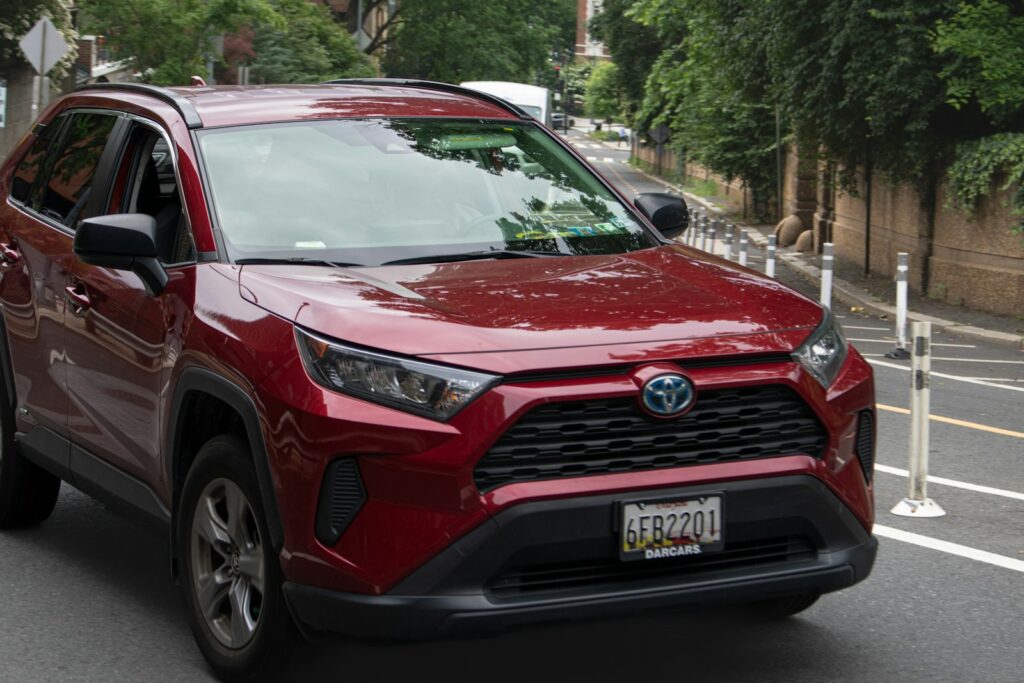
1. Toyota Highlander — Marginal
The 2026 Highlander earns Good ratings in IIHS’s small overlap front and side-impact tests, the kind of scores that would normally put a vehicle on a shopper’s shortlist without a second thought. But in the updated moderate overlap test, its rear-seat performance drags the overall rating down to Marginal, according to IIHS’s own ratings page for the model. The rear dummy’s head and neck injury measures came back Acceptable, and chest and thigh protection scored Good — but the seat belt itself is the problem. IIHS’s testers found the rear belt shifted onto the dummy’s abdomen during the crash, the kind of restraint failure that raises the risk of internal injury even when the rest of the body is well protected.
2. Subaru Ascent — Good
The Ascent is the rare three-row SUV that actually clears the bar IIHS set with this update, earning an overall Good rating in the moderate overlap test alongside Good scores in every other crashworthiness category, per IIHS’s rating for the 2026 model. Subaru redesigned the rear seat belts starting with the 2026 model year specifically to improve rear-occupant protection in this test, and the data shows it worked: head, neck, and thigh measures all came back Good, with only rear chest protection landing at Acceptable — the single soft spot in an otherwise clean sweep.
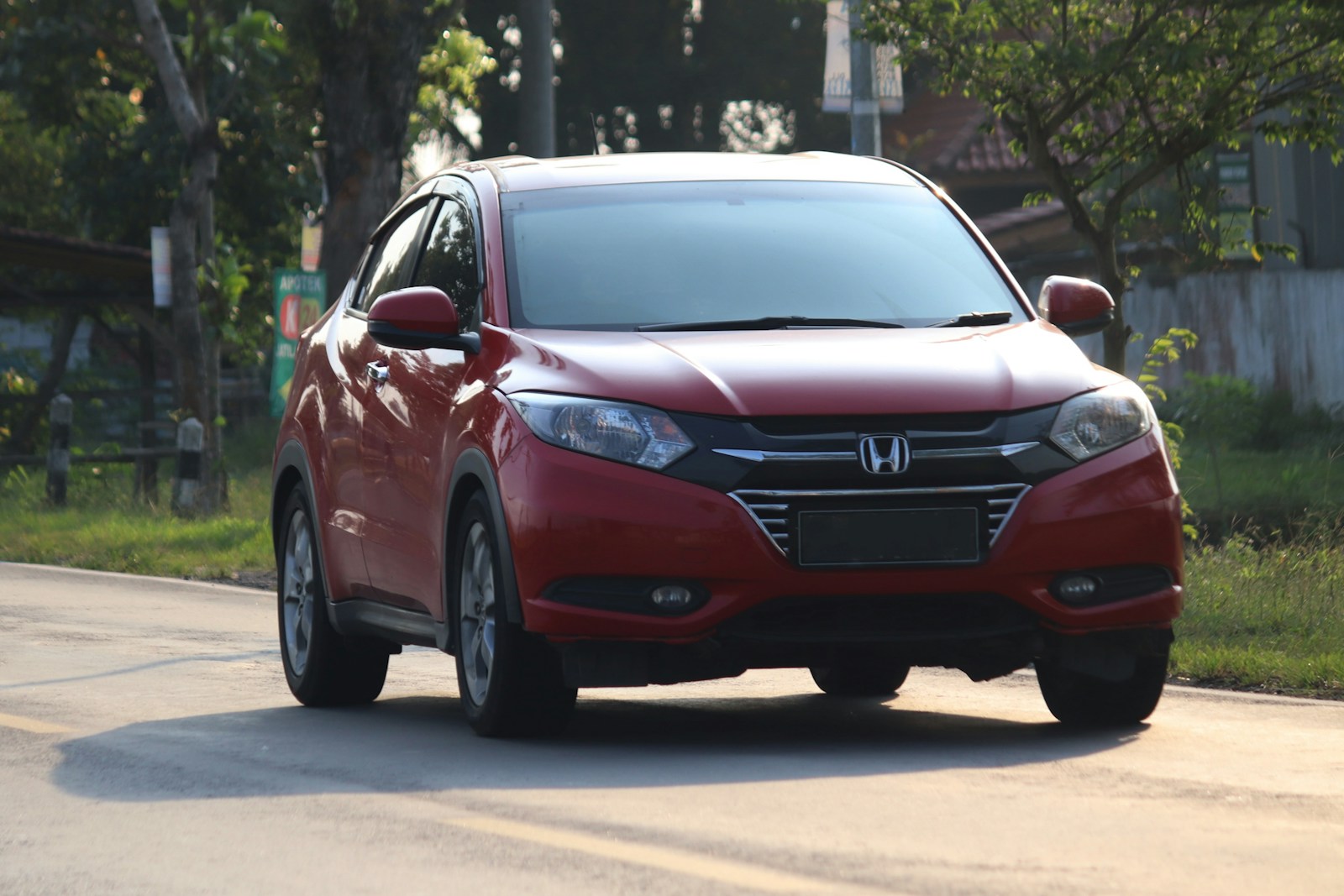
3. Honda Pilot — Acceptable
The Pilot sits in the middle of the pack, not the top. IIHS’s 2026 ratings show the Pilot earning an overall Acceptable score in the moderate overlap test — better than the Highlander, but a tier below the Ascent. Honda updated the Pilot’s second-row seat belts beginning with the 2025 model year, and the rear dummy’s head, neck, chest, and thigh measurements all scored Good as a result. What holds the Pilot back is a Marginal rating specifically for “rear passenger restraints and dummy kinematics” — IIHS’s shorthand for how well the belt system itself controlled the dummy’s movement during the crash, independent of the injury numbers those movements produced.
Why the Gap Exists
The Highlander isn’t an outlier. When IIHS first rolled the rear-passenger dummy into its moderate overlap test, only four of the roughly dozen midsize SUVs evaluated — the Ford Explorer, Ford Mustang Mach-E, Subaru Ascent, and Tesla Model Y — managed to earn a Good rating, according to IIHS’s own summary of that round of testing. Everything else landed somewhere between Acceptable and Poor, which is what makes headlines about “most” three-row SUVs falling short an accurate read of the data rather than an exaggeration. IIHS has said plainly that rear passenger protection is now the main thing differentiating vehicles in this test, now that front-seat protection has largely been solved across the industry. Automakers spent two decades refining airbags, seat belt pretensioners, and structural crumple zones around the driver and front passenger — the seats where regulators and safety raters historically focused their attention — while the back seat, particularly the outboard position behind the driver, got comparatively little engineering investment. The result is a fleet of vehicles that can protect a 40-year-old driver extremely well while doing a noticeably more mixed job with the child or smaller adult riding behind them.
That distinction matters more for three-row SUVs than almost any other vehicle category, because these are, by definition, the vehicles families buy specifically to carry kids. A parent cross-shopping a Highlander against an Ascent based on headline crash-test scores alone could easily miss that the two vehicles now diverge sharply on exactly the measure that matters most for whoever’s riding in row two. Automakers are responding — Subaru’s seat belt redesign and Honda’s second-row update are both direct reactions to this test — but the fact that a 2026 Highlander still lands at Marginal shows the industry-wide fix isn’t finished. For families shopping this segment, the overall star rating on the window sticker is no longer enough on its own; the rear-passenger breakdown is the number worth reading before you sign anything.