
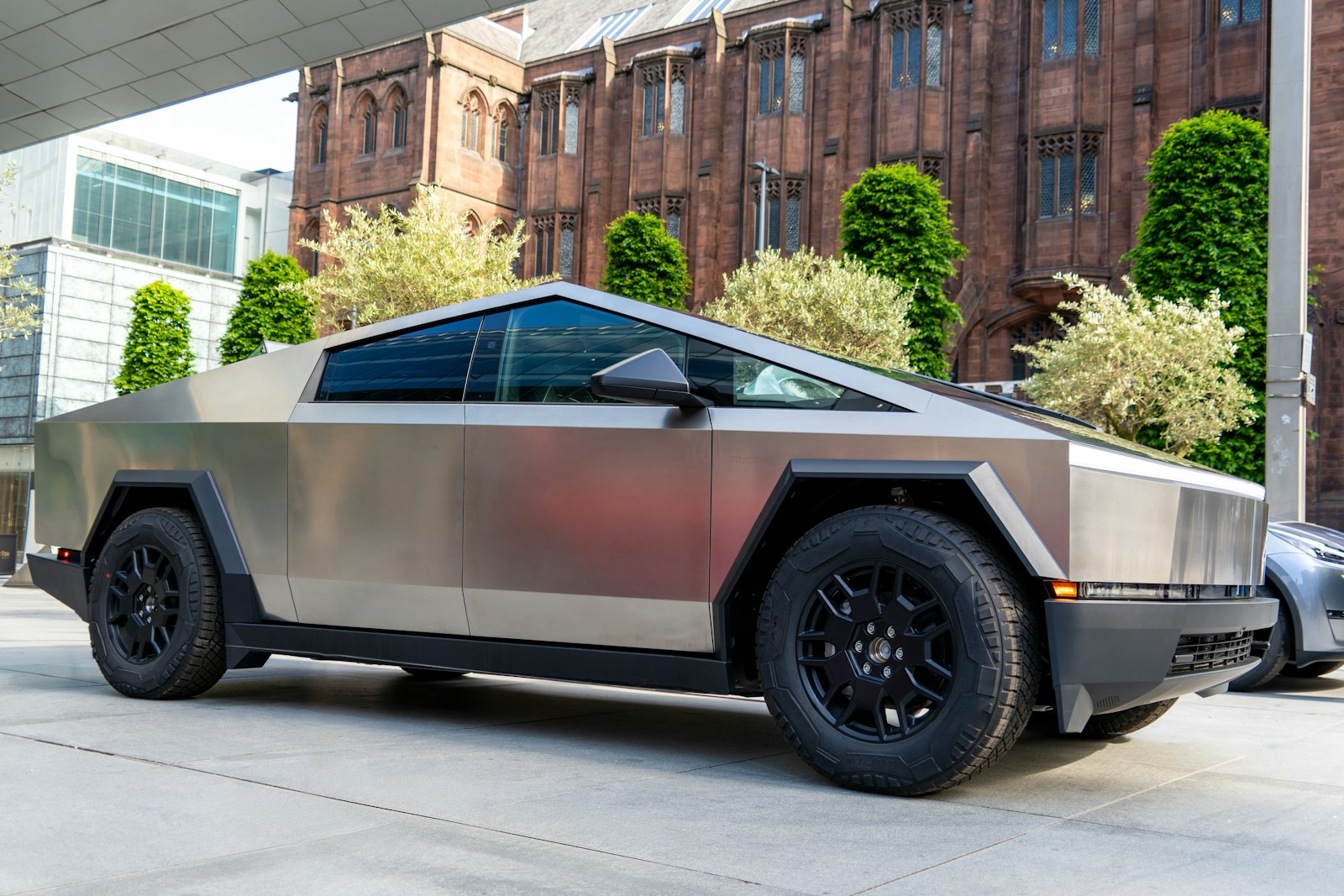

Tesla’s Cybertruck hit the road in late November 2023. By roughly the 15-month mark, NHTSA’s recall database already showed eight separate recall campaigns against it — and the tally hasn’t slowed down since. As of this writing, NHTSA’s records list 11 total recall campaigns for the Cybertruck in under three years on the market, a pace that dwarfs what most vehicles rack up across an entire multi-year production run without a full redesign.
Key Points
- NHTSA has logged 11 recall campaigns for the Cybertruck since deliveries began, covering everything from software to structural trim to braking hardware.
- One campaign, opened in October 2025, covers more than 63,600 model-year 2024-2026 trucks whose front parking lights exceeded federal brightness limits, according to Cars.com’s reporting on the campaign.
- A separate March 2025 recall affected more than 46,000 trucks over an exterior light bar that could delaminate and detach, becoming a road hazard.
- The most recent campaign, opened in April 2026, covers steel-wheel Cybertrucks whose brake rotor studs can crack and allow a wheel to separate from the hub, per NHTSA’s recall filing.
What’s Affected
- Recalls span model years 2024 through 2026 and cover nearly the entire Cybertruck production run to date, since the truck has only been in production since late 2023.
- Defects range from a mislabeled instrument panel font (the very first campaign, January 2024) to an accelerator pedal pad that could dislodge and get trapped under interior trim, a windshield wiper motor controller that could fail under excessive current, a drive inverter fault capable of cutting power to the wheels, and the more recent lighting and wheel-hardware issues.
What Owners Should Do
- Cybertruck owners can check their vehicle’s recall status by VIN directly through NHTSA’s recall lookup tool.
- Several of the recent fixes, including the too-bright headlight campaign, have been resolved with free over-the-air software updates rather than a dealer visit — but hardware-related recalls, like the brake rotor stud issue, require a service appointment.
- Tesla has been notifying owners directly by mail and through the Tesla app as each campaign opens.
Eleven recalls in roughly 34 months works out to a new campaign every three months on average, on a single model that hasn’t been meaningfully redesigned since it launched. That’s the context that makes the pace notable: plenty of vehicles accumulate a handful of recalls over a first model year as normal early-production kinks get found and fixed, but few keep generating new campaigns at this rate more than two years after launch, long after the typical early-production shakeout period would have ended.