

The Trump administration has finalized a rule cutting the fleetwide fuel economy target automakers must hit by model year 2031 to 34.5 mpg, down from the roughly 50.4 mpg automakers had spent years designing toward under Biden-era standards, according to the Department of Transportation.
Key Points
- The new CAFE rule sets annual fuel-economy increases of 0.5% through 2026, then slows to as little as 0.25% a year through 2031 for passenger cars, per DOT.
- NHTSA also eliminates CAFE credit trading between automakers starting with model year 2028 and reclassifies many crossovers and small SUVs as passenger automobiles rather than light trucks.
- DOT projects the change saves the industry $109 billion over five years and roughly $1,000 per new vehicle.
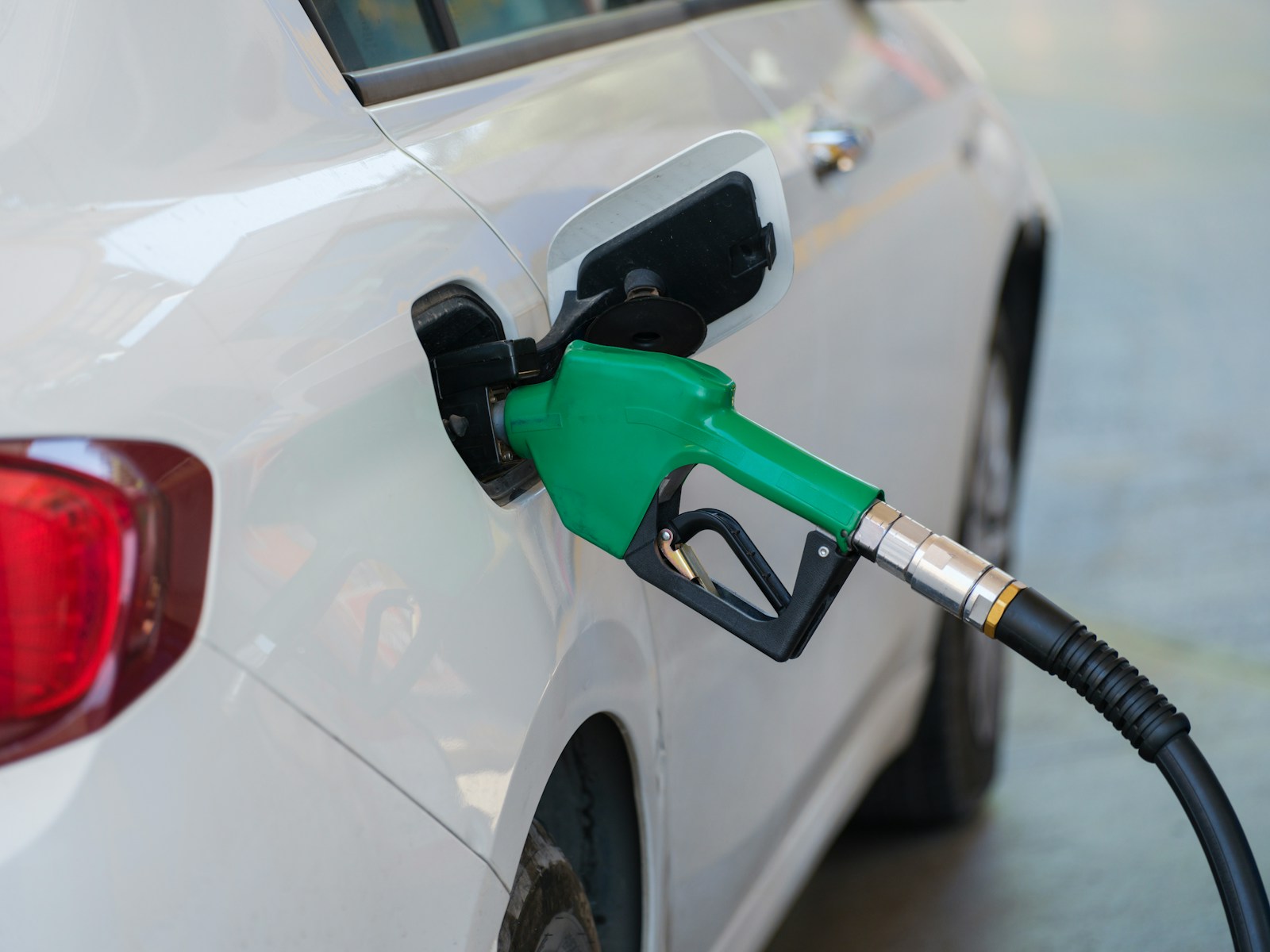
- Separately, the EPA issued a nationwide fuel waiver letting refiners switch to winter-blend gasoline on September 1 instead of the usual September 16, two weeks ahead of schedule.
What’s Confirmed
Transportation Secretary Sean Duffy framed the CAFE rewrite as a cost issue, saying in the department’s own release that “this administration understands the freedom of every American family starts with affordable cars” and that the new targets let automakers build vehicles “at a lower price.” The rule applies to model years 2022 through 2031 and opens a 45-day public comment window once it’s published in the Federal Register, according to DOT’s announcement.
The agency’s own estimates cut both ways. NHTSA projects the loosened standards will prevent more than 1,500 deaths and roughly 250,000 serious injuries through 2050 by keeping older, less expensive vehicles on dealer lots longer and slowing the shift to lighter, more fuel-efficient designs. At the same time, the agency’s analysis shows fuel consumption rising by about 100 billion gallons through 2050, adding an estimated $185 billion in fuel costs and pushing CO2 emissions up roughly 5%.
The winter-gasoline waiver is a separate action but lands the same week. The EPA’s own waiver document cites “extreme and unusual fuel supply circumstances,” pointing to disrupted Middle Eastern oil shipping, U.S. refining capacity that’s fallen by roughly 800,000 barrels a day since 2020, and gasoline inventories running about 6% below their five-year average. EPA Administrator Lee Zeldin said the agency will “continue this work with our federal partners to increase supply and lower gas prices for all Americans,” according to the EPA’s press release. Winter-blend fuel is cheaper to produce because it’s allowed a higher Reid Vapor Pressure than the summer blend required to limit smog.
What Changes for Drivers
Automakers now have more room to keep selling larger, less efficient trucks and SUVs without the compliance penalties the Biden-era targets would have triggered starting in 2027. Combined with earlier access to cheaper winter gasoline, the two moves point toward lower near-term costs at the pump and on the lot — set against NHTSA’s own projection of higher long-run fuel spending and emissions.