
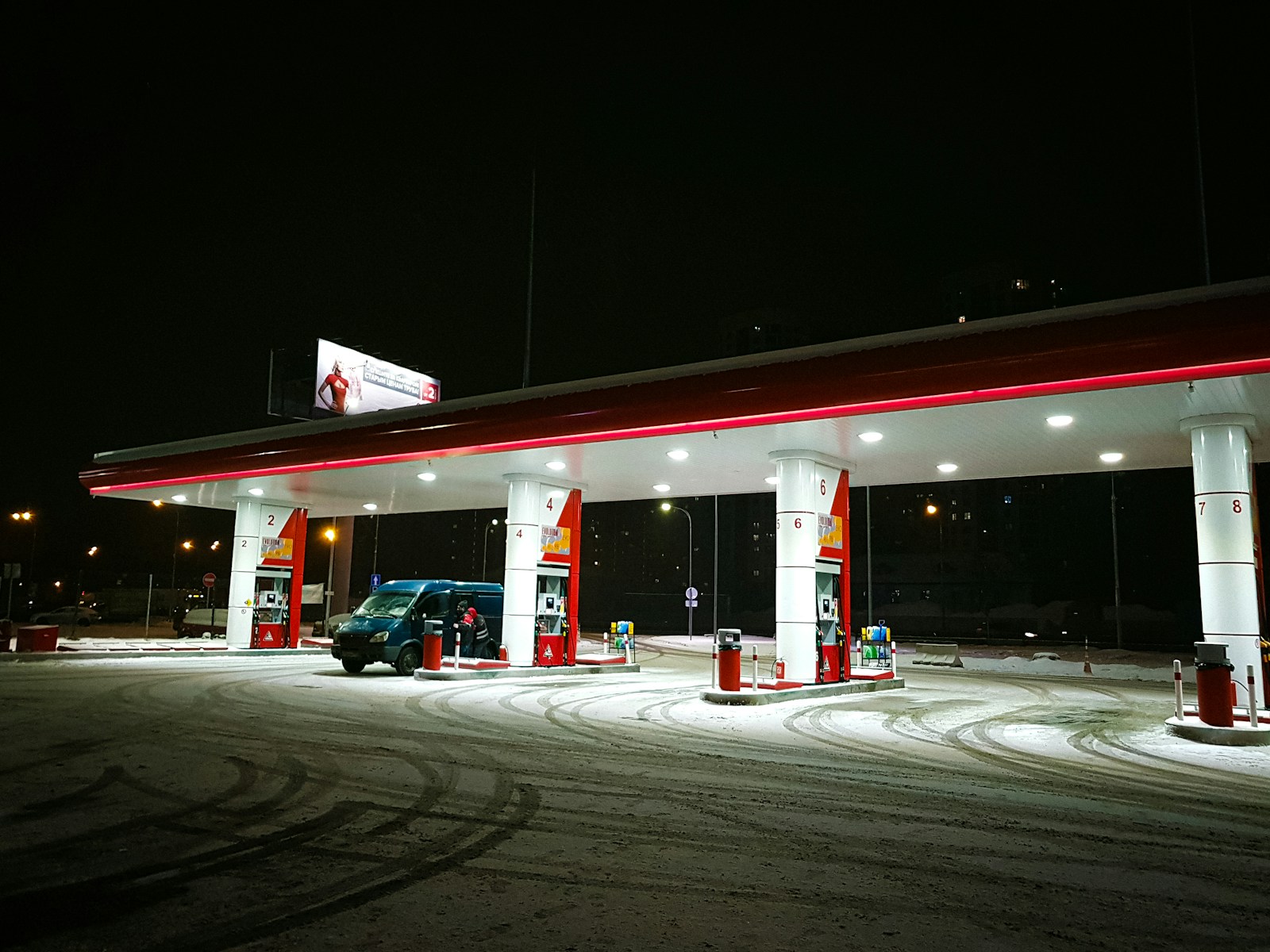

The Environmental Protection Agency is letting gas stations sell cheaper winter-blend gasoline starting September 1 — about two weeks ahead of the normal mid-September switchover — in a bid to bring down pump prices, according to the agency’s own announcement, issued in consultation with the Department of Energy.
Key Points
- EPA waived Reid Vapor Pressure (RVP) restrictions on E10 gasoline nationwide from September 1 through September 15, the normal end of the summer-blend control season, effectively moving up the winter-blend switch by roughly two weeks, per the agency’s release.
- Texas, Arizona and California get an additional 20 days of relief beyond September 15 under the same waiver, according to EPA.
- EPA Administrator Lee Zeldin said the agency has “taken decisive action … to provide relief and fortify our supply chain,” according to the agency’s own statement.
- Energy Secretary Chris Wright said in the same release that “increasing gasoline supply means lower prices,” framing the move as one of several tools being used to cut costs at the pump.
What Winter-Blend Gas Actually Is
- Summer-blend gasoline is formulated with a lower Reid Vapor Pressure, meaning it evaporates less easily — a requirement designed to cut smog-forming emissions during warm months, according to EPA.
- Meeting that lower-volatility standard requires costlier blending components, which is part of why gasoline prices typically rise heading into summer.
- Winter-blend fuel is allowed a higher RVP, letting refiners use cheaper, more widely available components such as butane — which is why the seasonal switch to winter-blend gasoline typically coincides with a drop in prices at the pump, per EPA’s release.
EPA said the waiver is expected to expand domestic gasoline supply by hundreds of thousands of barrels a day, according to the agency’s announcement, by letting refiners and terminals start distributing the less-restricted fuel before the calendar would normally allow it. The agency’s own waiver document, posted alongside the announcement, frames the move as a direct response to elevated prices at the pump this summer.
The early switch comes as national average gasoline prices have remained above $4 a gallon since mid-July, roughly a dollar higher than before a months-long conflict involving Iran disrupted global crude markets earlier this year, according to Yahoo Finance’s coverage of the announcement. EPA doesn’t typically shift the summer-to-winter fuel calendar for price reasons alone, and the agency’s own release frames the step as a deliberate, price-driven exception rather than a routine seasonal update — a point echoed in reporting from the Washington Times.
Context
Whether the earlier switch meaningfully lowers what drivers pay will show up over the coming weeks, but the move gives refiners a two-week head start on selling the fuel that’s traditionally cheaper to make every fall.