
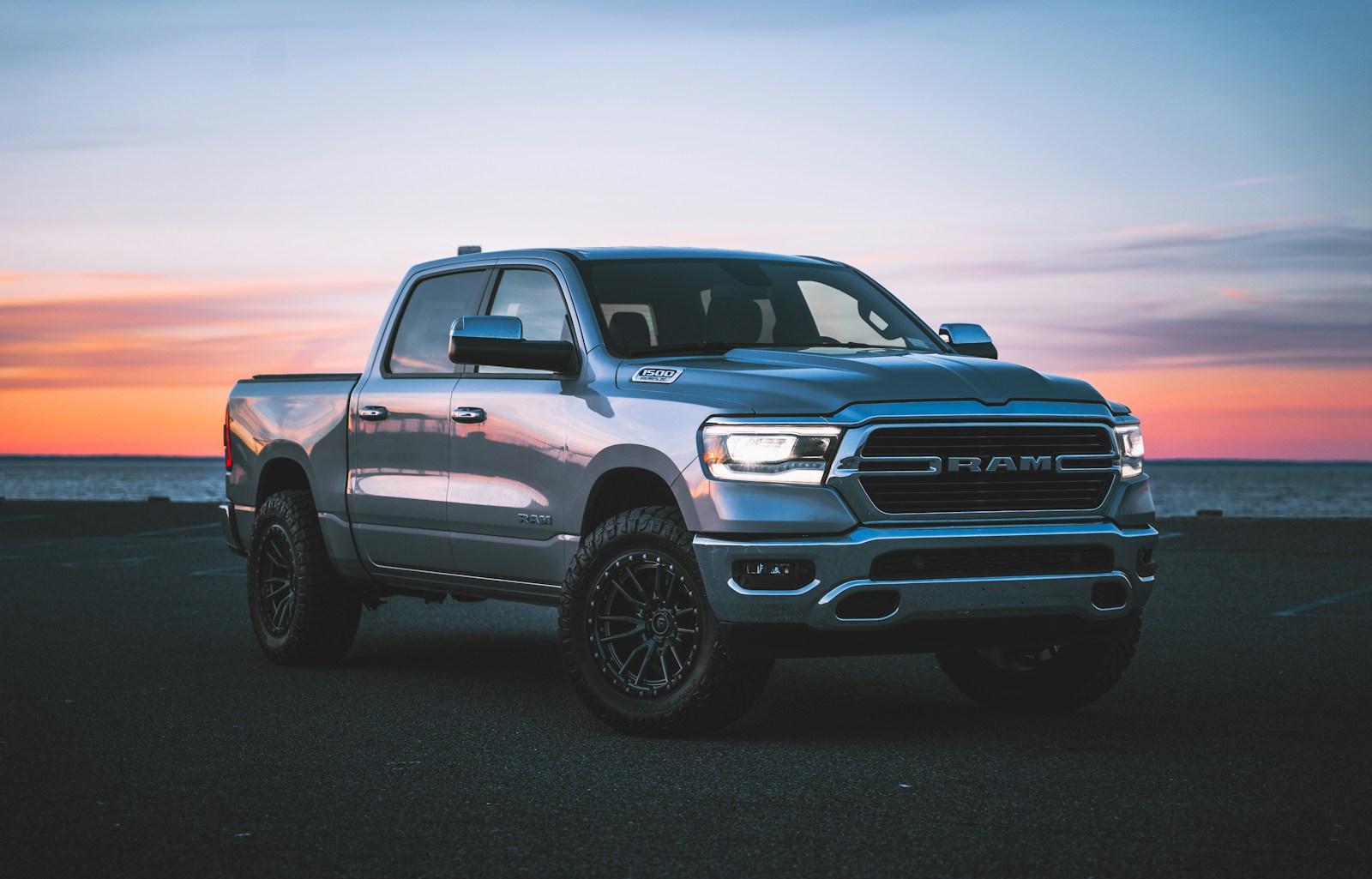

A Ram 1500 pickup starting around $38,000 costs less to insure than plenty of $25,000 sedans on the road today. The Buick Envista tops the cheapest-to-insure list nationally at roughly $1,929 a year — about $161 a month, less than a lot of households spend on streaming subscriptions and a gym membership combined — while several EVs and luxury compacts carrying lower sticker prices than that same pickup run well past $2,500 annually. According to filed premium data compiled by The Zebra and a separate rate breakdown from MoneyGeek, the number on the window sticker has almost no relationship to what an insurer actually charges to cover the car. What predicts the premium is repair cost, crash-test performance, and how often that specific model gets stolen or totaled — three variables that have nothing to do with MSRP.
The Cheapest Cars to Insure Right Now
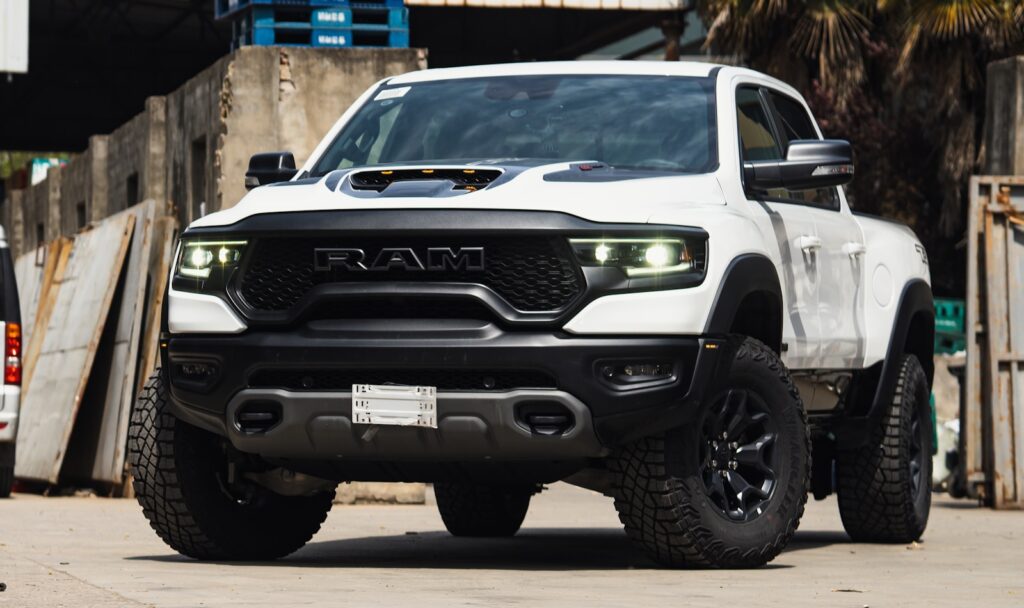
Per The Zebra’s 2026 rate data, the ten least expensive mainstream vehicles to insure nationally are the Buick Envista ($1,929/year), Volkswagen Taos ($1,953), Subaru Outback ($1,962), Subaru Forester ($1,995), Volkswagen Tiguan ($2,003), MINI Convertible and Chevrolet TrailBlazer (tied at $2,010), Subaru Crosstrek ($2,011), MINI Cooper ($2,044), and the Ram 1500 ($2,127). Three Subarus and two Volkswagens make the top eight — both brands built around unremarkable, high-volume crossovers with strong safety scores and cheap, widely available parts.
Category Winners Tell the Same Story
MoneyGeek’s category-by-category breakdown reinforces the pattern rather than contradicting it. Among compact SUVs, the Mazda CX-5 leads at $364 a year, followed by the Subaru Forester at $367. Among sedans, the MINI Cooper runs $374 and the Subaru Impreza $376 — a rate MoneyGeek calculates is 63% below the average sedan premium, despite the Impreza sitting nowhere near the bottom of the sedan price range. Pickup trucks follow the same script: the Honda Ridgeline, not a stripped-down work truck, is the cheapest to insure in its class at $382 a year. Even among sports cars, the pattern holds — the six-figure Audi R8 is the cheapest of the category to insure at $365 a year, edging out the far less expensive Chevrolet Corvette ($373) and Subaru BRZ ($375).
Why Sticker Price Isn’t the Variable That Matters
Insurers set premiums around what a claim actually costs them, and that number is driven by factors sticker price doesn’t capture. Safety ratings come first — per MoneyGeek’s analysis, vehicles carrying an IIHS Top Safety Pick designation consistently post lower premiums, because the claims data shows they generate fewer and less severe injury payouts. Repair cost comes second: a car built on widely shared parts bins, with body panels and sensors that are cheap and easy to source, costs less to fix after a claim than a vehicle requiring specialized or low-volume components, regardless of what either car cost new. Theft exposure comes third, and it cuts against several affordable, high-volume models — the same MoneyGeek data flags the Hyundai Elantra and Nissan Altima as carrying elevated comprehensive premiums specifically because of how frequently they’re stolen, even though both have modest window stickers.
Where the Pattern Breaks Down
Electric vehicles are the clearest exception to “cheap car equals cheap insurance,” and they actually prove the underlying rule rather than break it. MoneyGeek’s EV data shows models from the Tesla Model X down to the Tesla Model S clustering tightly together, all in the $415 to $432 annual range — a narrow band that has nothing to do with the tens of thousands of dollars separating those models’ sticker prices, and everything to do with the fact that EV battery packs and specialized components are expensive to repair or replace regardless of trim level. The same logic explains why a Ram 1500 can out-insure a compact sedan: full-size pickups are built on shared, high-volume platforms with decades of parts availability behind them, which keeps the average claim payout down even though the truck costs more upfront.
The through-line across every one of these rankings is the same: insurers aren’t pricing what you paid for the car. They’re pricing what it costs them when something goes wrong with it — and that number rewards boring, well-built, easily repaired vehicles over flashy ones almost every time. For a shopper cross-referencing a want-list against a budget, that makes the insurance quote worth pulling before the test drive, not after the paperwork is already signed.