
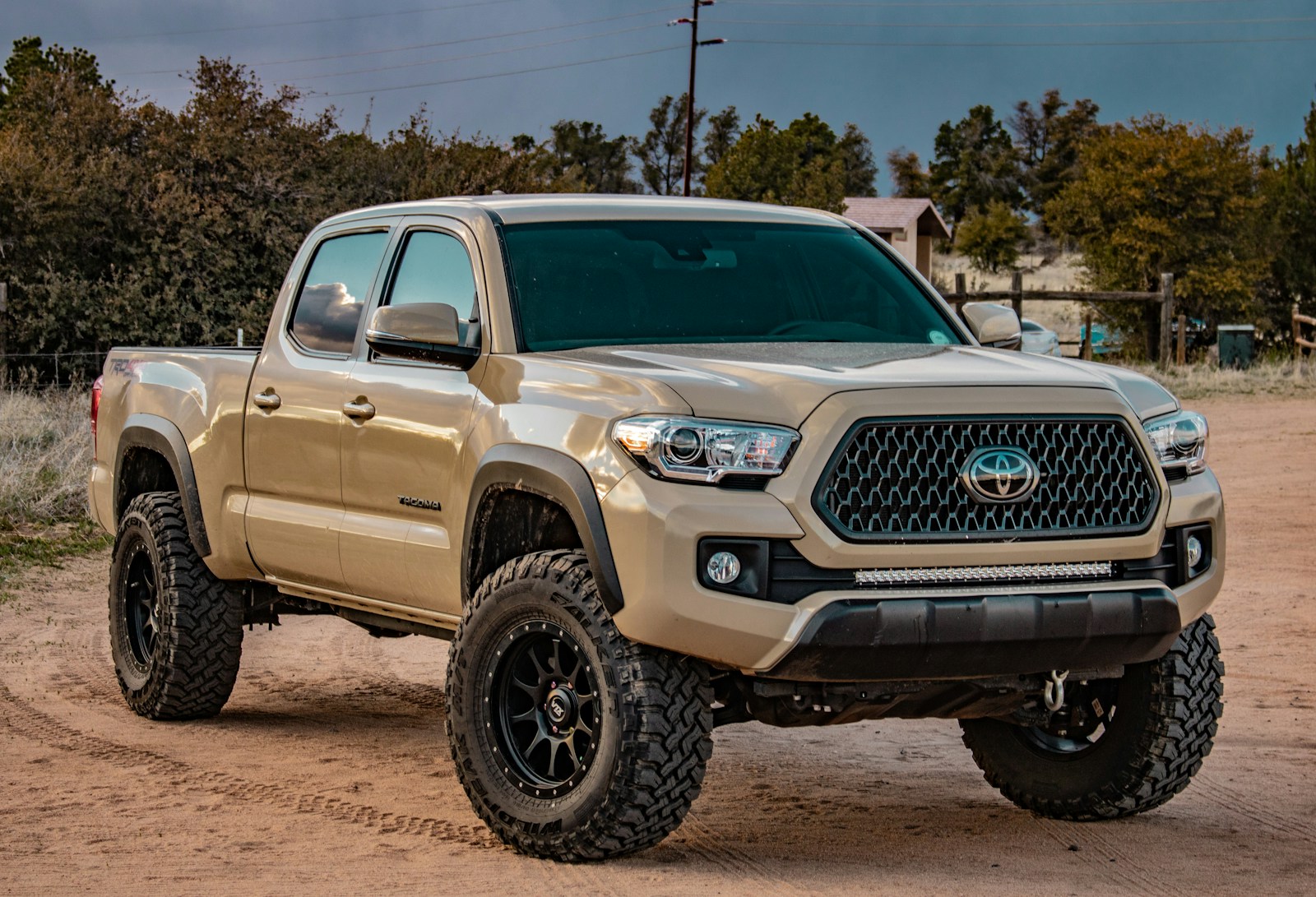

The federal government does not regulate your neighbor’s Chevy Suburban the way it regulates a Honda Civic, and that gap is written directly into the Code of Federal Regulations. Under 49 CFR Part 523, a “light truck” and a “passenger automobile” are legally distinct categories, each with its own fuel-economy math. A vehicle that clears the light-truck bar — often just by adding four-wheel drive or a few extra inches of ground clearance — gets a looser mpg target than a sedan of similar size. Light trucks made up 36% of new-vehicle sales in 2012; by 2021 that share had climbed to 63%, according to reporting that traces the shift to this exact classification split. The rulebook, in other words, has been quietly steering what shows up in driveways for half a century.
How the Line Actually Gets Drawn
The regulation itself is oddly mechanical. Under Part 523, a passenger automobile is any vehicle “manufactured primarily for use in the transportation of not more than 10 individuals” that isn’t capable of off-highway operation. A light truck, by contrast, qualifies if it can carry more than 10 people, has an open cargo bed, offers more cargo volume than passenger volume, has seats that fold away for hauling, or provides “temporary living quarters.” There’s also a separate off-road path: a vehicle qualifies as a light truck if it has four-wheel drive or a gross vehicle weight rating above 6,000 pounds, plus at least four of five specific clearance measurements, including a minimum 28-degree approach angle and 20 centimeters of running clearance. None of that has much to do with what a family actually uses the vehicle for. It has everything to do with which fuel-economy formula applies once the paperwork is filed.
Why the Standards Themselves Reward Size
Since model year 2011, both the passenger-car and light-truck fleets have been governed by “footprint-based” Corporate Average Fuel Economy standards, under which each vehicle’s individual mpg target is set by its footprint (track width multiplied by wheelbase) rather than a single number applied to the whole fleet. A larger footprint earns a more lenient target. Researchers at the University of Michigan modeled how automakers would respond to that math and found the incentive runs one direction: toward bigger vehicles. Their analysis, built on 473 simulated vehicle designs, projected that footprint creep could grow vehicle dimensions by 1 to 16 square feet and erase 1 to 4 mpg of the efficiency gains the standards were designed to produce, with lifetime emissions from the resulting fleet equivalent to three to ten coal-fired power plants. Lead researcher Kate Whitefoot’s conclusion was blunt: the formula itself would need to change to remove the incentive.
A Widening Gap at the Top
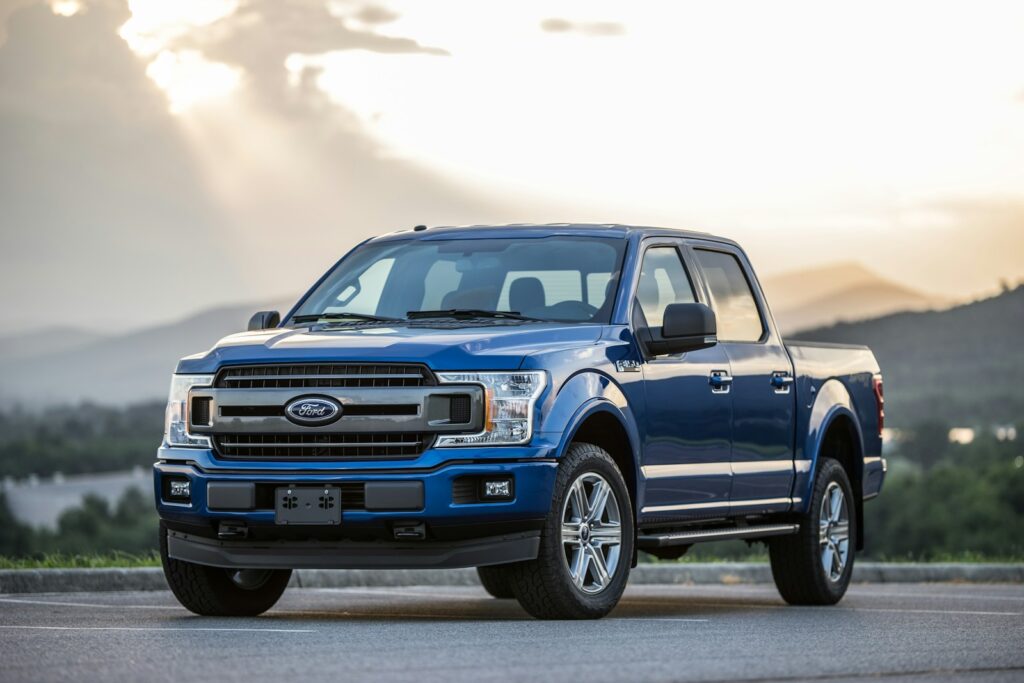
The spread between categories keeps growing as NHTSA and EPA finalize new rules. Under the Corporate Average Fuel Economy standards for model years 2027 and beyond, heavy-duty pickups and vans face their own separate, looser track from the light-truck category, which is itself already looser than passenger cars. One widely cited comparison: a Ford Super Duty pickup can be permitted to emit more than three times the carbon dioxide of a light-duty pickup like the F-150, itself already a “light truck” for regulatory purposes, and roughly four times what’s allowed from a passenger car, according to the same analysis of the finalized rule. That’s not an accident of engineering. It’s the direct output of a classification system that treats bulk as a reason to ask less of a vehicle, not more.
The Business Case Lines Up With the Loophole
None of this would matter much if larger vehicles weren’t also the ones automakers most want to sell. Trucks and SUVs carry higher margins than sedans, and the same regulatory categories that relax fuel-economy math also happen to describe the vehicles dealers make the most money moving. Detroit’s Big Three have largely abandoned traditional passenger cars in their U.S. lineups over the past decade, a shift that tracks almost exactly with the light-truck share of the market climbing past 60%. The government’s own rulemaking record, published in the Federal Register alongside NHTSA’s CAFE program overview, is the clearest evidence that this isn’t speculation. It’s the documented structure regulators are still trying to fix standard by standard, year by year.
Put the pieces together and a pattern emerges that has nothing to do with what drivers say they want and everything to do with what the rulebook makes profitable: every regulatory line drawn to distinguish a “truck” from a “car” has become, in practice, a line drawn toward bigger vehicles on both sides of it.