
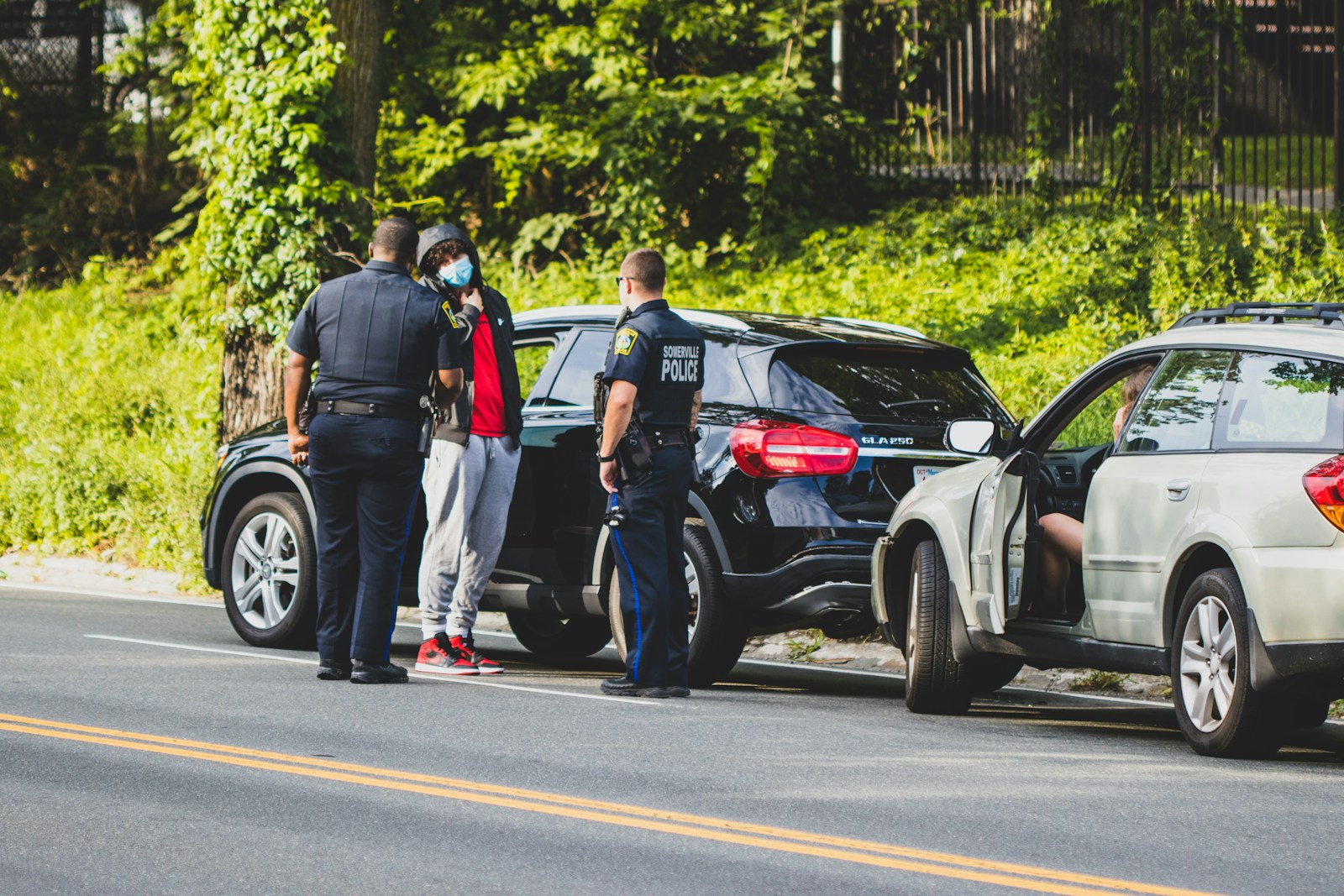

An officer asking “mind if I take a look inside?” during a traffic stop is a request, not an order, and you are allowed to say no. The Fourth Amendment requires probable cause, a warrant, or your consent before police can search your vehicle, a standard built out of decades of real Supreme Court rulings rather than internet folklore. Refusing consent is not obstruction and cannot legally be used as proof of guilt. What most drivers don’t know is that this right is narrower than it sounds — officers still have several lawful paths around a “no,” and understanding both halves of that equation is what actually protects you.
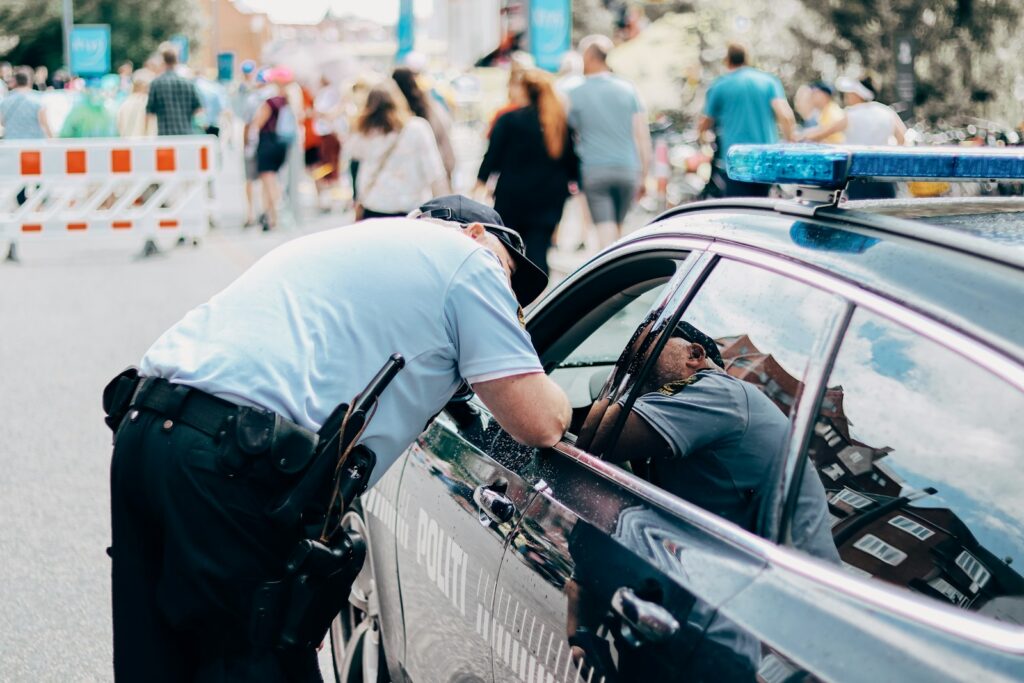
Consent searches exist because most people don’t know they can refuse.
A huge share of vehicle searches happen not because police had probable cause, but because the driver simply said “sure, go ahead” when asked. Legal scholarship on what’s called the “consent search” describes it as one of the most litigated exceptions to the warrant requirement precisely because so few people realize refusal is an option. Know-your-rights material from the ACLU of North Carolina puts it plainly: “If an officer asks to look inside your car, you can refuse to consent to the search.”
Terry v. Ohio set the baseline for what a stop can and can’t become.
The 1968 Supreme Court case Terry v. Ohio is the foundation of modern stop-and-frisk law. It allows an officer to briefly detain someone and pat down outer clothing for weapons when there’s reasonable suspicion of danger — but that’s a narrow safety check, not a general search of the vehicle’s interior, trunk, or contents. Reasonable suspicion justifying a brief stop is a lower bar than the probable cause required to search a car, and conflating the two is one of the most common misunderstandings drivers have about their own encounters.
Probable cause doesn’t require your permission, and it doesn’t require much.
Refusing consent does not end the conversation. If an officer develops probable cause during the stop — the smell of marijuana or alcohol, visible contraband, admissions you made before declining further questions — the vehicle can be searched without your agreement. The North Carolina ACLU guide notes bluntly that “if police believe your car contains evidence of a crime, your car can be searched without your consent.” This is why what you say in the first thirty seconds of a stop often matters more than whether you eventually refuse a search request.
Plain view and K9 alerts are two separate doors around a refusal.
Anything an officer can see in plain sight from a lawful vantage point — an open container on the seat, a weapon on the floorboard — can be seized and can support a broader search, no consent required. Separately, a trained drug-detection dog alerting on a vehicle has been treated by courts as its own form of probable cause, meaning a K9 sniff around the exterior of a stopped car generally doesn’t require consent either, since it isn’t considered a search of the interior. Both exceptions exist specifically because the Fourth Amendment protects against unreasonable searches, not all searches — and courts have spent decades defining “reasonable” case by case.
Refusal has to be clear, and it changes nothing about how you act otherwise.
A simple, unambiguous statement — “I do not consent to a search” — is enough; you don’t need legal language beyond that, and you don’t need to explain why. It doesn’t require raising your voice or arguing about the law with the officer on the roadside, which is the wrong venue for that debate regardless of who’s right. The right to refuse and the expectation of respectful, calm behavior are not in tension with each other; both come directly from how the ACLU and other rights organizations frame this information, and both are meant to keep an already tense moment from escalating unnecessarily.
This is general legal information, not legal advice for a specific stop — the exceptions to the warrant requirement are fact-specific, and how they apply can shift based on your state and the details of the encounter. But the core structure is consistent everywhere: consent is yours to withhold, and probable cause is the officer’s to establish, and neither one erases the other.